



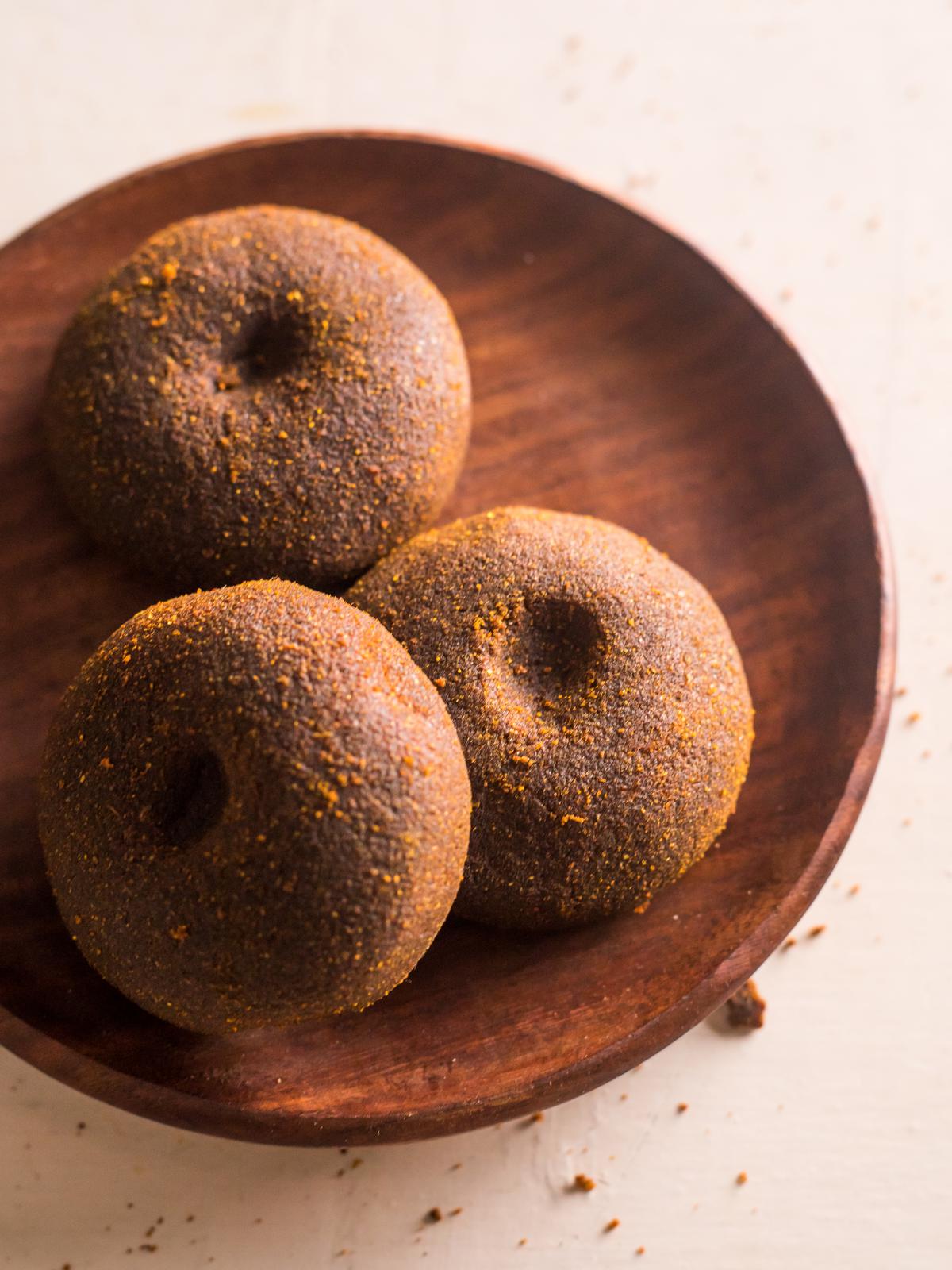
It all began with a shelf. At Matamaal, a Delhi-based restaurant giving the capital a taste of Kashmiri Pandit cuisine, Hans Sadhu remembers one rack — “It used to be reserved for all our spices regularly brought over from Kashmir. It garnered a lot of attention, and diners would ask about it all the time,” says Hans, whose mother, chef Nalini Sadhu, founded and helms the restaurant.
The star of that shelf was — and continues to be — the vaer tiki masala, a dried cake of mixed spices shaped like a large doughnut. “Each family has its own slight variation of the spice mix, but the broad recipe includes mustard oil, coriander, Kashmiri chillies and whole spices. It is usually added right at the end: once a dish has been fully prepared, we break a slight pinch of spice off the cake, sprinkle it on top of the dish and cover it for a few minutes. It elevates the taste completely,” explains Hans.
Matamaal’s vaer tiki masala, sold in retail by Kanz & Muhul
| Photo Credit:
Special arrangement
Having made it to the Delhi-based kitchen of Matamaal, this vaer tiki now travels beyond Delhi to other parts of the country, as well as overseas to the US and Canada. It is one of the more popular items at Kanz & Muhul, a direct-to-customer brand launched by Hans in 2020 that ships everything from chillies to honey from Kashmir-based cultivators to the rest of the world. ““The brand was born purely out of our restaurant diners constantly asking about those spices on our shelf,” he says.
Kanz & Muhul is not alone. In recent years, the surging popularity of regional Indian fare has given way to a fervent curiosity about regional ingredients — Why does the Bihari flaxseed chutney taste distinctive? What is the use of mace — the outer covering of nutmegs popular in the Anamalais? What exactly goes into the Bengali spice mix panch phoron? Responding to this curiosity, and to the growing homesickness of regional food lovers who have relocated to other cities and countries, is a crop of young retail brands determined to educate the mainstream.
How to shop
Indians living in the US, UK and Australia can order regional spices, fruit and masala blends from www.diaspora.com. Prices start at $12.
Gourmands across India, US and Canada can stock up on Kashmiri Pandit ingredients from kanzandmuhul.com. Prices range from ₹90 to ₹1600.
Indians across the country can source Kolhapuri, Bihari and other regional ingredients from www.nuttyyogi.com and partner retail websites. Prices begin at ₹99.
An answer to nostalgia
“Every household, including my own, has a mix of spices that is very proprietary to that community. Our target is the people who miss them.” says Pallavi Gupta, founder and CEO of Bengaluru-based Nutty Yogi that has been shipping regional flours, hand-made condiments, murabbas, spices and more across the country since 2018.
Spices form a small but steady portion of Nutty Yogi’s operations today. “We get about 500 to 1,000 spice orders a month,” says Pallavi, adding, “Most of our clients are based in metro cities.” According to her, the reason Nutty Yogi spices appeal to this clientele is simple — “Most of our recipes come from a collective group of mothers and grandmothers. When we did our research and asked them for their home recipes, most of them were happy to share. Some of them even make small batches for us to sell.”
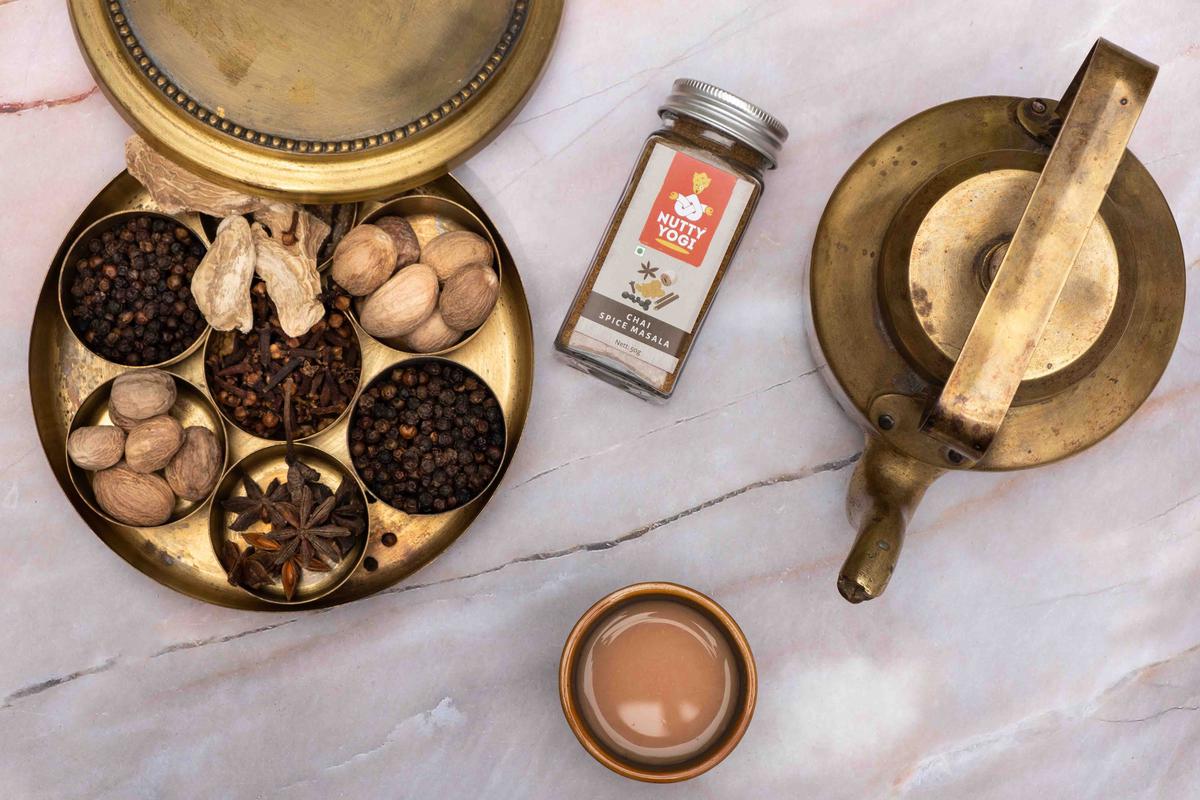
The Nutty Yogi spice collection
| Photo Credit:
Special arrangement
So their Kolhapuri masalas and Bengali spice mixes are “all coarsely ground to order, in order to retain the aroma. We don’t aim for long shelf lives, and when we looked for these spice blends in retail stores, we found them ground too fine. So we decided to make up for it,” says Pallavi.
On the other hand, with Kanz & Muhul customers, Hans finds a clear pattern: “Our overseas customers stock up on a quarterly basis as far as spices go. In winters, we also see a surge in demand for our kehwa blend, saffron, walnuts and blue beans.” Most of these customers are Kashmiris based abroad, seeking familiar flavours of comfort in the harsh cold of Western nations. In India, however, Kanz & Muhul’s customer base comprises people outside the community, waking up to the magic of this cuisine for the first time.
In touch with the soil
According to Hans, the reason for his brand’s sustained success lies in his family’s strong bonds. “My father handles all the sourcing himself; he has a personal relationship with the farmers back home,” he says. It helps that, like Matamaal, Kanz & Muhul deliberately focuses on a no-frilled, homey taste: “Even in Kashmir, this was never commercial food. This was a cuisine you could only find in someone’s home.”
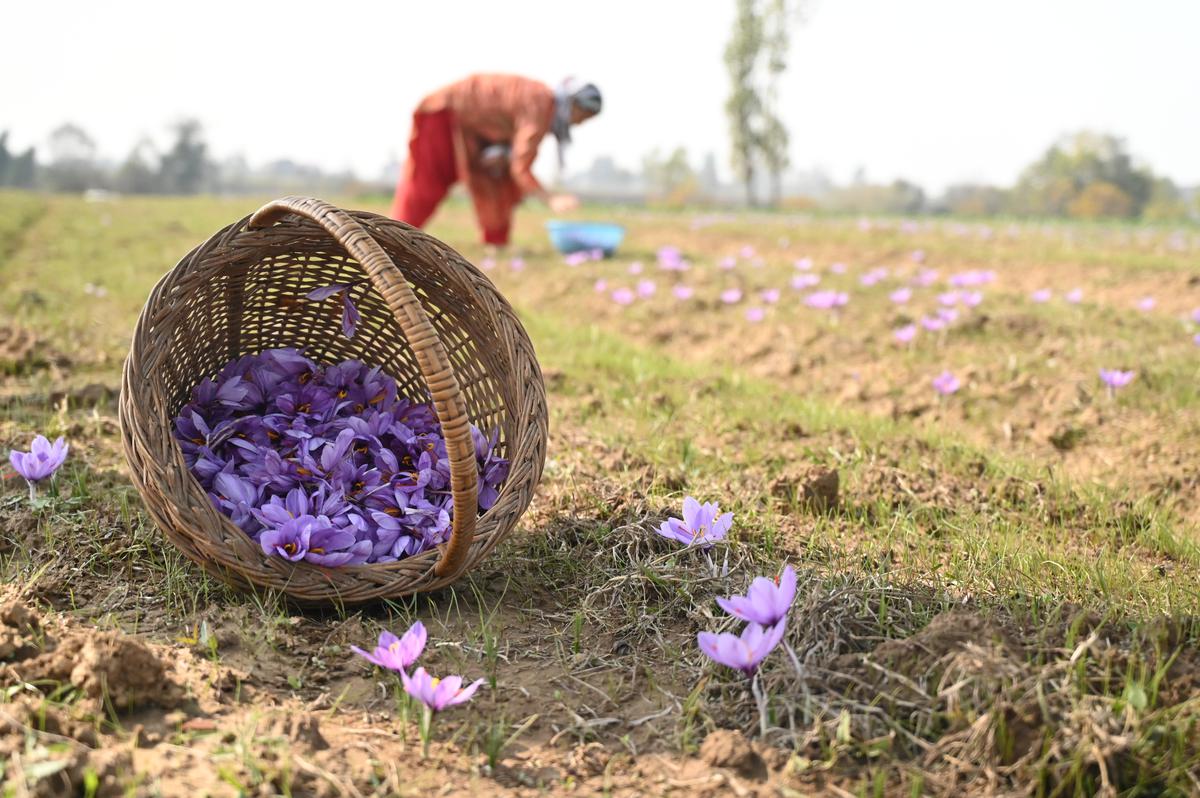
Saffron flowers being harvested for Kanz & Muhul
| Photo Credit:
Special arrangement
In faraway California, another brand has been working to bridge the gap between diaspora and homeland. From Anamalai nutmeg and mace to sillo sougri or hibiscus from the Naga Hills of Manipur, Diaspora has been working with farmers across the country to spread extremely hyperlocal produce from India and Sri Lanka overseas.
Like Kanz, Diaspora’s priority are the people of the land, but they show it in a different way. Kumud Dadlani, sourcing manager at Diaspora, says, “Our baseline, that remains constant throughout our sourcing process, is that we look for small-scale regenerative farmers who are intentionally working on soil health (what we like to think of as the future of food). We sometimes also work with the Spice Institute of India (Kozhikode) and get an understanding from them about the kind of farmers working in a region, who they work with for the institute’s projects regarding soil and seeds. Sana [Javeri Kadri, who co-founded the company in 2017 at the age of 23] spent time travelling through India meeting farmers and creating a network. Between her network and the network that I built from working with Slow Food and a hospitality company, we have another way to go about sourcing.”
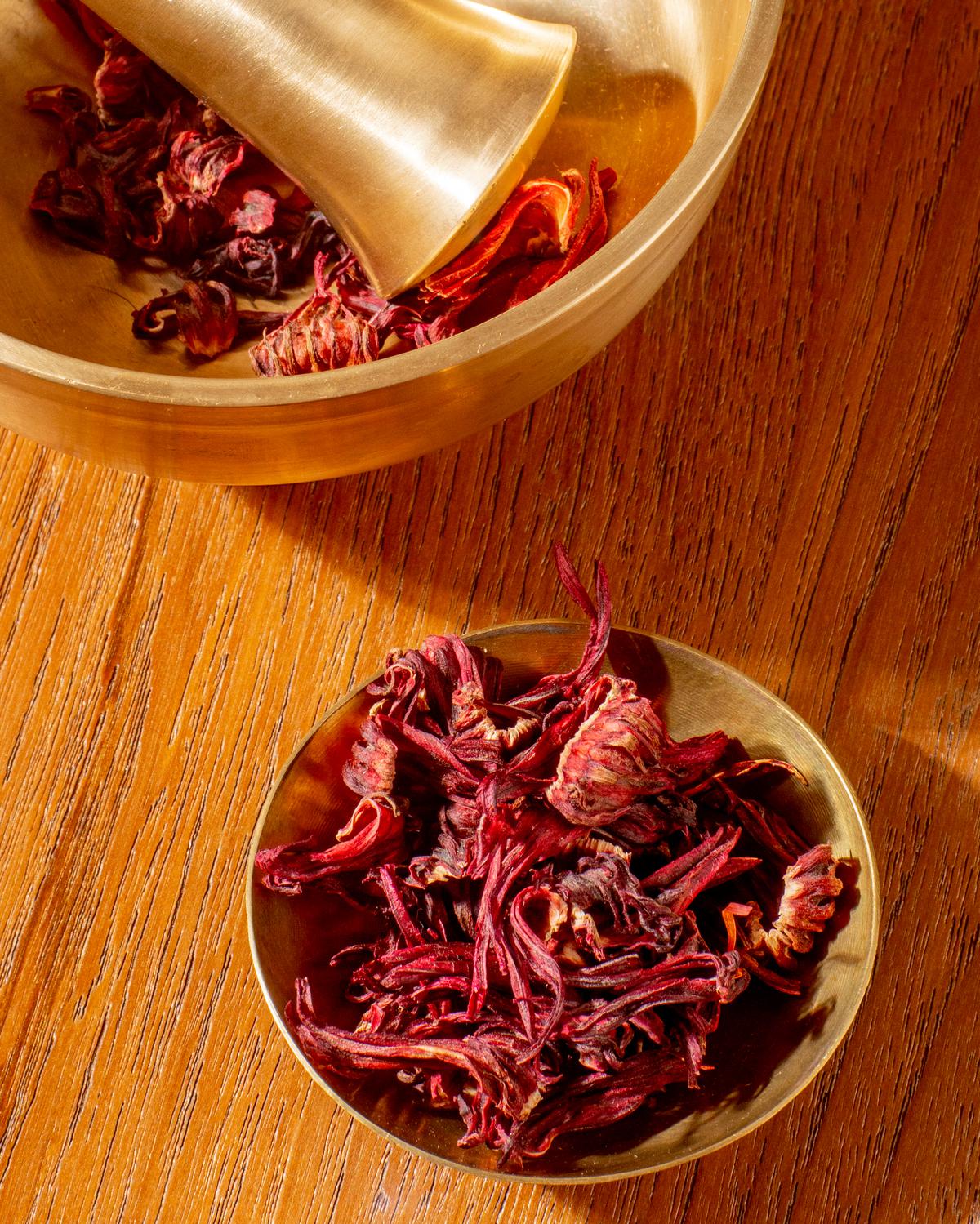
Diaspora sources hibiscus or sillo sougri from the Naga Hills
| Photo Credit:
Special arrangement
Understanding regions and ground realities, collecting samples, testing for pesticide residue and engaging with farmers on a long-term basis are operational priorities her. Kumud points an example, from back when Diaspora spent years trying to find good sweet fennel. “Dharmesh, our coriander farmer based in Shedhubhar, Gujarat, had some old varieties of seeds. He asked for a years’ time to put a small plot together and cultivate them — ‘next year, you just have a taste and see if you like it. These seeds are extremely premium and potent, I think it’s what you’re looking for,’ he had said,” recalls Kumud. Though the team did not stop testing other samples during the course of the year, Dharmesh’s crop turned out to be exactly what they were looking for. This hariyali fennel is among the more popular products by the brand today.
From an initial offering of pragati turmeric in 2017, Diaspora climbed to five spices in 2019, 10 in 2020 and nearly 30 in 2021. The growth of its product range looks exponential from the outside, but for the team working behind the scenes, it is merely par for the course. “The reason we doubled our products in a given year, was because the last two had been spent in ground research for those products,” she explains.
COVID-led conversations
The pandemic, unsurprisingly, brought about a string of delays both minor and extensive. But agriculture and food supply being marked as essential by the Government helped the teams navigate.
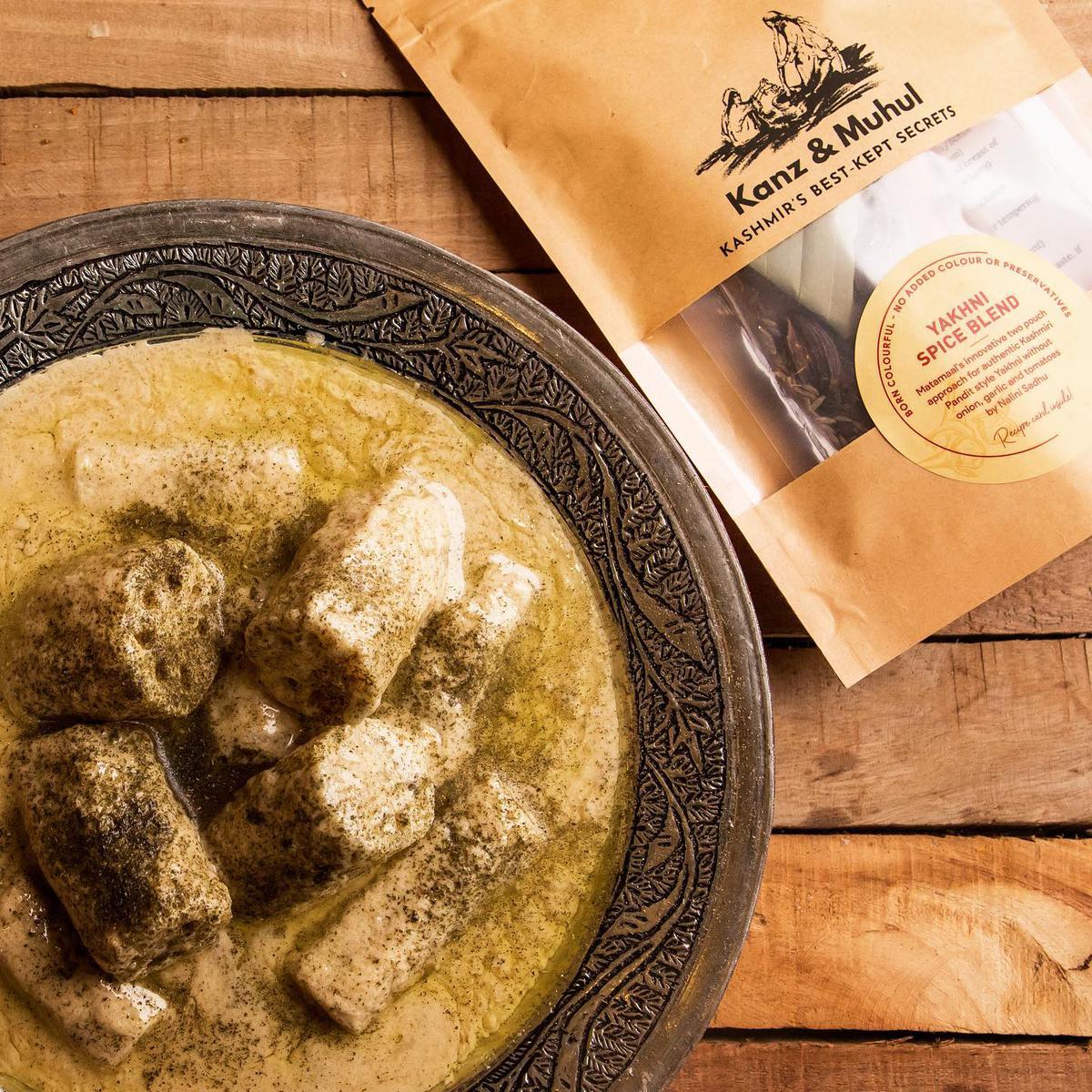
Yakhni spice mix by Kanz & Muhul
| Photo Credit:
Special arrangement
Diaspora, particularly, saw a surge of interest during lockdowns for all the right reasons. Kumud recalls, “If you see our growth, we had the most launches in 2020-21. With people forced to be at home, we saw more engagement with cooking at home, trying to understand where food comes from, supply chains and life cycles… It wasn’t about buying and selling at that point, we were truly having conversations about food. The brand has always been about farmer wages and regenerative agriculture systems: in a way, we were given space to talk about it in 2020-21.”
It also helps that the brand actively shares recipes and cooking tips for all its niche ingredients. After all, for Indians based far from home, food is a feeling synonymous with belongingness and community.