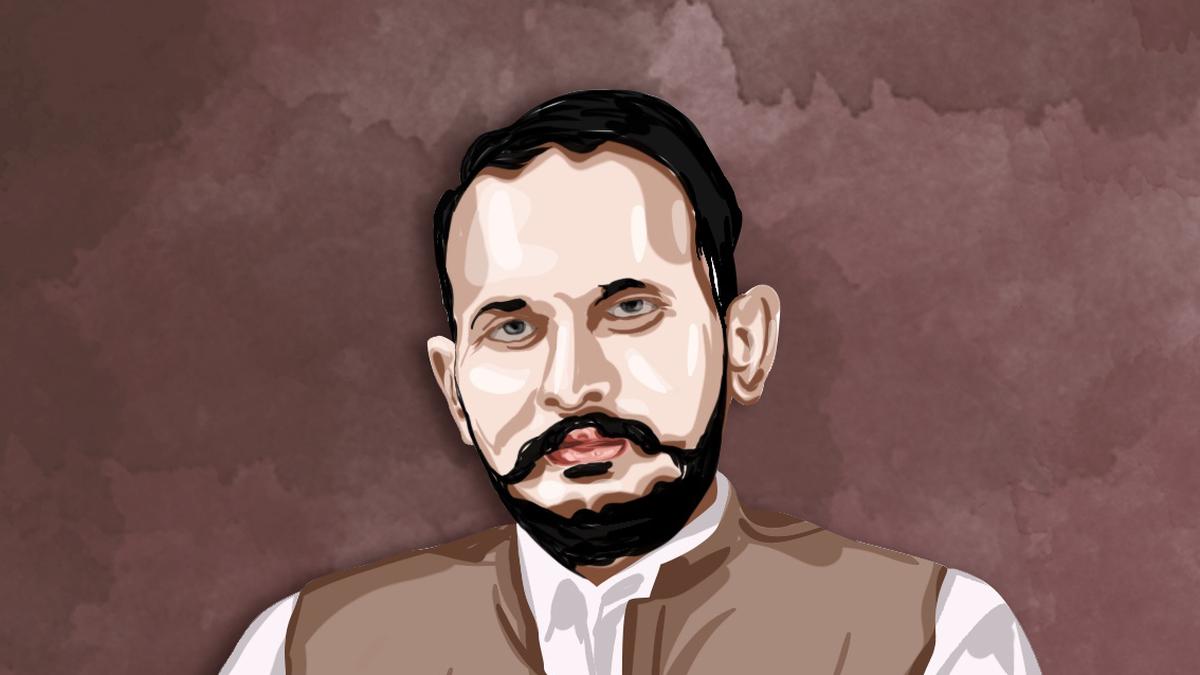




On December 17, 2010, Mohammed Bouazizi, a Tunisian fruit vendor, set himself on fire to protest against local officials having confiscated his stall. His act ignited the flames of a pan-Arab anti-establishment mass uprising that came to be called the ‘Arab Spring’. On the eve of the 14th anniversary of that incident and in the backdrop of last fortnight’s coup in Syria—the Arab Spring’s longest-running and bloodiest manifestation—an analysis of this rare phenomenon is called for.
Tunisia To Egypt To Libya, The All-Encompassing Revolution
In the past 14 years, the Arab Spring has jolted several Arab countries, although its net impact remains contentious. Bouazizi’s self-immolation spurred mass demonstrations in Tunisia, toppling, within a month, the autocratic President in power for 23 years. Egypt followed shortly thereafter: the mass demonstrations centred on Cairo’s Tahrir Square forced President Mubarak to leave after 18 days despite having tried all sorts of deflections to stay in power. He was in power for 32 years and was replaced by the Supreme Military Council, which eventually gave way to the country’s first democratically held elections. The Muslim Brotherhood government lasted only a few months and was overthrown by the Army, which continues to wield power even now.
Col Muammar Qadhafi, President for 42 years of oil-rich Libya, also faced anti-government protests from mid-February 2011, which soon morphed into an armed insurrection based in the eastern coastal city of Benghazi. A UN Security Council Resolution authorising “all necessary measures” to protect civilians was weaponised by 27 Western and Middle Eastern powers to launch intensive airstrikes against the pro-Qadhafi forces. This tilted the balance against the government forces and eventually led to President Qadhafi being killed in combat on October 20. Even after massive bloodletting since, the civil war has continued and the country is still split, with a government each in Tripoli and Benghazi. Libya was the first case of foreign interests being strongly involved in influencing the outcome of the Arab Spring; it was not to be the last.
The protests in Bahrain that began in February 2011 were partly spurred by a Shia majority population chafing under a Sunni monarchy. These were initially aimed at achieving greater political freedom and respect for human rights, but the repression by authorities pushed them in that direction. The fellow monarchies of the Gulf Cooperation Council were alarmed by the perceived involvement of Iran and Hezbollah in disrupting the smallest Gulf state and intervened militarily to quell the protests. Saudi Arabia and the UAE sought to nip similar protests and reform movements in the bud with strongarm tactics.
Civil Wars In Syria And Yemen
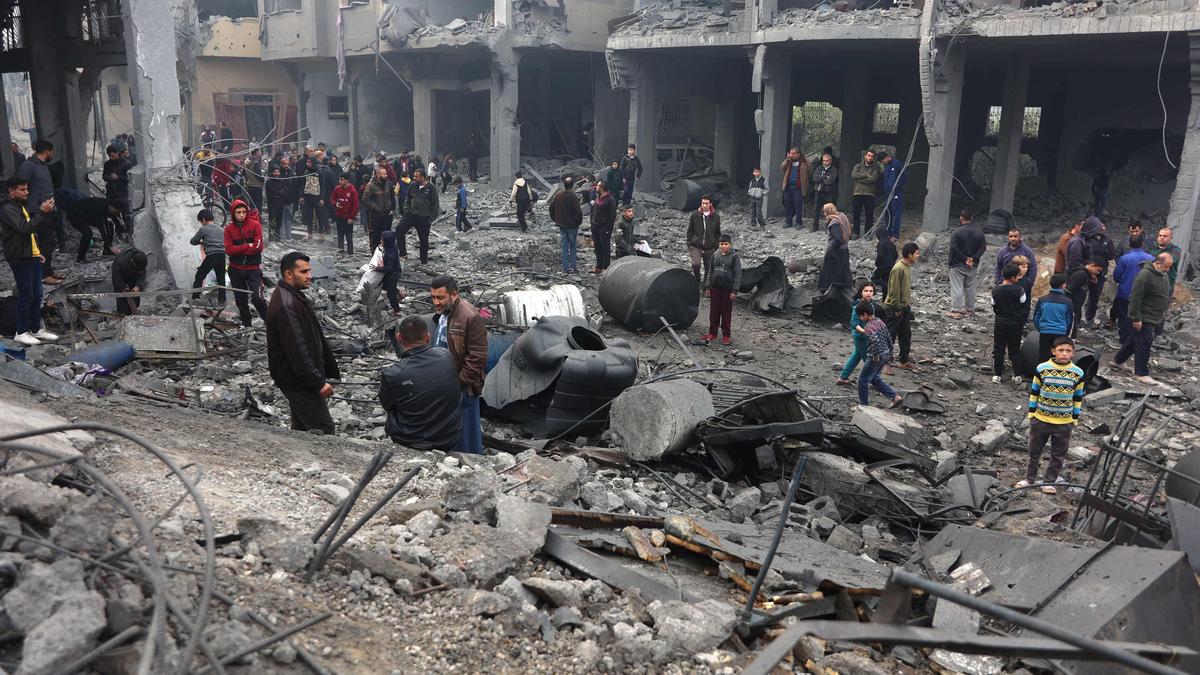
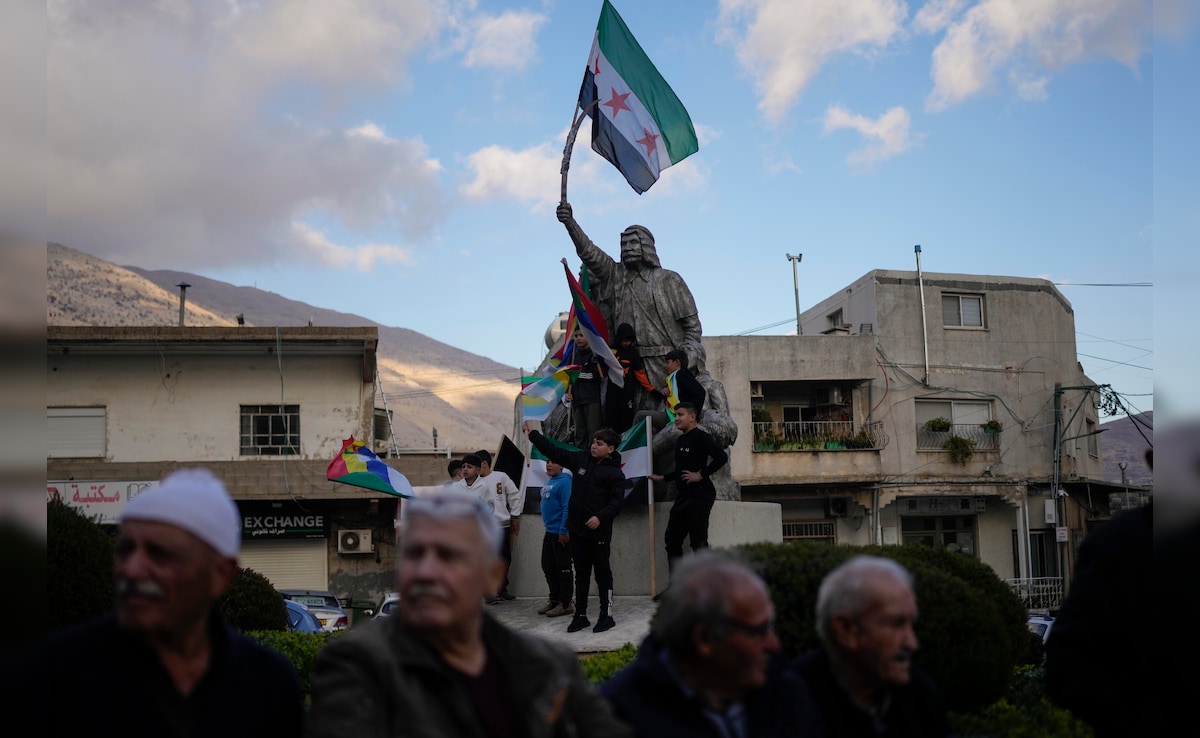
Arab Spring protests in Syria and Yemen, two ethnically diverse and politically frozen republics under dynastic rules, unlocked long-suppressed popular sub-national aspirations. The confrontation did not remain peaceful for long, each morphing into a bitter civil war that brought in neighbouring and global powers resulting in counterproductive outcomes. In Syria, a country of 23 million, 13 years of civil war caused the deaths of nearly half a million people, displacement of nearly 15 million both internally and externally, and destruction put at half a trillion dollars. Yemen continued to be split into the al-Houthis-run north and the UN-recognised coalition in the south—both joined at the hip by disease and malnutrition.
Despite the complicated precedents, the second wave of Arab Spring unfurled 2018 onwards in Algeria, Sudan, Lebanon and Iraq. While all of them had reforms as their leitmotif, the demands were more local and focused: in Algeria, “Herak” agitation was aimed at thwarting President Bouteflika, in power for 19 years, seeking a fresh term despite his physical incapacity. The Sudanese agitated against the 32 years of corrupt and violent rule of a military dictator. Iraqi and Lebanese youth wanted to bring down Muhasasa Taifiyeh, a system of sectarian power-sharing. While this wave of Arab Springers did partially achieve their immediate objectives, all of them are still mired in their respective crises.
Apart from these two waves, the Arab Spring touched almost all parts of the Arab World—from Western Sahara to Jordan and Kuwait.
A New Genre Of Dissent
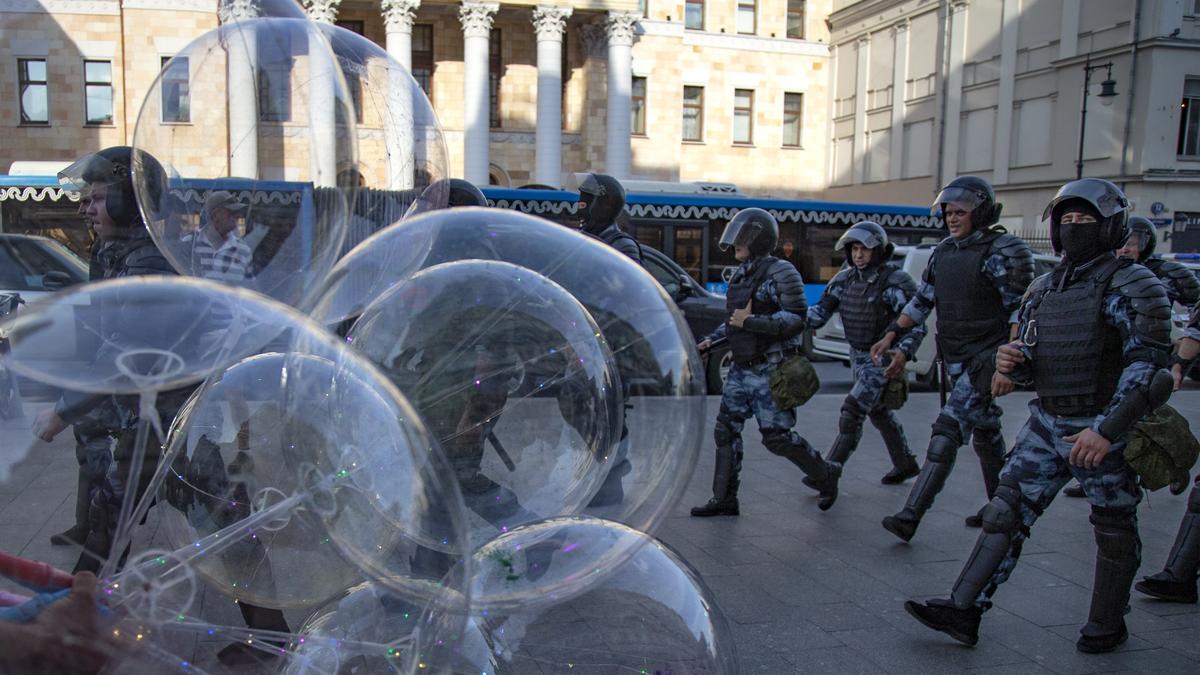
It is important not to over-contextualise the Arab Spring. Even before 2011, the Arab world had similar protest movements, most prominent among these being the bread riots in Egypt and Algeria as well as the Palestinian Intefadah from the mid-1980s onwards. However, two decades later, the Arab Spring was a new dissent genre—being wild-fired by the spread of satellite television and social media leap-frogging over the state controls. Secondly, such protests also took place in other non-Arab but Islamic countries such as Iran (Hijab Protests), Pakistan (Imran Khan detention) and recently in Bangladesh (Prime Minister Sheikh Hasina’s ouster), with mixed results. Even Israel, a regional exception, has had recurring mass protests against government attempts to curb judicial powers and to bring Israeli hostages home from Hamas captivity.
The foregone helps us to identify the root causes of the Arab Spring. Among them, the most widely felt reason could be a sense of ‘Hogra‘, a Maghrebi Arabic word roughly equivalent to the powerful’s contempt for a commoner; it could be expanded to envelope oppressive governance, personality cults and pretentious demagogy quite common in the Middle East. When coupled with stagnant, non-inclusive and non-representative polity, it manifests the Nasser-era paradigm of the ruled-adulating-the-benign-dictator that got increasingly out of place with the ethos of urbanised, better-educated and more aspirational modern Arab societies. The demographic reasons came next: the youth bulging to the working age found few worthwhile jobs within the country and faced shrinking opportunities for employment and migration abroad due to the global recession and low oil prices. These frustrations were aggravated by corruption and the skewed wealth distribution. Lastly, the average citizen was far younger than the long-ruling gerontocrats causing political disconnect and alienation. The boiling cauldron of public angst suddenly and conveniently cascaded into the Arab Spring. The top echelons’ recourse to police terror and/or palliatives was insufficient to contain the outpouring, and the shiny but brittle state cracked under pressure.
Why The Revolution Failed
It’s logical to ask why, despite initial success, the Arab Spring almost universally failed to reform the system. There are several reasons to be cited for this letdown.
Firstly, the Arab Spring movements were initially largely spontaneous without any leadership or agenda. Their initial aim was limited to a change at the top. Once that was achieved, they had little clue and unity on how to put in a better structure replacement as all of the Arab world governance models were flawed. Secondly, the long oppressive rule had meant that there was no credible “loyal opposition”—and the void was filled by either the Islamists (who often ran a mosque-based clandestine network) or the military.
Thirdly, foreign interventions often muddied the waters: they dithered between propping up the status quo or backing the democratic aspirations. The Western Powers, quite possessive about this eco-strategic region, also played their games, particularly in oil-rich countries.
Fourthly, the whirling anarchy often beckoned Islamic terrorism to hijack the agenda—as al-Qaeda and Islamic State did. Last, but not least, the national borders straddling ethnic and tribal groups also cross-pollinated the Arab Spring. The result was often a free-for-all, in which the most organised and committed side often won the day.
Whither The Arab World?
On the Arab Spring’s 14th anniversary, it is natural to ask if the Arab world is any better today and what its long-term impact is going to be. As of now, the most tangible takeaway from the Arab Spring is that a lasting socio-political transformation cannot be stillborn—it needs to evolve organically. One can also venture to suggest that the Arab Spring experience has no clear victors so far—at least the masses who are not only duped politically but also materially worse off. For instance, during the first decade of the Arab Spring to 2021, the nominal per capita income of an average Syrian declined by 86%, from $2971 to $421. So, although the al-Assad regime is finally gone 13 years after Arab Springers first demanded its ouster, the epic death and destruction make it a pyrrhic victory. Moreover, there is no guarantee that the succeeding Hay’at Tahrir al-Sham (HTS)-led Salafi Sunni coalition would be an improvement.
All that one can safely say at this stage about the impact of the Arab Spring phenomenon is that it has shown a harsh mirror to the various stakeholders and made them aware of the limits of their respective powers. While one wishes that this awareness helps them to shift socio-political dynamics towards greater moderation and mutual accommodation, evidence on the ground suggests such hope may remain an ever-receding desert mirage.
(The author is a retired Indian Ambassador who learnt the Arabic language in Damascus. He currently heads Eco-Diplomacy and Strategies, a Delhi-based consultancy.)
Disclaimer: These are the personal opinions of the author
Waiting for response to load…