



In 1988, the World Health Organization (WHO) called for the global eradication of polio. Within a decade, one of the three poliovirus strains was already virtually eradicated — meaning a permanent reduction of the disease to zero new cases worldwide.
Polio, also known as poliomyelitis, is an extremely contagious disease caused by the poliovirus. It attacks the nervous system and can lead to full paralysis within hours. The virus enters through the mouth and multiplies in the intestine. Infected people shed poliovirus into the environment by the faecal-oral route.
About one in every 200 infections results in irreversible paralysis (usually affecting the legs). Of those who become paralysed, 5–10% die due to immobilised breathing muscles.
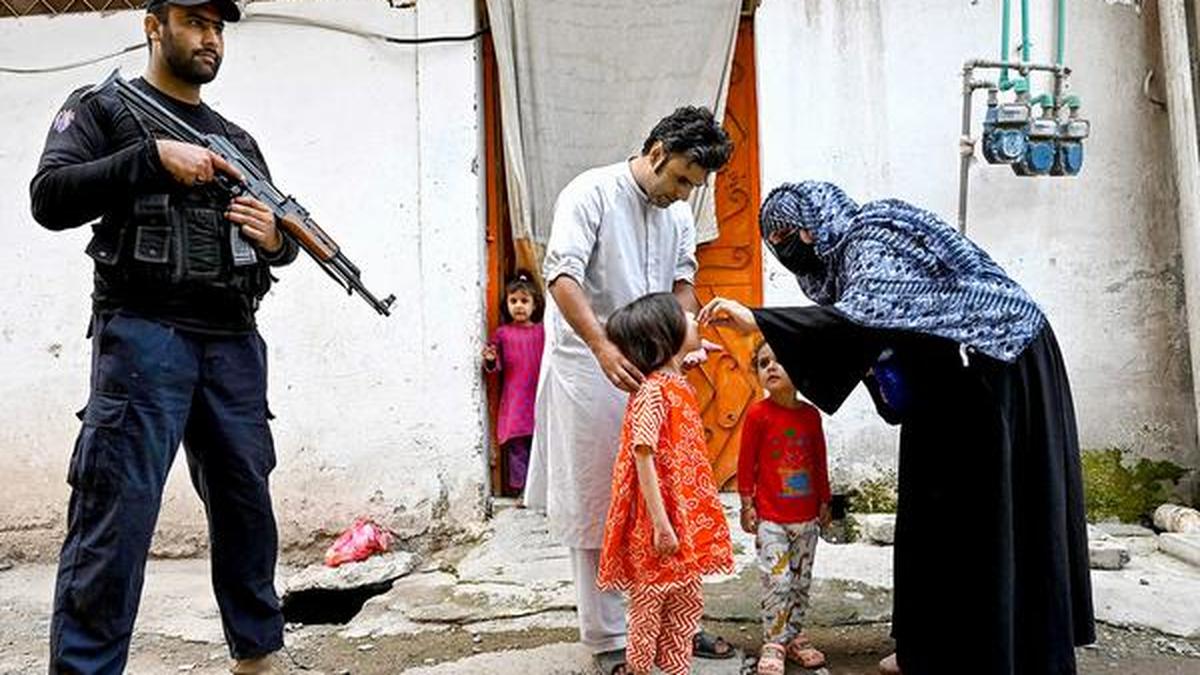
Since 1988, the global number of poliovirus cases has decreased by over 99%. Today, only two countries — Pakistan and Afghanistan — are considered “endemic” for polio. This means that the disease is regularly transmitted in the country.
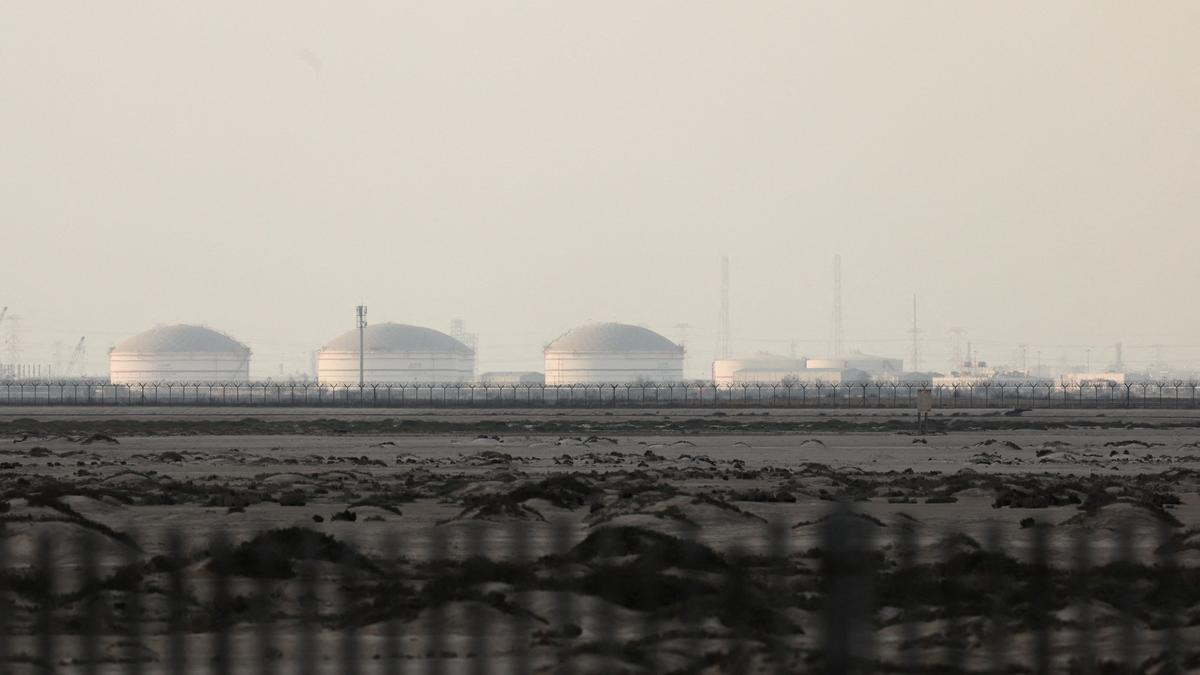
Yet in recent months, poliovirus has been detected in wastewater in Germany, Spain and Poland. This discovery does not confirm infections in the population, but it is a wake-up call for Europe, which was declared polio free in 2002. Any gaps in vaccination coverage could see a resurgence of the disease.
Poliovirus strains originating from regions where the virus remained in circulation led to outbreaks among unvaccinated people in Tajikistan and Ukraine in 2021, and Israel in 2022. By contrast, in the UK — where poliovirus was detected in wastewater in 2022 — no cases of paralytic disease were recorded.
This information highlights the varied effect of poliovirus detection. Why? In areas with under-immunised populations, the virus can circulate widely and cause paralysis. But in communities with strong vaccination coverage, the virus often remains limited to symptomless (“asymptomatic”) infections or is detectable only in wastewater.
In this sense, the mere detection of the virus in the environment can serve as a canary in the coal mine. It warns public health officials to check vaccination coverage and take measures such as boosting vaccination campaigns, improving access to healthcare and enhancing disease surveillance to prevent outbreaks.
Rich source of information
Wastewater surveillance, an approach reinvigorated during the COVID pandemic, has proven invaluable for early detection of disease outbreaks. Wastewater is a rich source of information. It contains a blend of human excrement, including viruses, bacteria, fungi and chemical traces. Analysing this mixture offers valuable insights for public health officials.
Routine wastewater testing in the three countries revealed a specific vaccine-derived strain. No polio cases were reported in any of the three countries.
Vaccine-derived poliovirus strains emerge from the weakened live poliovirus contained in oral polio vaccines. If this weakened virus circulates long enough among under-immunised or unimmunised groups, or in people with weakened immune systems (such as transplant recipients or those undergoing chemotherapy), it can genetically shift back into a form capable of causing disease.
In this case, it is possible that the virus was shed in the sewage by an infected asymptomatic person. But it is also possible that a person who was recently vaccinated with the oral vaccine (with the weakened virus) shed the virus in the wastewater, which subsequently evolved until re-acquiring the mutations that cause paralysis.
A different type of vaccine exists. The inactivated polio vaccine (IPV) cannot revert to a dangerous form. However, it is more expensive and more complex to deliver, needing trained health workers to administer and more complex procedures. This can limit the feasibility of deploying it in poor countries — often where the need to vaccinate is greater.
This does not mean that the oral polio vaccine is not any good. On the contrary, they have been instrumental in eradicating certain poliovirus strains globally. The real issue arises when vaccination coverage is insufficient.
In 2023, polio immunisation coverage in one-year-olds in Europe stood around 95%. This is well above the 80% “herd immunity” threshold — when enough people in a population are vaccinated so that vulnerable groups are protected from the disease.
In Spain, Germany and Poland, coverage with three doses ranges from 85–93%, protecting most people from severe disease. Yet under-immunised groups and those with weakened immune systems remain at risk.
The massive progress in polio eradication that happened over the past three decades is the result of the global effort to fight the disease. But mounting humanitarian crises — sparked by conflict, natural disasters and climate change — are significantly disrupting vaccination programmes essential for safeguarding public health.
If we consider that already 30% of all countries in the world have a vaccine coverage of less than 80%, with immunisation coverage as low as 36% in some countries, any further delay or disruption in vaccination programmes may be catastrophic.
More is needed to safeguard immunisation programmes and prevent undoing decades of progress. The COVID pandemic has reminded us that viruses know no borders. Ensuring widespread, sustained vaccination is our best defence against polio’s resurgence.
The alert triggered by wastewater surveillance systems in Spain, Poland and Germany highlights how wastewater-based surveillance provides public health authorities with another weapon in the fight against infectious diseases.
Mariachiara Di Cesare is a professor in population studies and global health, University of Essex. Francis Hassard is reader, public health microbiology, Cranfield University. This article is republished from The Conversation.
Published – December 15, 2024 02:45 pm IST