



Skip to content
  • Facebook
  • X
  • Linkedin
  • WhatsApp
  • YouTube
  • Associate Journalism
  • About Us
  • Privacy Policy
  • 033-46046046
  • editor@artifex.news
Artifex.News

Artifex.News

Stay Connected. Stay Informed.

  • Breaking News
  • World
  • Nation
  • Sports
  • Business
  • Science
  • Entertainment
  • Lifestyle
  • Toggle search form
  • Shubman Gill Down With Suspected Dengue. BCCI Gives ‘Medical Update’
    Shubman Gill Down With Suspected Dengue. BCCI Gives ‘Medical Update’ Sports
  • Russia Ukraine war : Fire at plant Russia’s Volgograd region after drone attack
    Russia Ukraine war : Fire at plant Russia’s Volgograd region after drone attack World
  • Iran prepares for weeklong funeral of late Supreme Leader Ayatollah Ali Khamenei, killed in war
    Iran prepares for weeklong funeral of late Supreme Leader Ayatollah Ali Khamenei, killed in war World
  • Access Denied
    Access Denied Nation
  • Cuadrat hopeful of a better showing as East Bengal launches a strong squad
    Cuadrat hopeful of a better showing as East Bengal launches a strong squad Sports
  • Access Denied Business
  • “Not Thinking About Bumrah”: Australia Opener Usman Khawaja Throws Down Gauntlet Ahead Of 1st Test
    “Not Thinking About Bumrah”: Australia Opener Usman Khawaja Throws Down Gauntlet Ahead Of 1st Test Sports
  • Lionel Messi Boost For Argentina Ahead Of Copa America Semi-final Against Canada
    Lionel Messi Boost For Argentina Ahead Of Copa America Semi-final Against Canada Sports
Operation Paul Bunyan: When a tree sparked a military standoff

Operation Paul Bunyan: When a tree sparked a military standoff

Posted on October 28, 2024 By admin


In the summer of 1976, a simple poplar tree standing in the Korean Demilitarized Zone (DMZ) became the unlikely catalyst for one of the tensest military escalations between the United States and North Korea. What began as routine tree-trimming quickly spiralled into a dangerous confrontation that nearly ignited a new conflict on the Korean Peninsula. The tree, which obscured visibility at a key checkpoint, would soon thrust the world into a bizarre standoff, forever remembered as Operation Paul Bunyan.

The Korean Demilitarized Zone (DMZ)

The Korean Demilitarized Zone (DMZ), established after the Korean War in 1953, was a narrow strip of land dividing North and South Korea. Despite its name, the DMZ was one of the most heavily militarised borders in the world. During the Cold War, it symbolised the bitter rivalry between communist North Korea, backed by the Soviet Union and China, and the U.S.-allied South Korea. The fragile peace was constantly tested by military posturing, skirmishes, and espionage, with soldiers from both sides stationed just metres apart, ever-ready for conflict. In this tense atmosphere, even the smallest incident could risk escalating into war.

The Incident: A routine task turns deadly

On August 18, 1976, a seemingly ordinary task took a fatal turn in the DMZ. At Checkpoint 3, a critical outpost in the Joint Security Area (JSA), a large poplar tree had grown so tall that it obstructed the view of U.S. and South Korean forces, compromising their line of sight to the Bridge of No Return, a key strategic route between North and South Korea. To restore visibility, a group of U.S. and South Korean soldiers, led by Captain Arthur Bonifas and Lieutenant Mark Barrett, were sent to trim the tree.

The image shows the view from Checkpoint 3 (CP#3) looking south toward Taesong-dong. The flag from Taesong-dong is in the center of the picture. KPA#8 is to the left. The hill behind KPA#8 is (was) Guard Post (GP) Collier.
The area to the left of KPA#8 is the depression area where Lt. Mark Barrett’s body was found after the Axe Murder Incident.
(Photo March 1976)

Armed only with axes, they began their task, unaware of the impending danger. As they worked, North Korean soldiers appeared, led by Senior Lieutenant Pak Chul, who aggressively demanded the operation stop, claiming the tree had symbolic significance. Tensions escalated rapidly, and without warning, the North Korean soldiers launched a violent attack. Captain Bonifas was killed on the spot, and Lieutenant Barrett, gravely wounded, later succumbed to his injuries.

This killing of two U.S. officers shocked the world, turning a simple tree-trimming operation into a deadly international crisis that brought the U.S. and North Korea to the brink of war.
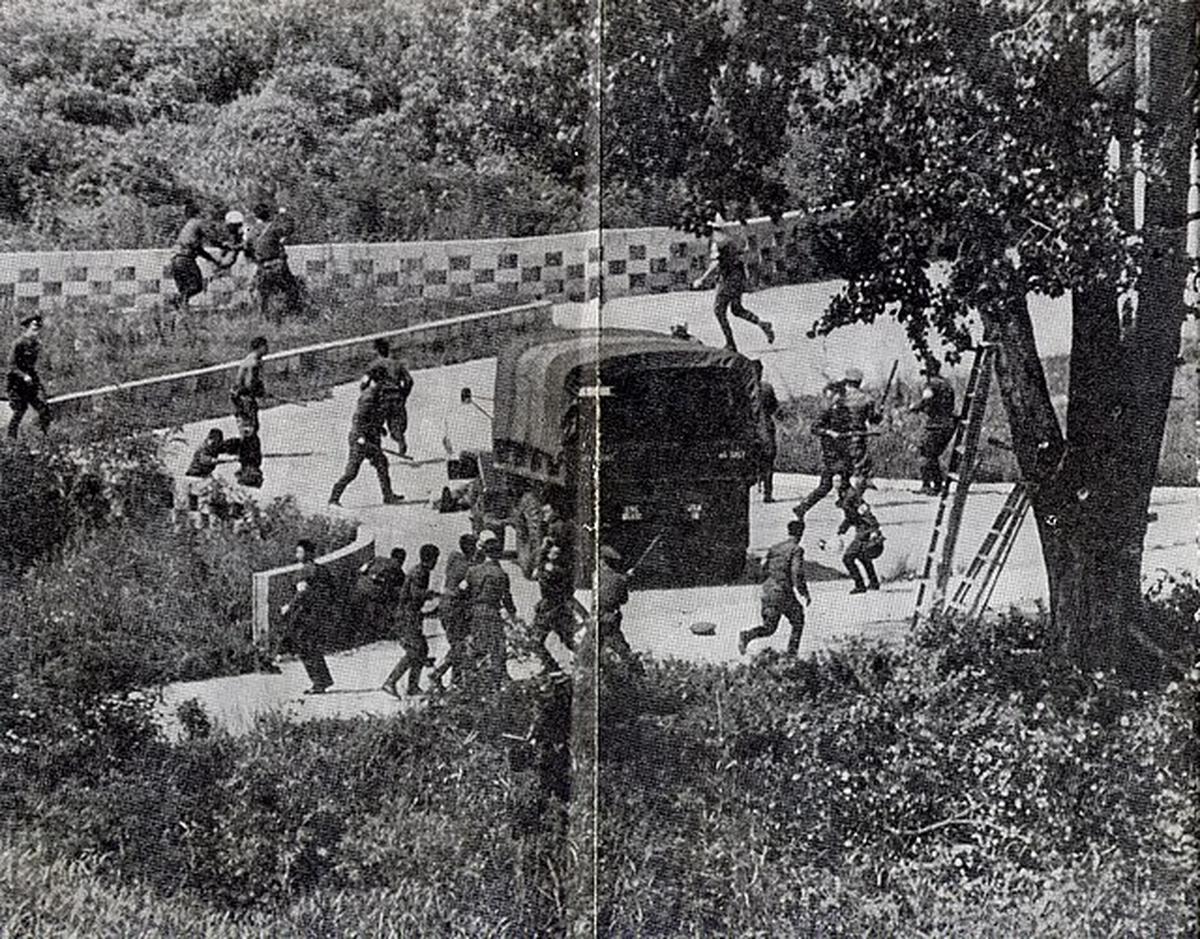
This is picture 7 of the fight sequence. UNC personnel are wearing white helmets. The pictures were taken by U.S. Military personnel, but these are scanned in from “Axe-wielding Murder at Panmunjom”. Copied from inside the back page of the booklet “Axe-wielding Murder at Panmunjom”: Published by UN Korean War Allies Association, Inc. C.P.O. Box 936 Seoul, Korea Contents of this publication may be reproduced in part or in entirety with or without credit to the publisher. Aug. 21, 1976

This is picture 7 of the fight sequence. UNC personnel are wearing white helmets. The pictures were taken by U.S. Military personnel, but these are scanned in from “Axe-wielding Murder at Panmunjom”. Copied from inside the back page of the booklet “Axe-wielding Murder at Panmunjom”: Published by UN Korean War Allies Association, Inc. C.P.O. Box 936 Seoul, Korea Contents of this publication may be reproduced in part or in entirety with or without credit to the publisher. Aug. 21, 1976

Operation Paul Bunyan: The response

In the wake of these killings, the United States responded with a show of overwhelming force in an operation that was as symbolic as it was absurd: Operation Paul Bunyan. On August 21, 1976, just three days after the deadly incident, the U.S. launched an elaborate military operation—not to attack North Korea, but to chop down the infamous poplar tree.

Backed by a staggering display of might, hundreds of soldiers, supported by tanks, fighter jets, attack helicopters, and B-52 bombers, returned to the site. The U.S. military assembled an overwhelming force of over 300 troops. The mission: to fell the tree that had triggered the crisis. The tree was cut down without resistance from the North Koreans, who watched in silence from their positions.
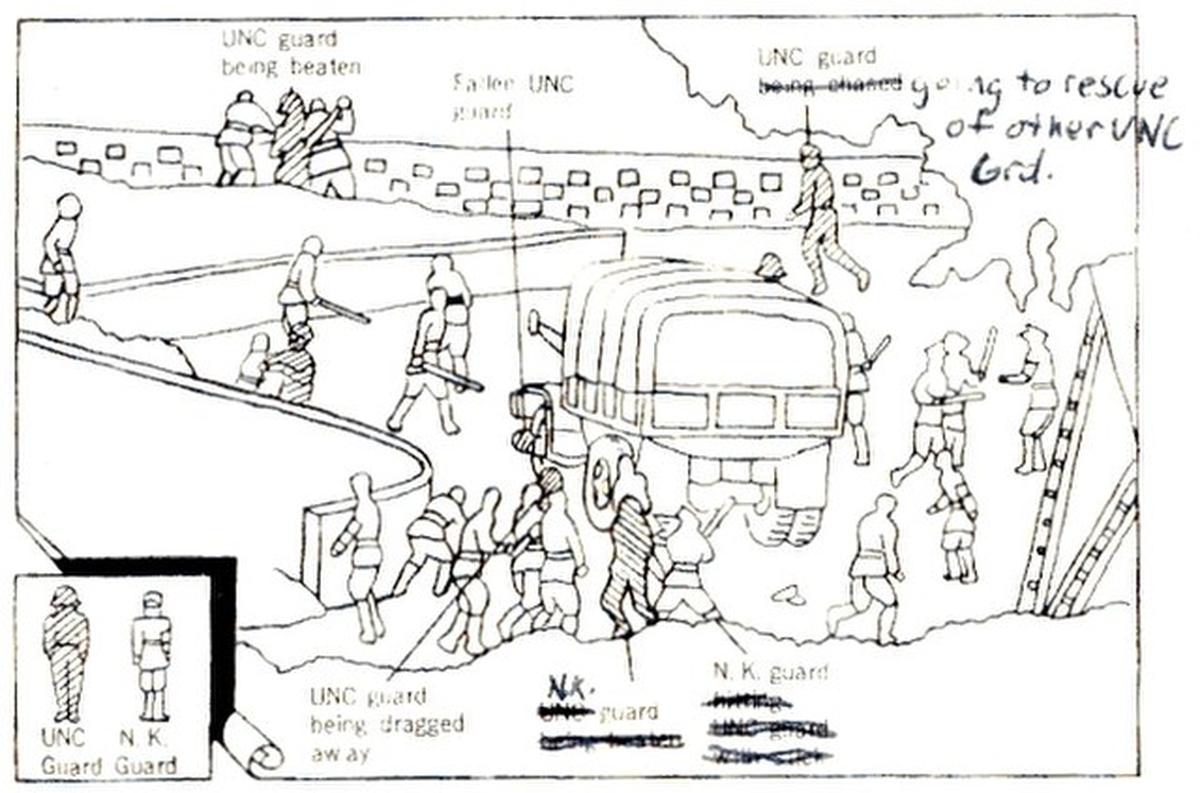
This is a diagram showing who is who in Picture 7.

This is a diagram showing who is who in Picture 7.

Operation Paul Bunyan was designed to send a powerful message—one of strength and deterrence—while avoiding direct conflict. The sheer scale of the operation, involving such vast military resources to remove a single tree, highlighted the bizarre nature of the standoff and how close both nations had come to war over something so trivial. The tree was gone, but the event left a lasting mark on the fragile peace between North and South Korea.
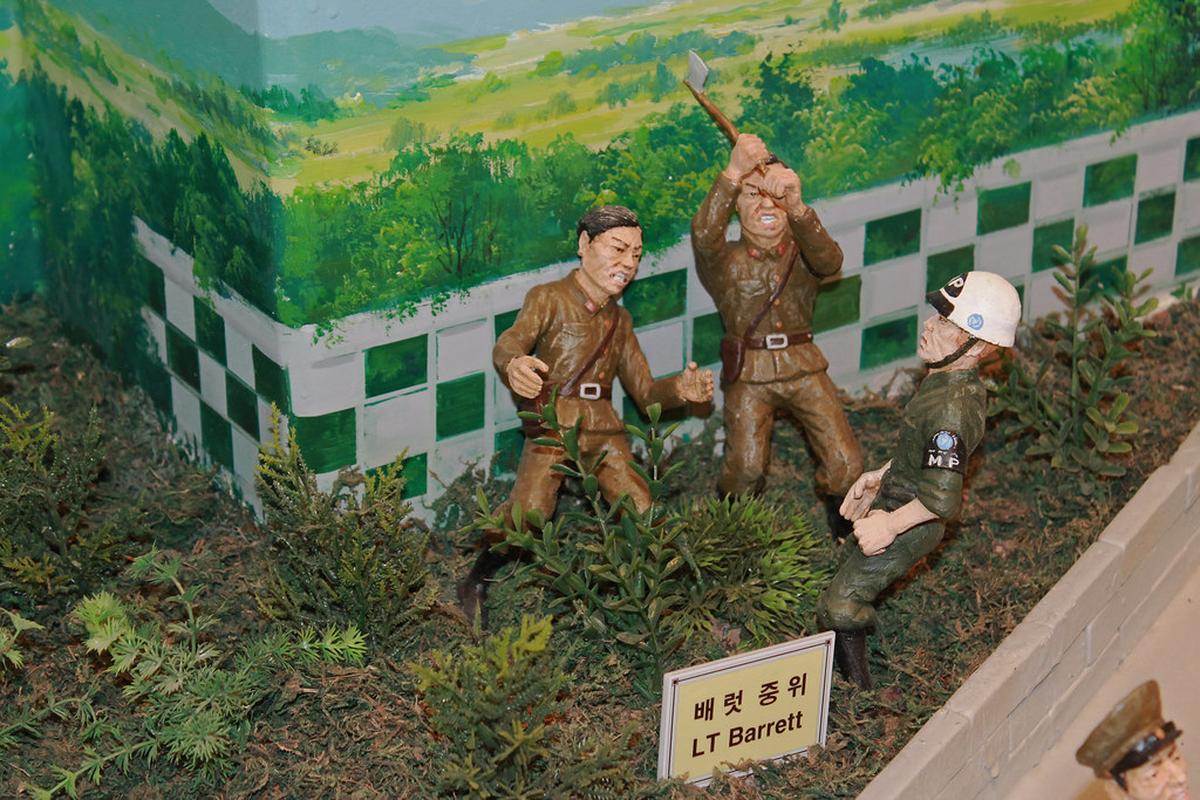
Re-creation of the events that took place.

Re-creation of the events that took place.

Symbolism of the tree: A Cold War gesture

The cutting of the poplar tree during the Operation became much more than a simple act of revenge—it was a calculated Cold War gesture, dripping with symbolism. By deploying the force to remove a single tree, the U.S. sent a clear message to North Korea: any act of aggression would be met with a powerful response. The operation was not about the tree itself, but about demonstrating military might and asserting dominance without escalating into war.

What was once a mundane tree became a symbol of Cold War brinkmanship, showing how even the smallest disputes could ignite major tensions. Its removal highlighted the precarious balance between peace and conflict, where even nature could play a role in power struggles between two nations.
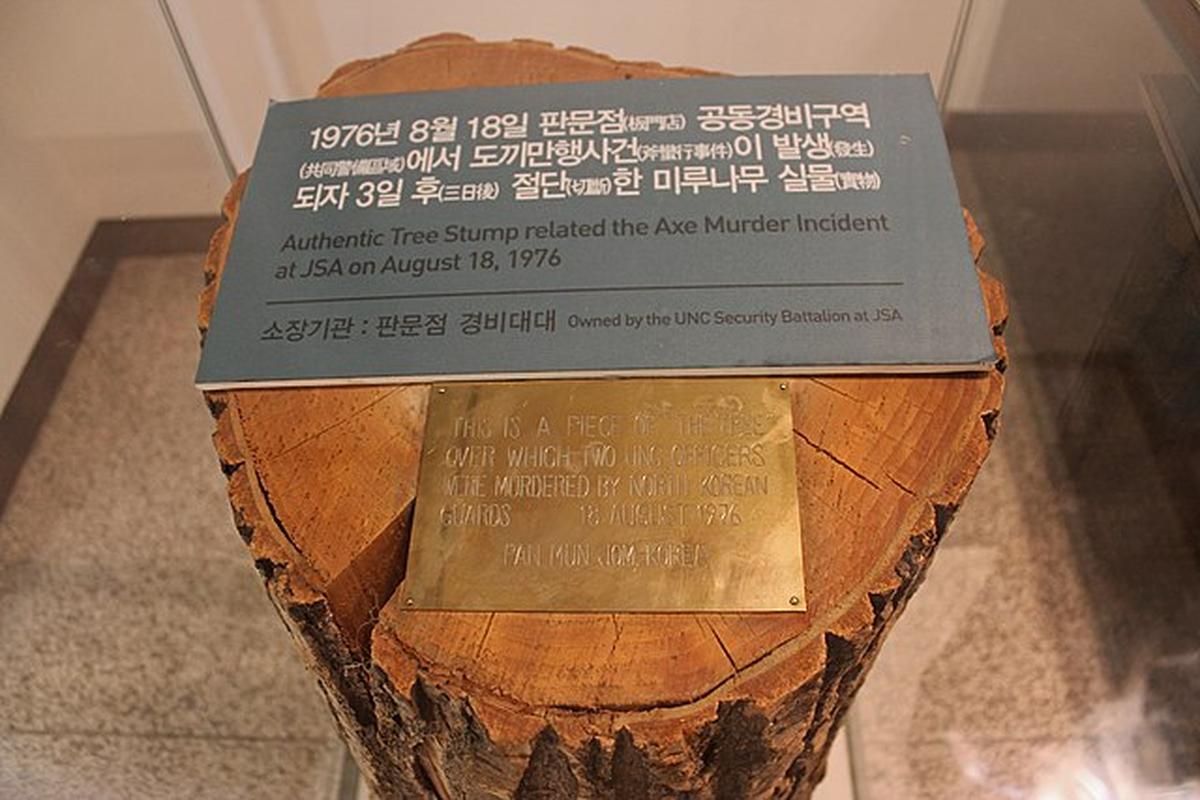
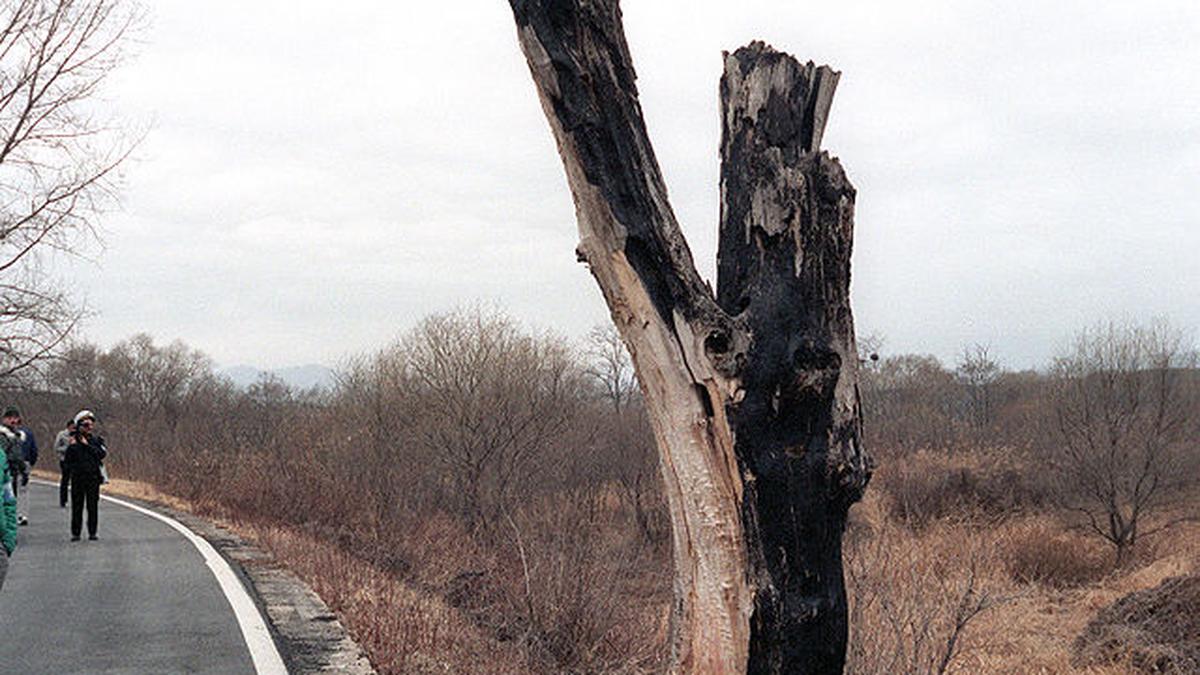
Portion of the tree from the infamous axe murder incident .

Portion of the tree from the infamous axe murder incident .

Aftermath: The lesson from a tree

The poplar tree that nearly sparked the war was removed without further violence, and Operation Paul Bunyan ended with no additional casualties. The incident revealed just how fragile peace in the Korean DMZ was. The absurdity of nearly going to war over a tree underscored the dangerous nature of Cold War-era power dynamics. It served as a reminder of how quickly minor events could escalate and emphasised the fine line between peace and war, especially in such a volatile region.

Just when you think wars and geopolitics are all about maps, territory, and grand strategies, remember there was a tree involved. A weird, symbolic chapter in history.

Published – October 28, 2024 12:00 pm IST


Source link

World

Post navigation

Previous Post: “I Can Tell You…”: PM Narendra Modi On Real Madrid vs Barcelona Fever In India
Next Post: All About The C-295 Military Aircraft

Related Posts

  • Access Denied World
  • U.S.-Venezuelan conflict not to impact India’s trade: GTRI
    U.S.-Venezuelan conflict not to impact India’s trade: GTRI World
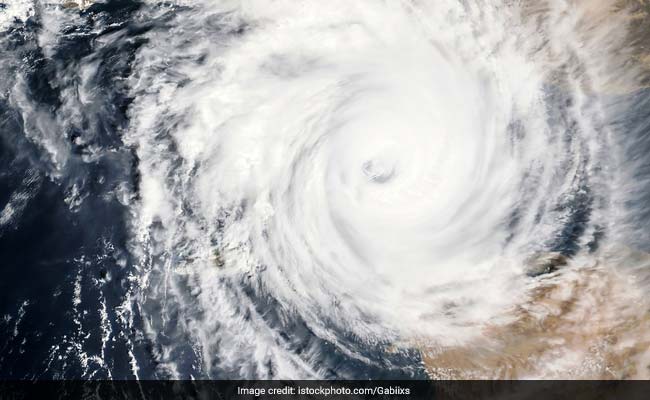
  • Millions Evacuated In Bangladesh As Cyclone Remal Moves Closer
    Millions Evacuated In Bangladesh As Cyclone Remal Moves Closer World
  • Access Denied World
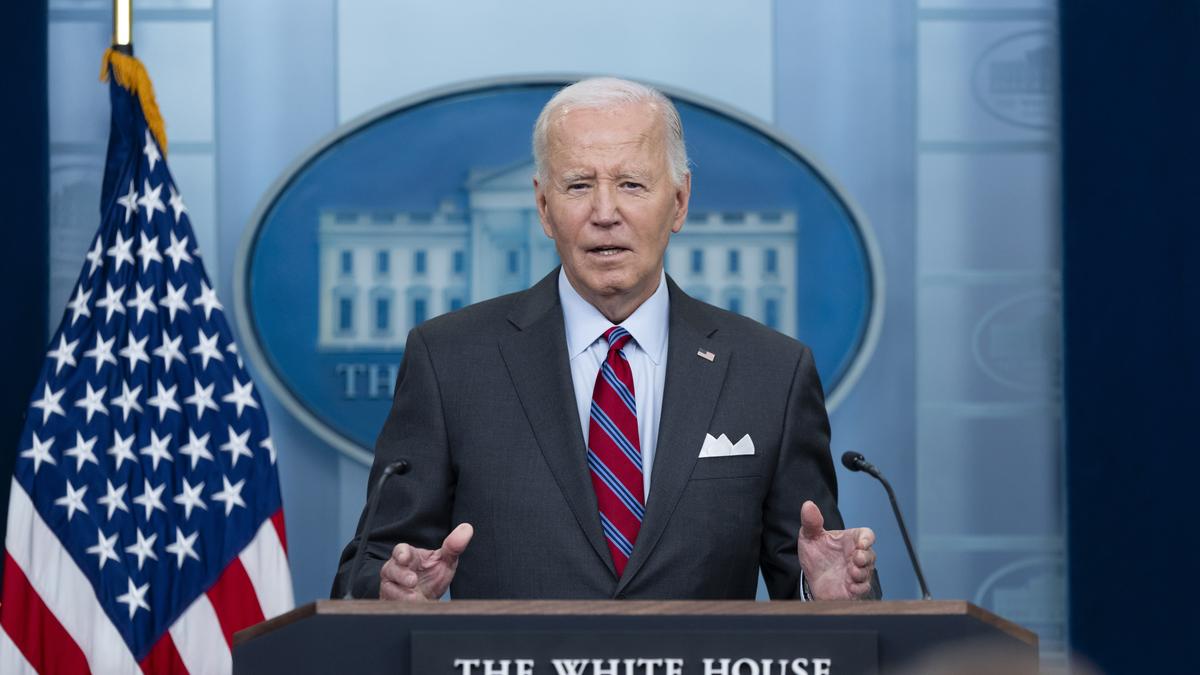
  • Joe Biden talks election, economy and West Asia crisis in surprise news briefing
    Joe Biden talks election, economy and West Asia crisis in surprise news briefing World
  • Access Denied World

More Related Articles

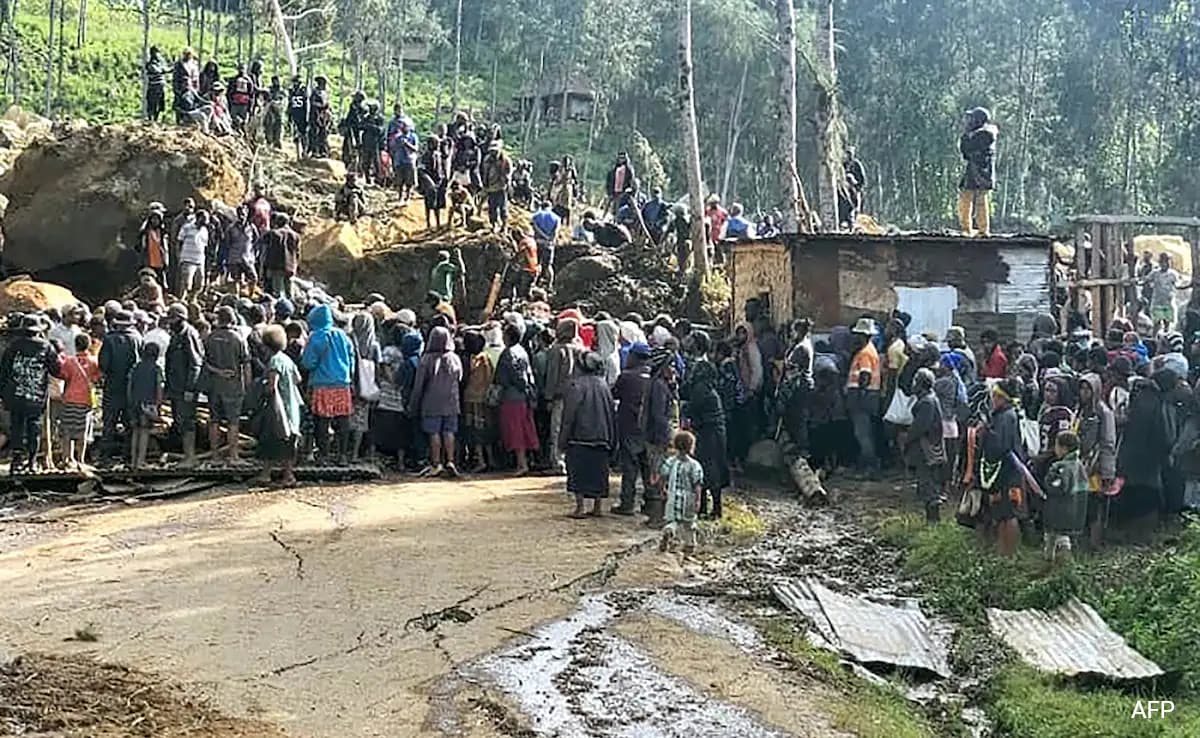
Papua New Guinea Says 7,900 People Evacuated Under New Landslide Threat Papua New Guinea Says 7,900 People Evacuated Under New Landslide Threat World
Access Denied World
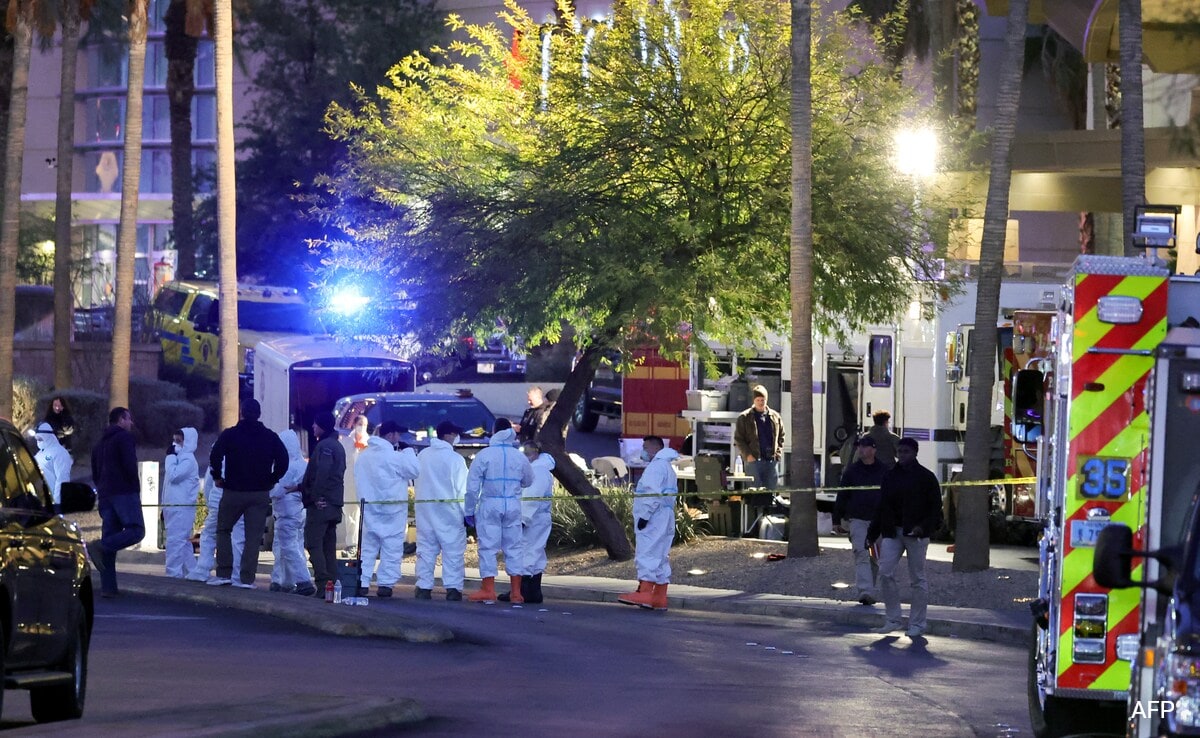
New Orleans Struggle With Horror Of Truck Attack New Orleans Struggle With Horror Of Truck Attack World
At least 32 killed in southeastern Congo after bridge at mine collapsed, authorities say At least 32 killed in southeastern Congo after bridge at mine collapsed, authorities say World
Andy Burnham set to be U.K. PM after securing more Labour MPs’ support Andy Burnham set to be U.K. PM after securing more Labour MPs’ support World
Haiti gang violence: A total of 184 killed in Haiti capital violence over weekend: UN human rights chief Volker Turk Haiti gang violence: A total of 184 killed in Haiti capital violence over weekend: UN human rights chief Volker Turk World
SiteLock

Archives

  • October 2026
  • September 2026
  • August 2026
  • July 2026
  • June 2026
  • May 2026
  • April 2026
  • March 2026
  • February 2026
  • January 2026
  • December 2025
  • November 2025
  • October 2025
  • September 2025
  • August 2025
  • July 2025
  • June 2025
  • May 2025
  • April 2025
  • March 2025
  • February 2025
  • January 2025
  • December 2024
  • November 2024
  • October 2024
  • September 2024
  • August 2024
  • July 2024
  • June 2024
  • May 2024
  • April 2024
  • March 2024
  • February 2024
  • January 2024
  • December 2023
  • November 2023
  • October 2023
  • September 2023
  • August 2023
  • July 2023
  • June 2023
  • May 2023
  • April 2023
  • March 2023
  • February 2023
  • January 2023
  • December 2022
  • November 2022
  • October 2022
  • September 2022
  • August 2022
  • July 2022
  • June 2022
  • May 2022

Categories

  • Business
  • Nation
  • Science
  • Sports
  • World

Recent Posts

  • Activists allege tender for beach pathway for persons with disabilities is incomplete
  • BOXING | Battle between BFI chief and general secretary intensifies
  • U.S.-Russia deal on diesel is ‘very risky choice,’ says Italy PM Giorgia Meloni
  • Cabinet approves Fairfax’s ₹52,878-crore bid for IDBI Bank; largest FDI ever in India’s financial sector
  • India’s IT exports: Deliver the code, chase the cash

Recent Comments

  1. RobertTes on UP Teacher Who Asked Students To Slap Muslim Classmate
  2. Manuelret on UP Teacher Who Asked Students To Slap Muslim Classmate
  3. RobertTes on UP Teacher Who Asked Students To Slap Muslim Classmate
  4. RobertTes on UP Teacher Who Asked Students To Slap Muslim Classmate
  5. BrentWes on UP Teacher Who Asked Students To Slap Muslim Classmate
  • “Can’t Believe We’re…”: Ex-Australia Skipper On Usman Khawaja’s Retirement Speculations
    “Can’t Believe We’re…”: Ex-Australia Skipper On Usman Khawaja’s Retirement Speculations Sports
  • All 39 Seats In Tamil Nadu, Key To BJP’s South Push, To Vote Today
    All 39 Seats In Tamil Nadu, Key To BJP’s South Push, To Vote Today Nation
  • Access Denied Business
  • IND vs BAN third T20I: Indian batsmen on a rampage, scores highest total in T20I by an ICC member team
    IND vs BAN third T20I: Indian batsmen on a rampage, scores highest total in T20I by an ICC member team Sports
  • Majority consensus reached on Iran’s next Supreme Leader
    Majority consensus reached on Iran’s next Supreme Leader World
  • Access Denied
    Access Denied Nation
  • ‘Only 747 enrolment applications received from homeless voters’: NGO writes to Delhi CEO, flags ‘lapses’
    ‘Only 747 enrolment applications received from homeless voters’: NGO writes to Delhi CEO, flags ‘lapses’ Nation
  • China launches Pakistan’s satellite into space
    China launches Pakistan’s satellite into space World

Editor-in-Chief:
Mohammad Ariff,
MSW, MAJMC, BSW, DTL, CTS, CNM, CCR, CAL, RSL, ASOC.
editor@artifex.news

Associate Editors:
1. Zenellis R. Tuba,
zenelis@artifex.news
2. Haris Daniyel
daniyel@artifex.news

Photograher:
Rohan Das
rohan@artifex.news

Associate Journalists
1. Subrata Paul - AN/2020/01
2. Quamruz Zaman - AN/2021/22
3. Ahmed Sha - AN/2021/035
4. Ajay Kumar Shaw - AN/2021/39
5. Tahqiqul Hoda - AN/2021/21

Artifex.News offers Online Paid Internships to college students from India and Abroad. Interns will get a PRESS CARD and other online offers.
Send your CV (Subjectline: Paid Internship) to internship@artifex.news

Links:
Associate Journalism
About Us
Privacy Policy

News Links:
Breaking News
World
Nation
Sports
Business
Entertainment
Lifestyle

Registered Office:
72/A, Elliot Road, Kolkata - 700016
Tel: 033-22277777, 033-22172217
Email: office@artifex.news

Editorial Office / News Desk:
No. 13, Mezzanine Floor, Esplanade Metro Rail Station,
12 J. L. Nehru Road, Kolkata - 700069.
(Entry from Gate No. 5)
Tel: 033-46011099, 033-46046046
Email: editor@artifex.news

Copyright © 2023 Artifex.News Newsportal designed by Artifex Infotech.