



The Delhi Government on Thursday (November 19, 2026) launched the ‘Ehsaas 2026’ Mental Health and Well-Being Policy for schools and higher educational institutions in the national capital. The policy aims to ensure one counsellor for every 500 students, besides providing helplines and mental and emotional support services.
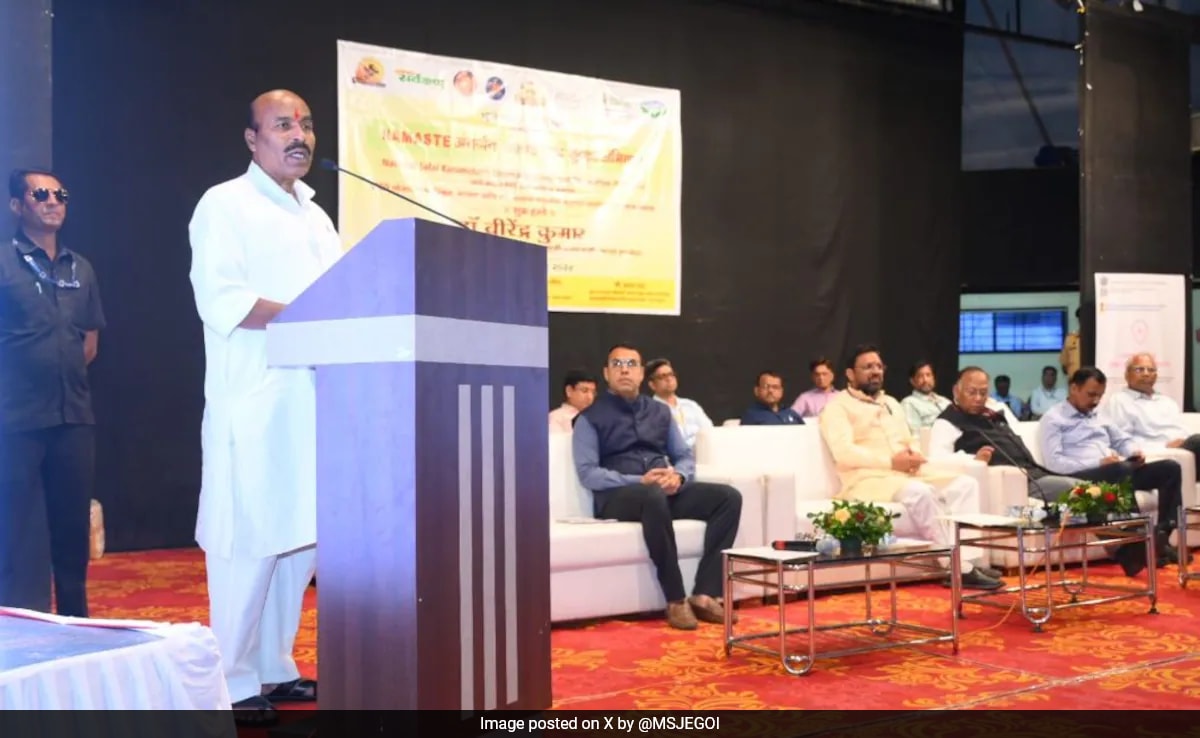
Lieutenant-Governor Taranjit Singh Sandhu, Chief Minister Rekha Gupta, spiritual leader Sri Sri Ravi Shankar and Environment Minister Manjinder Singh Sirsa were present at the launch.
The policy seeks to raise awareness about mental health and encourage students, teachers and parents to speak openly about the subject, making mental and emotional well-being an integral part of education.
Under the policy, special attention will be given to examination pressure, academic stress, anxiety, depression, interpersonal relationships and challenges related to digital behaviour. Students dealing with the pressure of board and entrance examinations will also receive guidance and support, according to the Chief Minister’s Office (CMO).
The policy also provides for opportunities for students to develop stress-management and social-emotional skills, while sensitising teachers and parents to recognise early signs of mental health concerns. It also emphasises confidential mechanisms for reporting bullying, identity-based discrimination and cyberbullying, timely action on complaints, and protection from harassment for those filing complaints, according to an official statement.
Equal support for all children
The Lieutenant-Governor said making mental health and emotional well-being an integral part of education was the need of the hour. At a time when young people were facing increasing stress, the Delhi government’s initiative was timely and commendable.
Mr. Sandhu said, “Every child’s feelings, aspirations and needs matter. No child should face discrimination on the basis of their background, abilities or circumstances. Children with disabilities and those from disadvantaged communities must be given equal opportunities, acceptance and support.”
He added that responsibility for mental health rested not only with students but also with teachers, parents and school management.
Delhi Chief Minister Rekha Gupta said the policy had been introduced keeping in mind the mental health and overall well-being of students and would be implemented across schools and higher educational institutions in Delhi.
She said ‘Ehsaas’ would give millions of students studying in Delhi’s schools and colleges an opportunity to move forward with greater mental and emotional resilience. “The Delhi government wants every child to progress in life with happiness, positivity and confidence, and to know that the government, teachers and parents will stand by them through every challenge,” she said.
Six-tier mechanism
According to an official statement, the ‘Ehsaas’ policy will have a six-tier escalation mechanism to ensure student safety and address serious mental health crises. The mechanism will include the class teacher, school counsellor/first responder, school head/wellness team, District Well-Being Centre, hospital/emergency mental health services and relevant statutory agencies.
Students will have access to specialised mental health services through District Well-Being Centres established at the district level. These centres will provide psychological assessments, therapeutic interventions and psychiatric consultations.
“Schools will be responsible for early identification, initial psychosocial support and referrals, while clinical assessments and treatment will be handled by trained specialists, ensuring that students who need help receive appropriate care in time,” the statement further added.
Staff to receive training
Education Minister Ashish Sood said the government took up the issue after a school student attempted suicide a few days ago. Following the incident, he wrote to school principals and held discussions with them and mental health experts to work towards a comprehensive policy.
He said the policy was an important initiative to understand children’s emotional needs, listen to them and provide appropriate support. He also thanked the Art of Living, UNESCO, IHBAS and expert institutions for their contribution to developing the policy.
Mr. Sood said teachers, parents, principals, Educational and Vocational Guidance Counsellors (EVGCs), officials, drivers and other support staff would be trained to identify early changes in children’s behaviour and respond with sensitivity and appropriate support.
Four key pillars
The ‘Ehsaas’ policy is based on four key pillars. The first, the “Whole-Institution Approach”, seeks to make mental health part of an institution’s overall culture, with the participation of students, teachers, faculty, institutional heads, hostel staff and parents, according to the CMO.
The second pillar, Proactive and Preventive Care, focuses on identifying early signs of mental health concerns, promoting social-emotional and life skills, and building mental resilience.
The third, System-Level Accountability and Governance, seeks to ensure clearly defined responsibilities within institutions, staff training, capacity building and accountability of institutional leadership.
The fourth pillar, Ethical Safety and Rights-Based Support, will protect students’ dignity, privacy and confidentiality, ensure age-appropriate consent for minors and respect the autonomy of adult students.
Published – November 20, 2026 02:46 am IST