



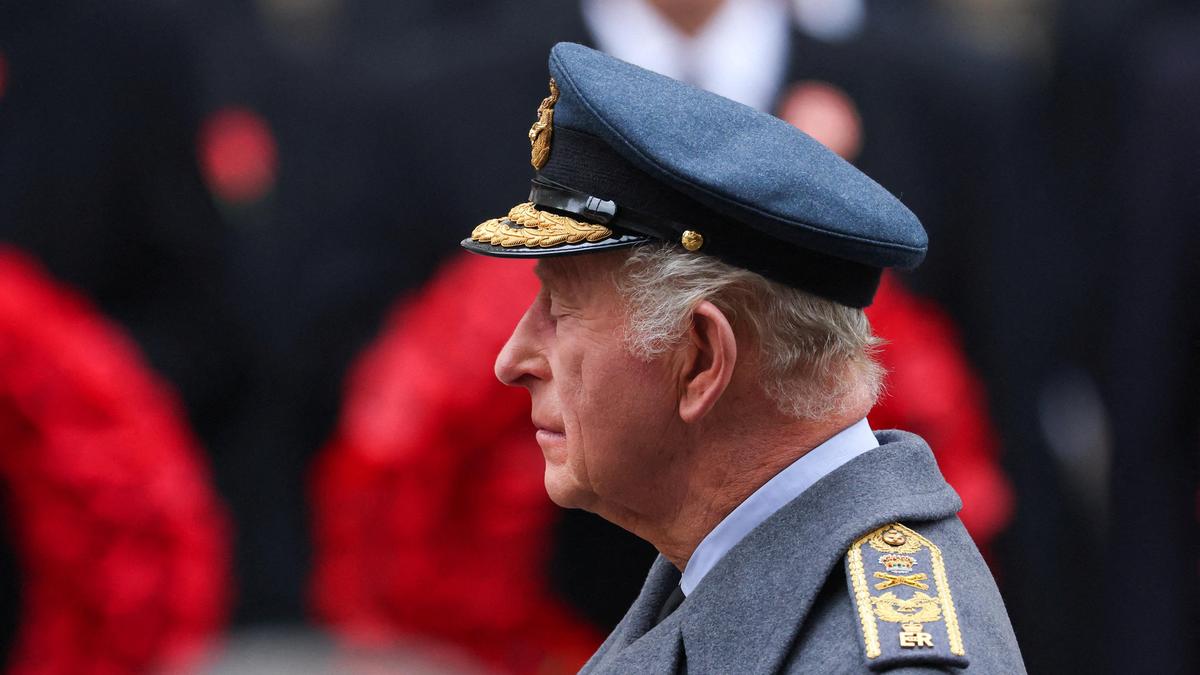
Jamaica’s strategy of petitioning King Charles III represents a masterstroke of forensic anti-colonialism: demanding that Britain reconcile its domestic declarations of human dignity with centuries of institutionalised colonial devastation.
| Photo Credit: REUTERS
Led by Culture Minister Olivia Grange, the Jamaican government filed a petition on September 7, 2026, asking King Charles III of England — who is Jamaica’s Head of State — to refer three core legal questions to the Judicial Committee of the Privy Council (JCPC) under Section 4 of the Judicial Committee Act 1833. The questions ask whether the capture, transportation, and enslavement of Africans in Jamaica were ever lawful under English common law, whether those acts violated international legal principles, and whether the U.K. holds a legal obligation to provide reparatory remedies or compensation to the Jamaican people.
While the petition is pending, U.K. Prime Minister Andy Burnham recently stated that while the British government is open to formally apologising for Britain’s historical role in the transatlantic slave trade, he ruled out financial reparations, arguing that the contemporary British populace cannot be held liable for historical wrongs from a different era and legal context. However, a closer look reveals that Jamaica’s petition possesses far more legal weight than a cosmetic apology.
Published – November 11, 2026 07:30 am IST