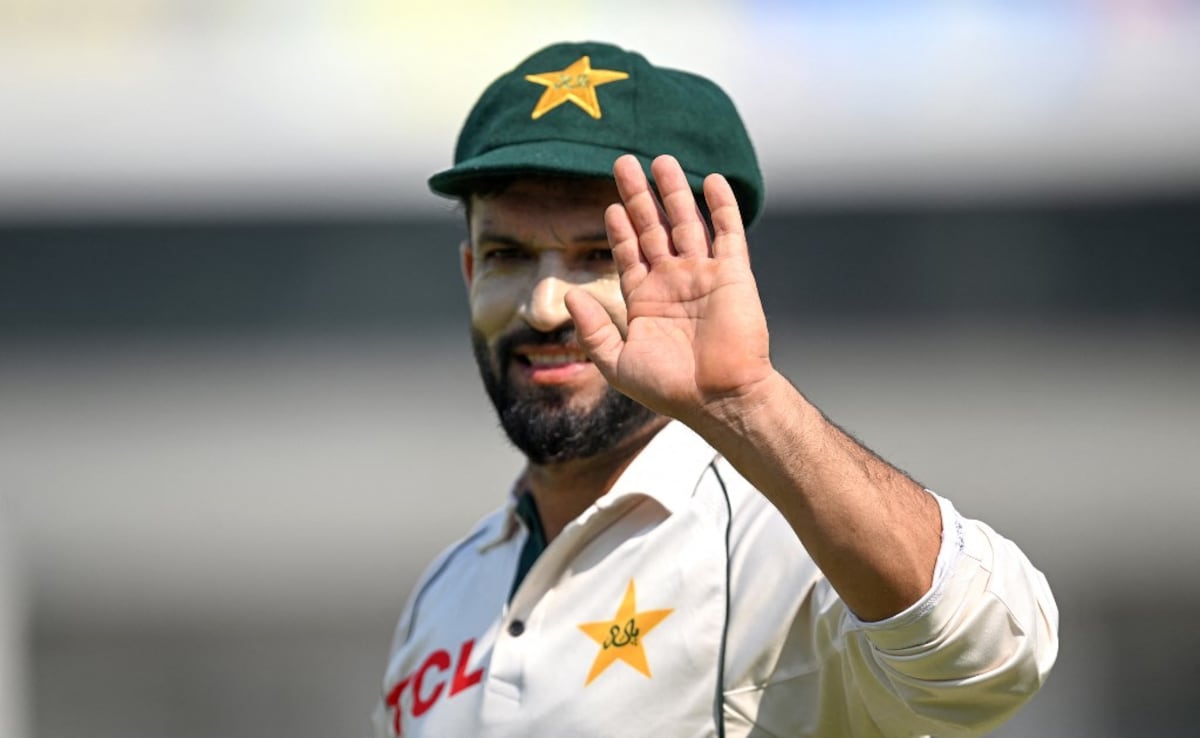



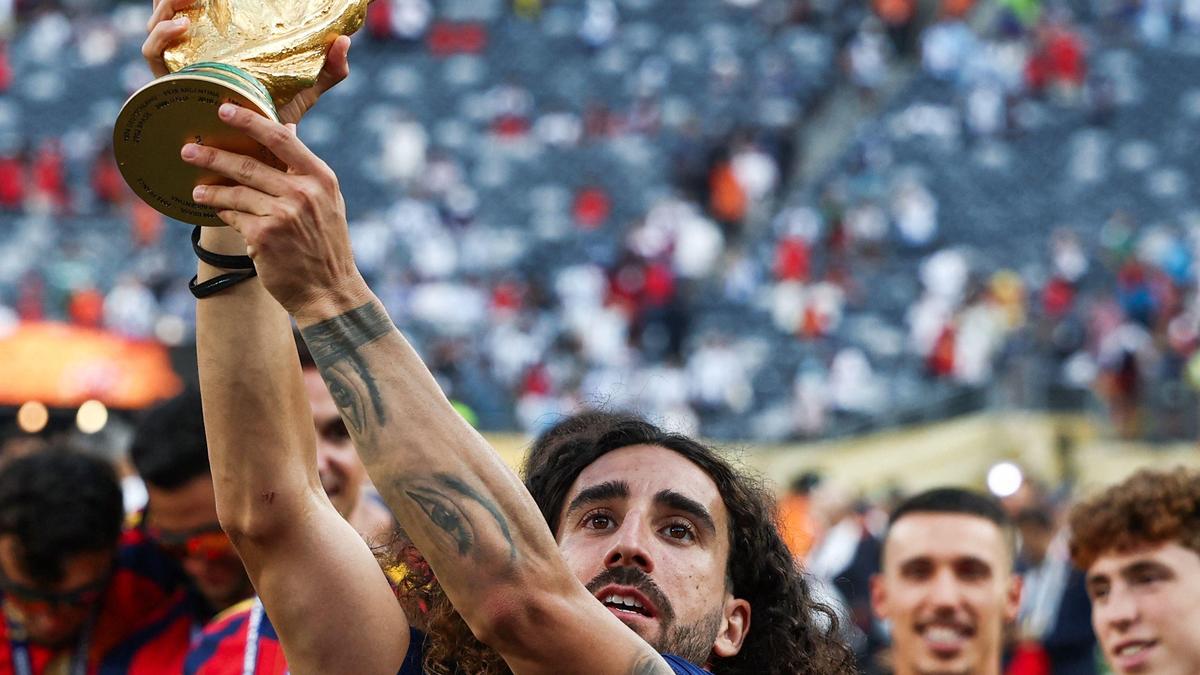
Cucurella’s move to Real Madrid was announced only at the start of the tournament.
| Photo Credit: AFP
Somewhere between Ferran Torres’ extra-time winner and the trophy lift, 12 club badges got to claim a piece of history. Spain’s second World Cup title was stitched together by clubs, its academies and leagues spread across Europe, and the breakdown tells a story as interesting as the triumph itself.
LaLiga dominated the numbers, with 17 of the 26 players coming from the Spanish top division, a figure league president Javier Tebas was quick to hold up as proof of its strength. The Premier League supplied seven, while the Bundesliga and Ligue 1 contributed one each, reflecting how Spanish football has kept its biggest talents close to home even as the English top flight’s financial gravity pulls them elsewhere.
Barcelona led individual club representation with nine players, from Lamine Yamal and Pedri to Pau Cubarsi, underlining a squad heavily shaped by La Masia’s production line. Atletico Madrid, Athletic Bilbao, and Arsenal each sent three players. Mikel Merino, coming fresh off a Premier League title with the Gunners, carried that winning momentum into the World Cup as he scored the game-clinching goals against Portugal and Belgium.
Perhaps the most striking detail, though, was who was missing. For the first time in Spain’s World Cup history, not a single Real Madrid player featured in the squad, a remarkable absence for the nation’s most successful club. Marc Cucurella’s move to Real from Chelsea, confirmed during the tournament, only added to the irony.
Football has a way of humbling even its grandest institutions, and Real’s absence is proof enough. Spain didn’t need its most decorated club to become the champion again; it just needed 26 players from a dozen different dressing rooms.
Published – July 20, 2026 09:55 pm IST