




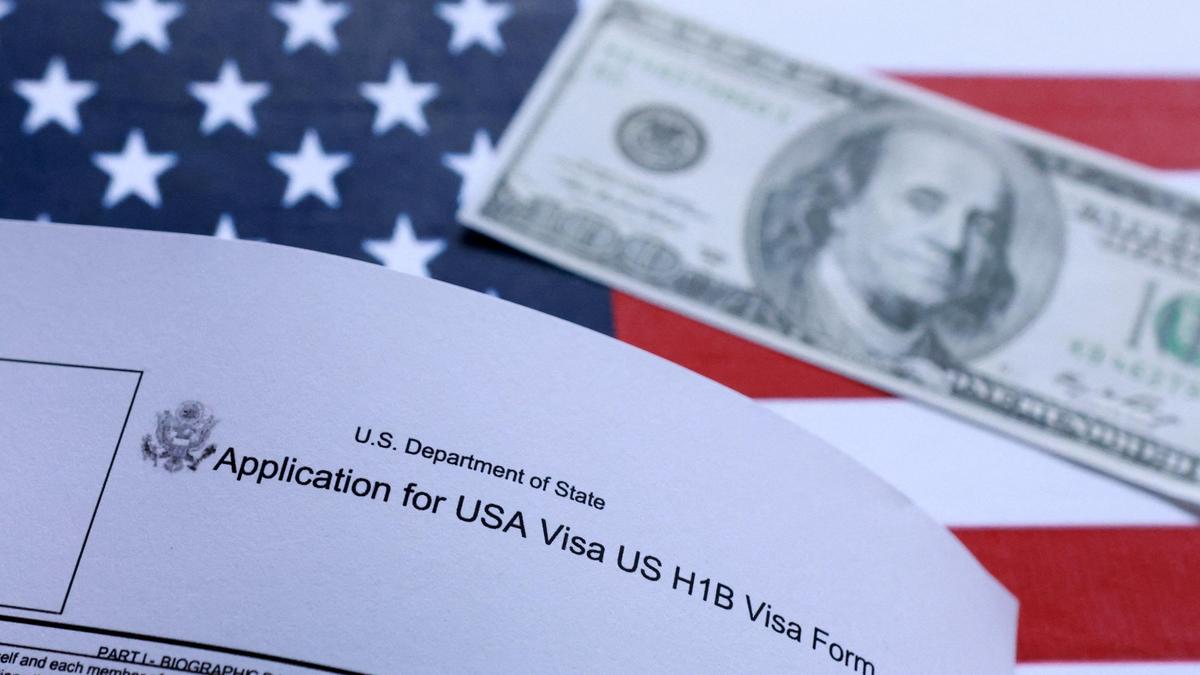
The U.S. has an annual H-1B visa cap of 85,000. Of this, Indians account for about 71-74% of the approved applications. Representational file image.
| Photo Credit: Reuters
The story so far: The U.S. government is all set to introduce wide-ranging changes to the rules regarding the manner in which it allows foreigners to work and study in the U.S. — including its H-1B work visa programme, Optional Practical Training (OPT) system, and employment-based Green Cards. These changes are part of recommendations made by three core Departments in the U.S. government — Homeland Security, Labor, and State — under the Unified Regulatory Agendas that they periodically release.

What are the proposed changes to the H-1B system?
The rules aren’t in place yet, but are expected to come into effect in August this year. One such rule, by the Department of Homeland Security (DHS), would reduce the exemptions granted to universities and some research organisations from the cap on H-1B visa issued.
The proposals will also bring in stricter requirements for employers that want to send H-1B workers to third-party client sites. This is of particular importance to Indians since it is a model widely used by Indian IT and consulting firms.
Basically, companies that want to place workers with an H-1B visa in third-party clients will not only need to show that there exists a genuine employer-employee relationship, but also provide evidence that the worker will perform specialised work at the third-party client site. The process will also require more detailed documentation, and companies that have violated the H-1B visa programme’s rules in the past would face greater scrutiny.
Apart from all this, the DHS has also proposed to extend and expand some of the supplemental fees that accompany H-1B applications.
All of this has major implications for India and Indians. The U.S. has an annual H-1B visa cap of 85,000. Of this, Indians account for about 71-74% of the approved applications.
What changes has the Department of Labor suggested?
The Department of Labor’s rule changes are more concerned with things like wage levels. According to its proposed changes, the entry-level wage benchmark for the H-1B and Program Electronic Review Management (PERM) system — the first regulatory step for employment-based Green Cards — would be increased from the 17th percentile to the 34th percentile. Higher wage levels will also be increased.
Basically, this will hike the higher minimum salary thresholds for employers sponsoring foreign workers, which then would make Green Cards more expensive to pursue.

What changes will international students face?
The proposed changes are not restricted to those looking to work in the U.S. It also includes those looking to study there.
The DHS currently has a visa system for international students based on the ‘duration of stay’ principle, which means students can stay in the U.S. as long as they keep meeting their programme’s requirements. Now, however, students will be assigned fixed periods of stay, after which they would have to apply for extensions to continue studying or remain in the U.S.
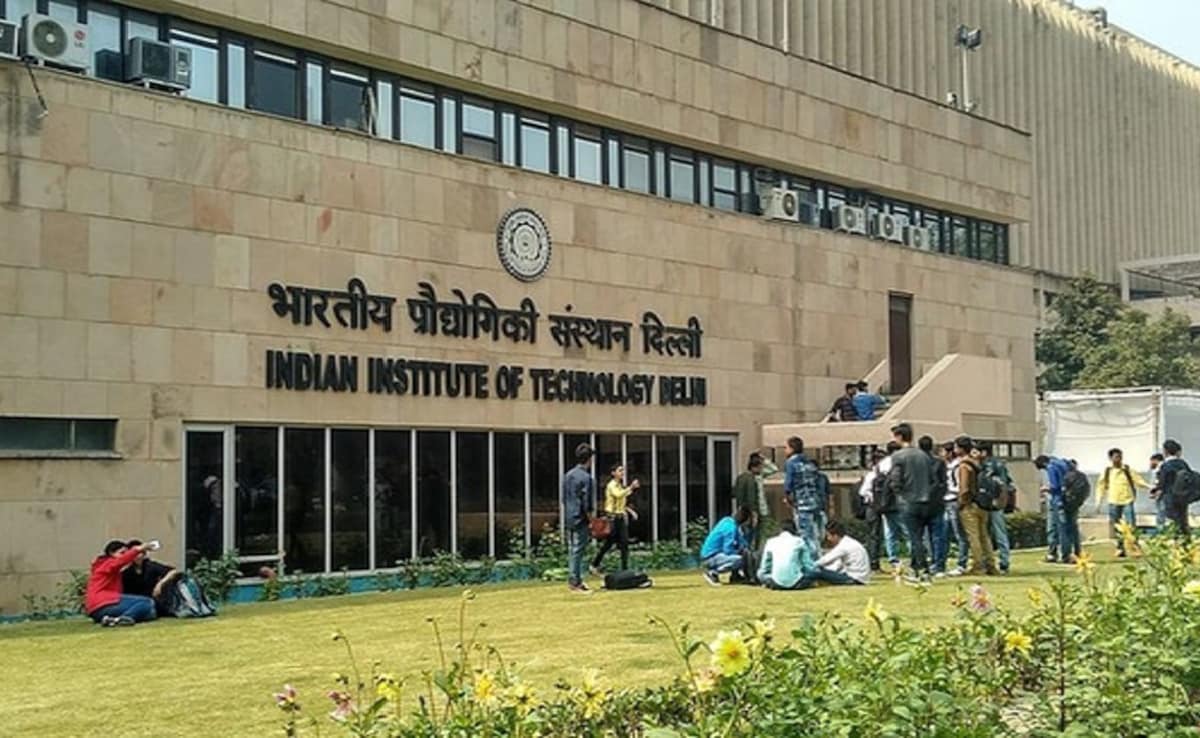
This, again, is a big deal for India and, within that, to two States in particular. According to the latest data, pertaining to 2023-24, India accounted for the largest share of international students in the U.S., having sent about 3.3 lakh students that year. Further, according to the U.S. consular officials, Telangana and Andhra Pradesh accounted for 50% of the students that India sent to the U.S.
Apart from this, a separate proposal that is set to come into effect in February 2027 would see tighter rules around the OPT system, including changes to the two-year STEM OPT extension and Curricular Practical Training (CPT) system. These are two two highly popular paths through which Indian students get U.S. work experience after they are done with their degrees.

Are there any other changes on the cards?
A final rule change could increase the paperwork and tension for spouses of H-1B workers who are in the U.S. under the H-4 visa programme. So far, these people could stay and work in the U.S. under the Employment Authorisation Documents (EADs) system, with extensions to this period of stay being granted automatically.
Now, a new change expected this month will see these automatic extensions being stopped. Those holding such visas can of course apply for an extension, but if their renewal is delayed for whatever reason, they could lose their work permit.
Published – July 11, 2026 09:52 am IST