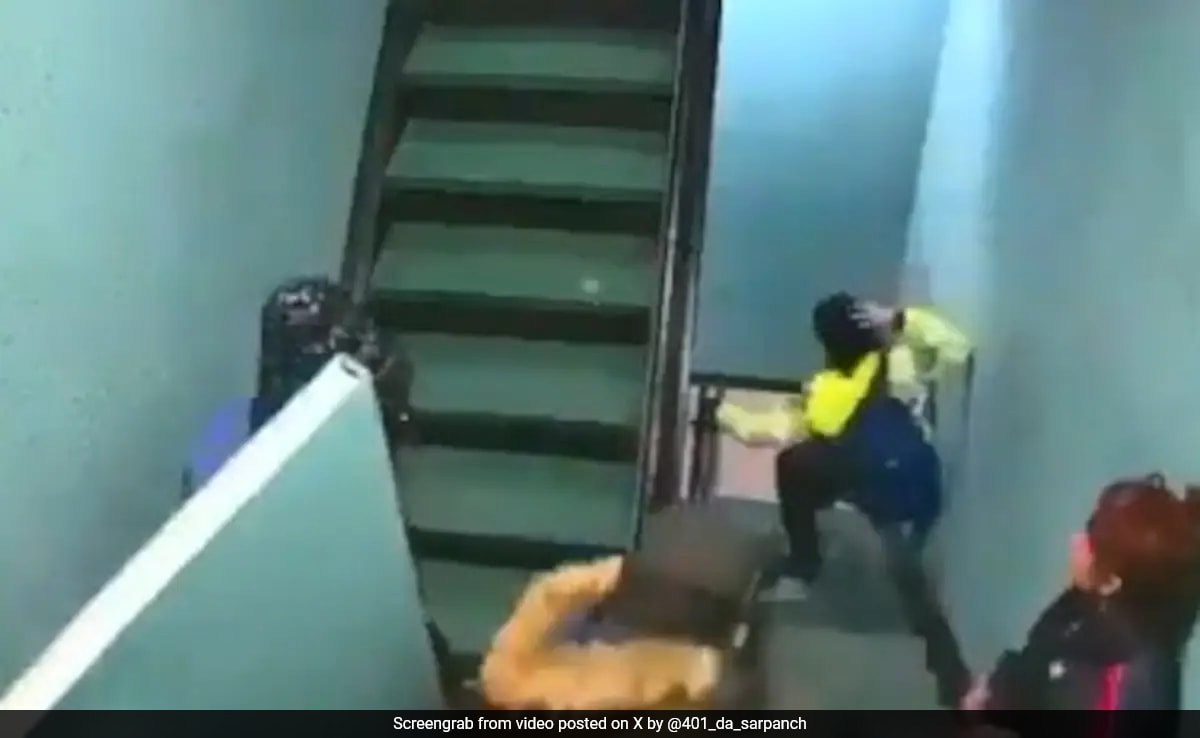



The killing of 28 people in sudden, apparently uncontrolled violence in an overcrowded prison outside Colombo, on Monday, speaks to a culture of mismanagement and official apathy. Reports of tensions inside the premises emerged on Sunday, with two inmates reported dead initially. Authorities deployed the military around the prison soon after, but the violence escalated on Monday, leaving more than two dozen dead and over 100 injured. Monday’s riots followed a group of inmates tipping off officials on an alleged drug operation on the prison premises. Some inmates reportedly grabbed arms from the guards, while others assaulted rival gang members with clubs and stones, even as guards struggled to contain the violence; eight guards were among those dead. Authorities have transferred hundreds of remaining inmates to other prisons. The incident, one of the deadliest prison riots in Sri Lanka, foregrounds two key challenges facing the Anura Kumara Dissanayake administration — the narcotics menace that it has resolved to wipe out, and the chronic overcrowding in prisons, a concern that rights defenders have repeatedly highlighted for years.
In 2020, the Human Rights Commission of Sri Lanka found prison conditions to be dire, owing to overcrowding and under-resourcing. As of December 31, 2024, the country’s prisons housed 28,278 inmates against an approved capacity of 10,395, operating at nearly thrice their capacity, according to the 2024 Auditor General’s Report. Authorities have linked the immediate trigger for the riots to the drug underworld, which the Dissanayake administration has been trying to crack down on. Justice Minister Harshana Nanayakkara has rightly noted that regardless of the attackers’ motivations or the crimes they are accused of, the death of people in state custody is “deeply shocking”, and that the government accepts responsibility. The Cabinet has appointed a three-member committee headed by a retired Supreme Court judge to carry out a thorough investigation. The government’s response and seeming willingness to probe the causes for the deadly incident, are welcome and necessary. It is the third after the 2012 Welikada prison riots, where 27 inmates were shot dead by police, and the 2020 riots in Mahara, near Colombo, which claimed 11 lives. The pace of the probe and the government’s response will reveal its intent to address long-pending concerns around the country’s prisons. It must work towards improving prison conditions, living standards, and security, to prevent further clashes. Meanwhile, authorities must persist with the efforts to disable drug networks that pose a grave threat to society, including within prisons.
Published – July 09, 2026 12:10 am IST