

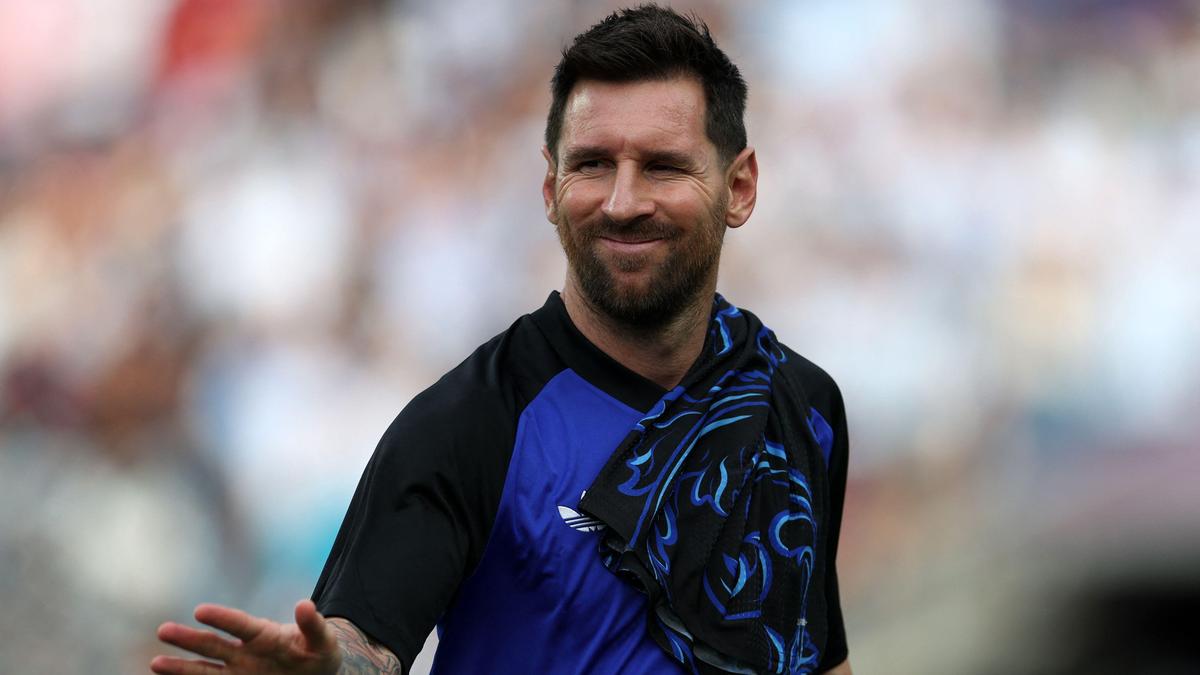
Lionel Messi-led Argentina will begin its FIFA World Cup defence against Algeria in Group J. Austria and debutant Jordan complete the group. Cristiano Ronaldo’s Portugal is placed in Group K along with Colombia, DR Congo and Uzbekistan. Perennial underachiever England under Harry Kane finds itself in a tricky Group L also featuring Croatia, Ghana and Panama.
Group J (Argentina, Austria, Algeria, Jordan)
No nation has successfully defended the FIFA World Cup since Brazil’s immortal side of 1962. Sixty-four years later, Argentina arrives in North America with a chance to break that jinx and etch its name alongside football’s most enduring dynasties.
Lionel Scaloni’s men topped CONMEBOL qualifying to secure their place at the global showpiece. More importantly, they bring continuity, with as many as 17 members of the squad that conquered Qatar being picked. On paper, they possess one of the tournament’s most complete squads —balanced, battle-tested, and brimming with quality.
Yet history has shown that defending a crown is often harder than winning it. Questions linger over whether Argentina can summon the same edge and hunger that drove it to glory four years ago.
Scaloni has already cemented his place in Argentine football folklore, becoming the first coach to deliver both the World Cup (2022) and the Copa America (2021 and 2024). But La Albiceleste’s destiny may ultimately rest with the other Lionel. At 38, Messi remains the heartbeat of the team — his presence alone can change the complexion of a match, and the hopes of a football-mad nation rest on his shoulders.
Its rivals are anything but supporting actors. Austria returns to football’s grandest stage for the first time since 1998. Under Ralf Rangnick, the Austrians have become one of Europe’s most relentless sides, capable of overwhelming even elite opponents with their pressing and organisation. Having guided them to the round of 16 at Euro 2024, Rangnick will believe another knockout appearance is well within reach.
Algeria arrives armed with flair, pace, and devastating efficiency in transition. Mohamed Amoura announced himself during qualifying with 10 goals — more than any African player — and the 26-year-old will spearhead its bid to upset the established order alongside captain Riyad Mahrez.
While debutants are often dismissed as outsiders, Jordan has earned its place on merit, scoring a national record 32 goals during qualification and remaining unbeaten away from home. Unburdened by expectation, it could prove far more dangerous than its inexperience suggests.
Best finish: Argentina: Champion (1978, 1986, 2022); Austria: Third place (1954); Algeria: Round of 16 (2014); Jordan: Debutant.
Group K (Portugal, Colombia, DR Congo, Uzbekistan)
The World Cup has always been a stage where individual brilliance collides with collective ambition, and Group K offers a compelling snapshot of that eternal tension.
Portugal arrives armed with experience, depth and no shortage of star power under Roberto Martinez. Built around possession control and creative dominance through central areas, Os Navegadores will expect nothing less than the top spot.
Ronaldo has one final chance to win the biggest prize in world football.
| Photo Credit:
REUTERS
Yet the spotlight inevitably falls on Ronaldo, set to make a record sixth World Cup appearance just like Messi. At 41, his role may be more measured than before, but his influence remains immense. Defenders are still drawn to him, spaces still open around him, and every touch still carries the weight of history.
Four years after Messi completed football’s ultimate quest, Ronaldo steps onto the grandest stage once more with perhaps one final chance to do the same.
Colombia, meanwhile, brings South American flair and unpredictability after finishing third in CONMEBOL qualifying with 28 points from 18 matches. Los Cafeteros are packed with technically gifted midfielders and explosive wide attackers, thriving in a style that often feels chaotic but is undeniably creative.
For neutrals, they promise entertainment; for opponents, a difficult puzzle. While capable of carving open defences with ease, their adventurous approach can leave them vulnerable in transition.
For DR Congo, this tournament marks the end of a 52-year wait — its only previous appearance came in 1974, when it competed as Zaire. Under Sebastien Desabre, it has developed a clear identity built on athleticism, aggressive pressing and set-piece threat. Les Leopards relish physical battles and seek to punish opponents through quick transitions, though maintaining tactical discipline against elite opposition will be crucial.
Uzbekistan enters uncharted territory with its maiden World Cup appearance. Coached by Fabio Cannavaro, the side reflects its head coach’s philosophy: organised, disciplined and difficult to break down. In a group filled with bigger names, it could emerge as the dark horse, turning tight contests into a pathway toward the knockouts.
Best finish: Portugal: Third place (1966); Colombia: Quarterfinals (2014); DR Congo: Group Stage (1974); Uzbekistan: Debutant.
Group L (England, Croatia, Ghana and Panama)
Desperate to finally end a cycle of hope followed by heartbreak, England turned to Thomas Tuchel with one mission: bring an end to 60 years of tournament agony.
The early signs were emphatically positive. England stormed through qualifying with eight wins from eight, conceding no goals and becoming the first UEFA nation to secure its place at the 2026 edition. The mood, however, has cooled slightly. A 1-1 draw with Uruguay, a 1-0 defeat to Japan and a laboured 1-0 win over New Zealand have tempered expectations.

Harry Kane hold crucial to England’s fortunes.
| Photo Credit:
AFP
This England side is comfortable controlling matches, dictating tempo and patiently probing for openings before accelerating with purpose.
Yet for all its possession and structure, it still leans heavily on individual brilliance to unlock stubborn opponents. Tuchel’s blueprint is clear: defensive solidity as the foundation, elite attacking talent as the difference-maker — a philosophy built for tournament football, where fine margins separate glory from despair.
England may be the favourite to top the group, but Croatia will ensure nothing comes easily.
Under Zlatko Dalic, ball retention, tempo control and positional discipline remain defining traits, allowing Croatia to navigate pressure with remarkable composure. Defensive organisation and intelligent game management make Vatreni dangerous in tight contests.
While the winless group-stage exit at Euro 2024 raised doubts, Croatia responded with an outstanding qualifying campaign, collecting 22 points from a possible 24. For a nation that finished runner-up in 2018 and third in 2022, belief in another deep run remains strong.
Since its World Cup debut in 2006, Ghana has become a familiar presence on football’s biggest stage, missing only the 2018 edition in the last two decades. The Black Stars thrive in transition, using athleticism, pace and direct running to turn open games into dangerous affairs.
Panama arrives as the disciplined outsider. Featuring the second-oldest squad at the tournament, Los Canaleros are making just their second World Cup appearance, eager to erase memories of 2018, when they lost all three group matches and conceded 11 goals. Their path to success lies in organisation, set pieces and seizing opportunities whenever they arise.
Best finish: England: Champion (1966); Croatia: Runner-up (2018); Ghana: Quarterfinals (2010); Panama: Group stage (2018).