

(This article is part of the View From India newsletter curated by The Hindu’s foreign affairs experts. To get the newsletter in your inbox every Monday, subscribe here.)
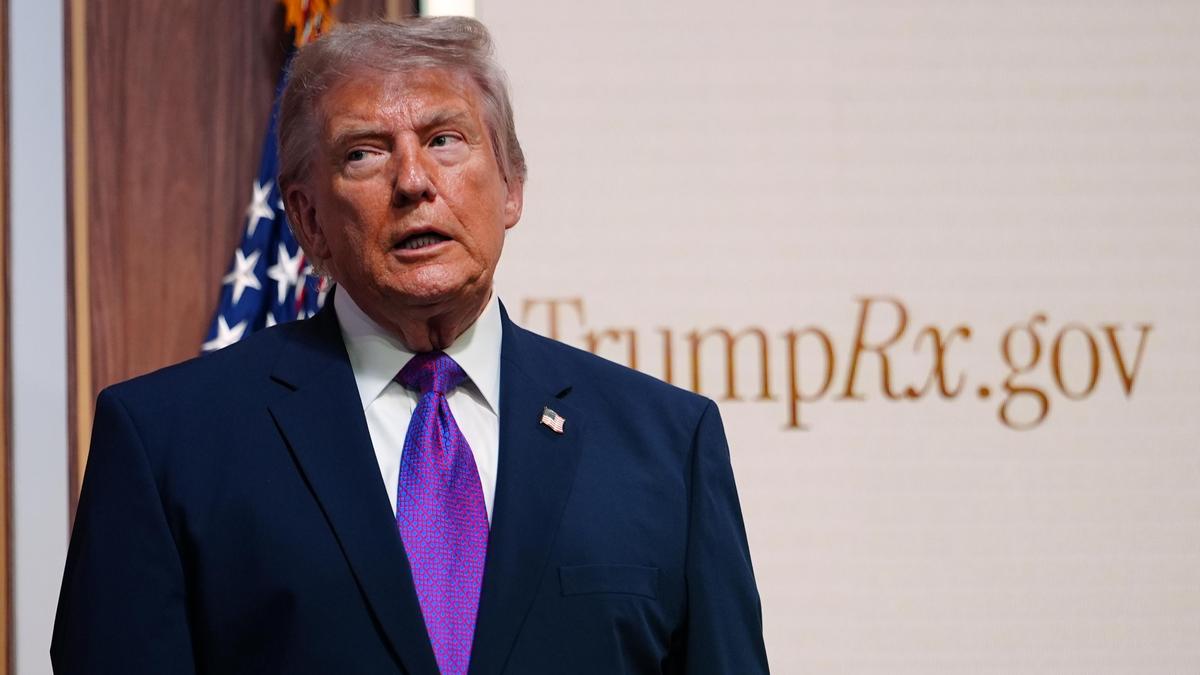
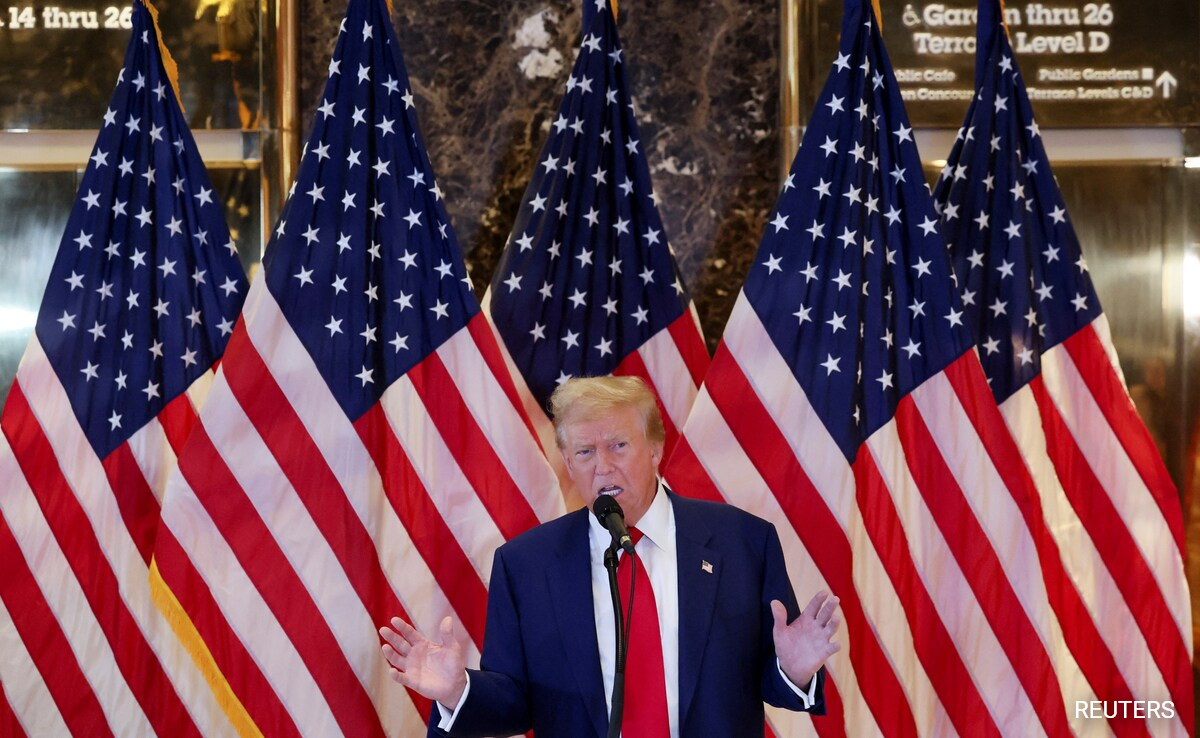
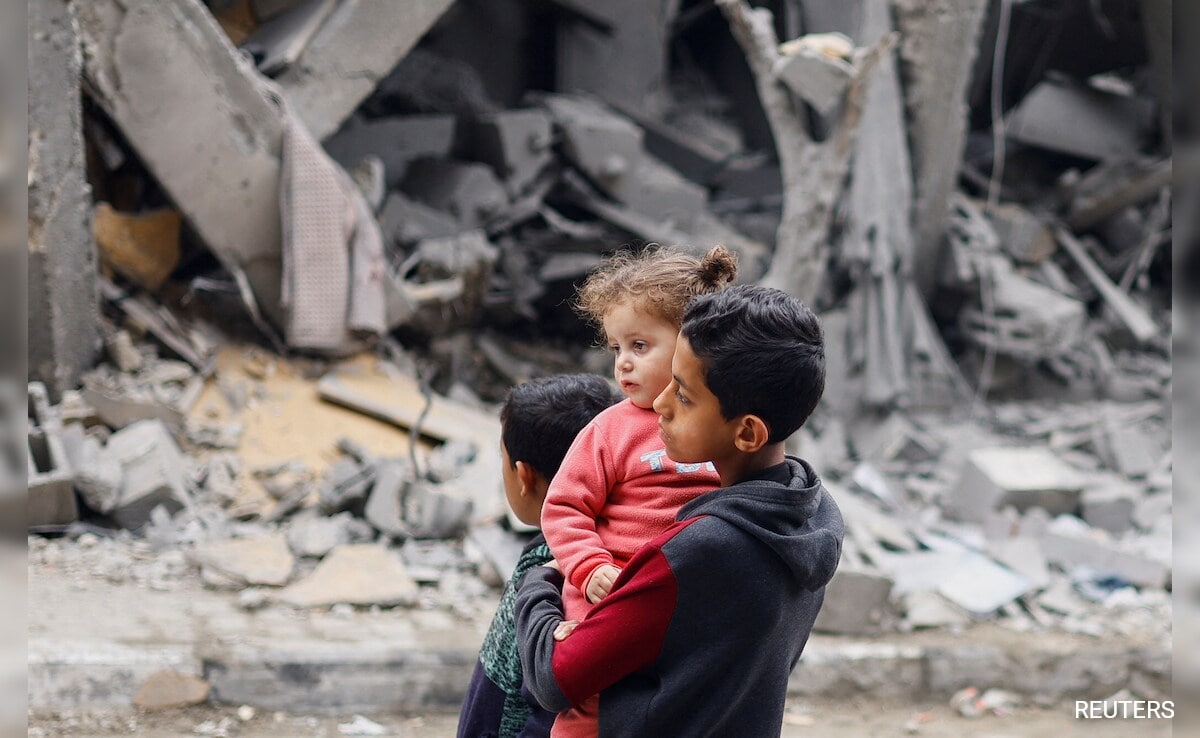
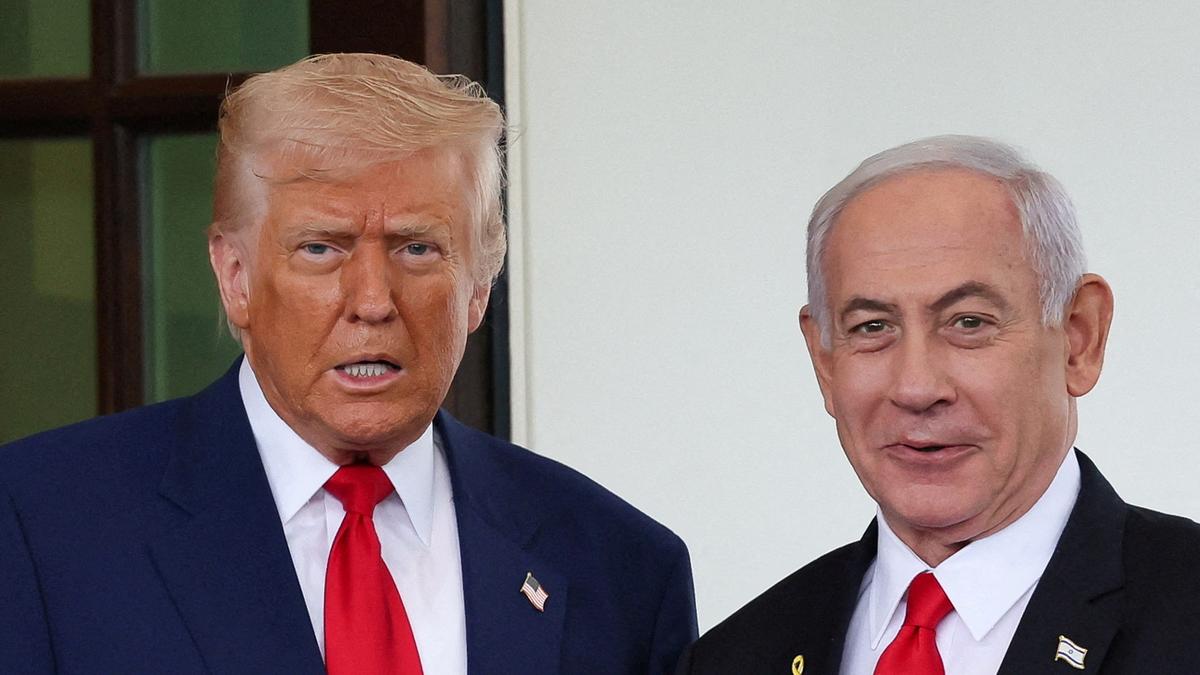
Three months after Donald Trump and Benjamin Netanyahu launched the war on Iran, Mr. Trump is still negotiating a temporary ceasefire extension and the reopening of the Strait of Hormuz in exchange for economic concessions to Tehran. A deal is yet to be reached. Considering their originally stated aims of regime change in Tehran, the dismantling of Iran’s missile and nuclear programmes and the curbing of its support for regional non-state allies as their major objectives, it is clear that this war has gone rather badly for Washington, as The Hindu’s editorial today points out.
“Mr. Trump’s military campaign has failed to achieve any of its declared objectives. By striking U.S. bases across the Persian Gulf and taking control of the Strait of Hormuz, Iran widened the conflict regionally and economically,” it noted, contending that if Mr. Trump is serious about a negotiated settlement, a deal is within reach. “But if he seeks to achieve through diplomacy what he failed to secure through war, he risks entangling the U.S. in yet another forever war,” the editorial said.
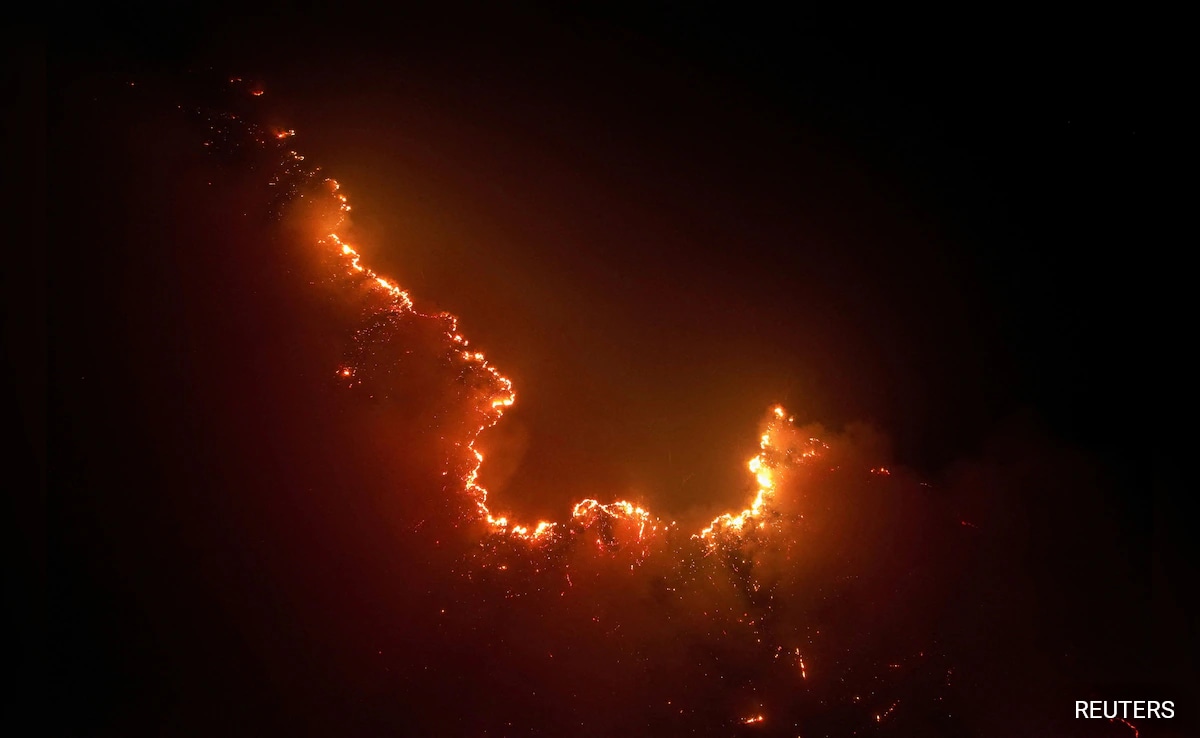
Meanwhile, the United States said on Thursday (May 28, 2026) that it had shot down five drones launched by Iran over the Strait of Hormuz and struck a ground control station in Bandar Abbas, while Iran fired ballistic missiles at an American base in Kuwait, threatening ongoing negotiations to end the war, Stanly Johny reports.
The waterway connecting the Persian Gulf to the Arabian Sea has emerged as the most consequential battleground of the U.S.-Israeli war on Iran, with Tehran effectively taking control of the route and rattling energy markets and the global economy. As the only gateway to the high seas from the Persian Gulf, the Hormuz Strait has remained one of the world’s most important waterways for centuries, writes Stanly Johny, in this timely profile of the narrow strait, 50 km wide at its entrance and exit, connecting the Persian Gulf waters to the Gulf of Oman, which joins the Arabian Sea. “One of Mr. Trump’s key demands for a deal today is that Iran should reopen the Strait of Hormuz, which was fully open before Mr. Trump and his ally Benjamin Netanyahu launched this war on February 28.”
Quad meet
26/05/2026, NEW DELHI—— (From Left) Australian Foreign Minister Penny Wong, Indian Minister of External Affairs Subrahmanyam Jaishankar, Japanese Foreign Minister Toshimitsu Motegi, and US Secretary of State Marco Rubio, attend a joint press conference following the Quad Foreign Ministers’ Meeting in New Delh, at Hyderabad House, in New Delhi.
| Photo Credit:
SUSHIL KUMAR VERMA
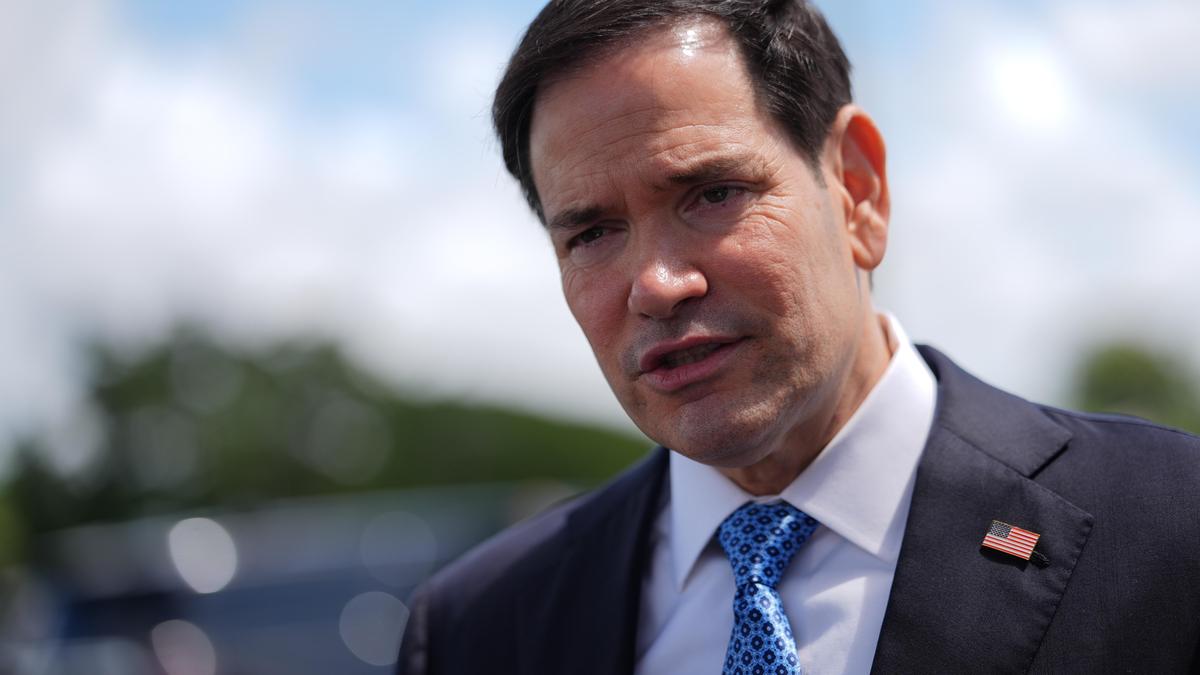
After months of anticipation, the foreign ministers of the Quad grouping met last week. However, the forum, which concluded on May 26, 2026, offered little clarity on when the next Quad Summit, to be hosted by India, will take place, Suhasini Haidar and Kallol Bhattacherjee report.
The joint statement issued after the meeting between External Affairs Minister S. Jaishankar, Australian Foreign Minister Penny Wong, Japanese Foreign Minister Toshimitsu Motegi, and U.S. Secretary of State Marco Rubio merely noted that they were “looking forward to the next Summit.”
The leaders made no direct reference to the war in Iran, the provocation by the United States and Israel or the torpedoing of an Iranian vessel in the Indian Ocean. Did U.S. Secretary of State Marco Rubio’s four-day visit to India succeed in easing tensions between Washington and New Delhi? This week on Worldview, we look at the key takeaways from Rubio’s visit, the outcomes of the Quad Foreign Ministers’ meeting, and the major discussions surrounding the ongoing war in Iran. Suhasini Haidar brings us the key takeaways in this latest episode of Worldview.
Even as the future of the grouping’s future engagement has emerged as a key concern, “The Quad could benefit from some reflection on how to ensure that the grouping moves forward in tandem on its worthy objectives, not as one that pulls in different directions,” The Hindu’s editorial observed.
Top 5 stories we are reading this week
1. Inside China’s green transition: Ningbo, in southern Zhejiang Province of China, was once a historic maritime hub shaped by Buddhist culture and trade. It has now emerged as a key hub for showcasing China’s green industrial push, where electric vehicles, advanced manufacturing, and tightly integrated supply chains are powering the country’s bid for global leadership in the technologies of the future. Ananth Krishnan reports from the port city.
2. International law, ‘optional’ for powerful States: Imperfect though it may be, the rules-based order remains humanity’s strongest defence against chaos, writes MP Shashi Tharoor
3. A journey of the heart: Forty days, some 13,000 kilometres, and 24 trains crisscrossing India – retired Sri Lankan official Saman Athaudahetti tells The Hindu about his transformative train adventure through India
4. On Ebola, India must stay alert, not alarmed: India must respond with science, preparedness, surveillance, and calm leadership, certainly not fear, stigma, or panic, writes public health expert Dr. Ishwar Gilada
5. Brinkmanship in the age of growing conflict: The growing reliance on brinkmanship threatens an already fragile global order, writes strategic analyst Arjun Subramaniam.
Published – June 01, 2026 01:13 pm IST