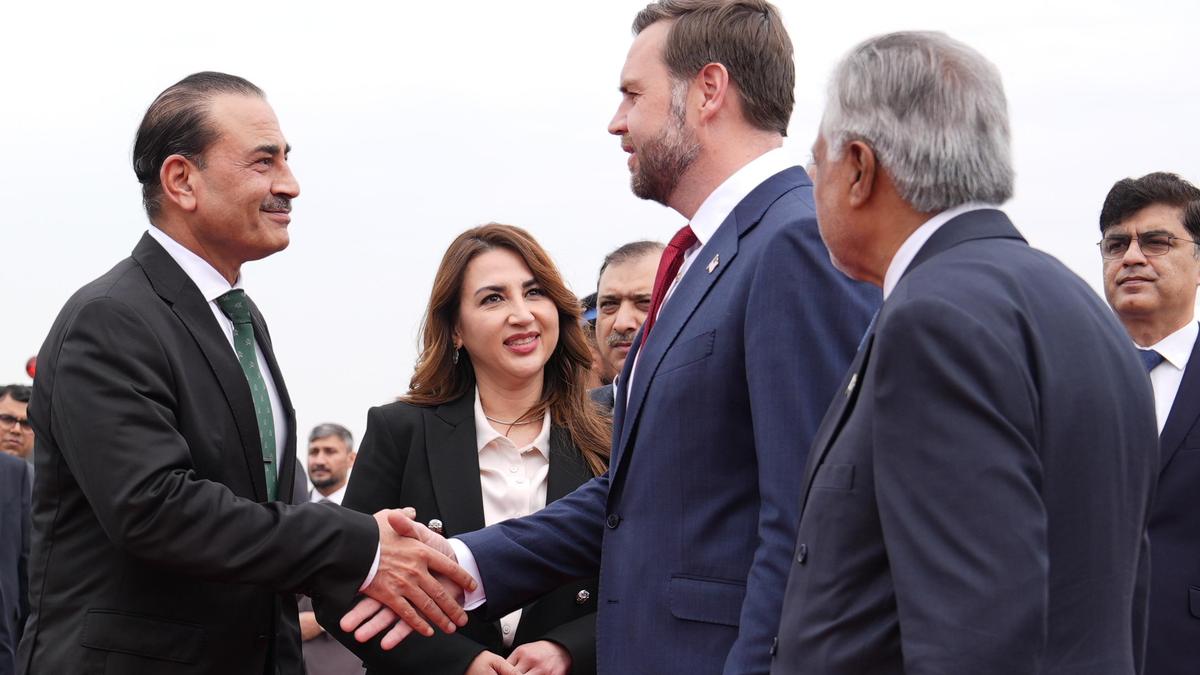

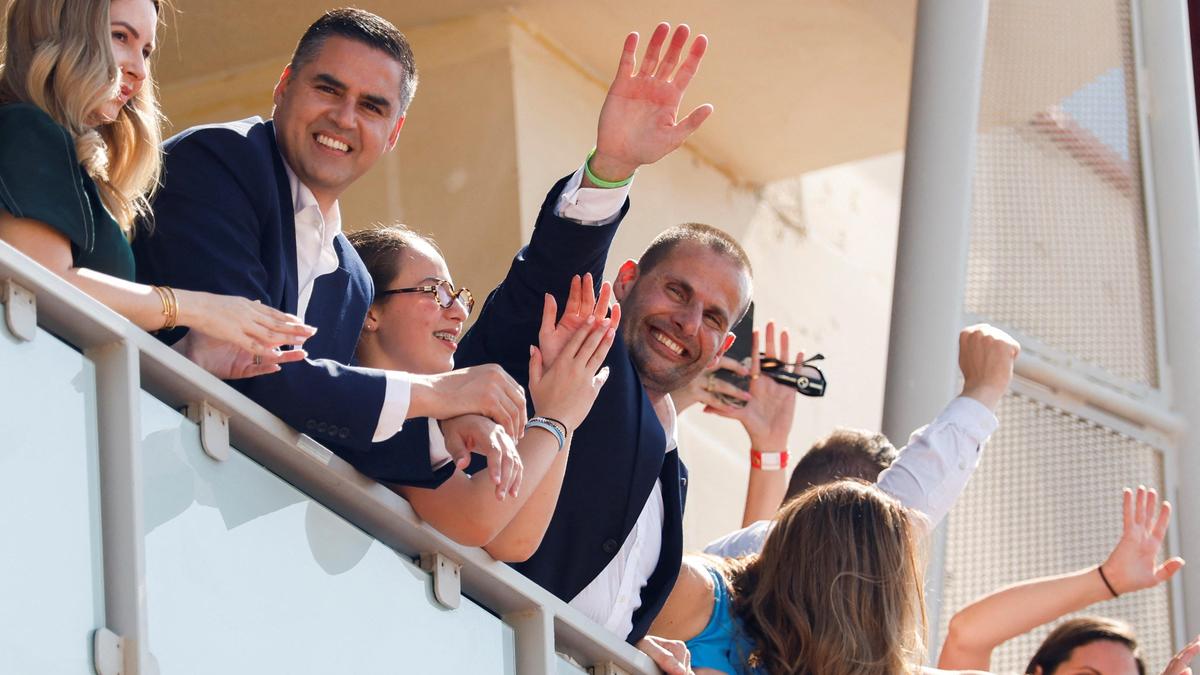
Malta’s Prime Minister and Labour Party leader Robert Abela waves to supporters after the party won a record-breaking fourth consecutive general election, at the party headquarters in Hamrun, Malta, May 31, 2026.
| Photo Credit: Reuters
Prime Minister Robert Abela’s Labour Party claimed a record fourth successive general election victory in Malta on Sunday (May 31, 2026), riding voter confidence in a strong economy, although the size of its overall majority was reduced.
“This is a victory of all the people based on the programme we presented for all the people,” Mr. Abela told reporters, saying results showed his party had “won a strong mandate”.
Conceding defeat, Opposition leader Alex Borg said his supporters had cut the winning margin to around 18,000 votes from some 39,000 at the last election in 2022.
“I know that for many, this is a disappointing day. But you should never regret believing in hope,” he said on social media.
Full results are not due until later on Sunday (May 31, 2026), but journalists following the count said Labour looked on course to win a comfortable parliamentary majority, although with less than the 55% share of ballots cast it took in 2022.
The election on the southern Mediterranean island was held on Saturday (May 30, 2026) and drew a turnout of 87.4%, slightly up on 2022.
Celebrations and car parades
As soon as the opposition Nationalist Party conceded defeat, cheers erupted from Labour supporters at the Naxxar counting complex, with many holding up four fingers to mark the historic fourth straight victory.
Supporters later celebrated at party headquarters and held traditional car parades in the European Union’s smallest state which has a population of about 5,50,000.
Mr. Abela called the snap election a year ahead of schedule, citing the challenges from an uncertain international situation.
Malta’s economy is among the best performers in Europe, growing 4% last year, with no real unemployment. However, the conflict in West Asia has raised concern in Malta as elsewhere of a possible spike in inflation.
As a country reliant on imports and tourism, it is particularly vulnerable to the impact of higher oil prices and of costly aviation fuel.
For much of the legislature, the Nationalist Party appeared divided. Mr. Borg became leader only months before the election, leaving him little time to consolidate authority or craft a fully coherent alternative vision.
Six political parties were on the ballot, but Labour and the Nationalist Party have been the only ones to make it to parliament since 1966, with smaller parties garnering less than 5% of the vote – the threshold to win a seat.
Mr. Abela, who succeeded Joseph Muscat as Labour leader in 2020, will be sworn in on Monday (June 1, 2026).
Published – May 31, 2026 10:27 pm IST