




For Mahalakshmi R., who has been riding a bike taxi for nearly two years, every increase in fuel and food prices directly cuts into her daily earnings. What was once enough for three modest meals a day is no longer sufficient. “I earn an average of ₹700 to ₹1,000 each day, depending on the number of rides. I spend around ₹200 on fuel for my vehicle. Earlier I could manage food expenses within ₹250 a day. Now I skip meals because the prices of everything have gone up. Even idlis cost much more now,” she says, as she waits for the next ride request.
As fuel costs climb and food becomes increasingly unaffordable, fresh concerns over a possible return to large-scale work-from-home arrangements have added another layer of uncertainty for drivers like her, whose livelihoods depend entirely on people commuting to office each day.
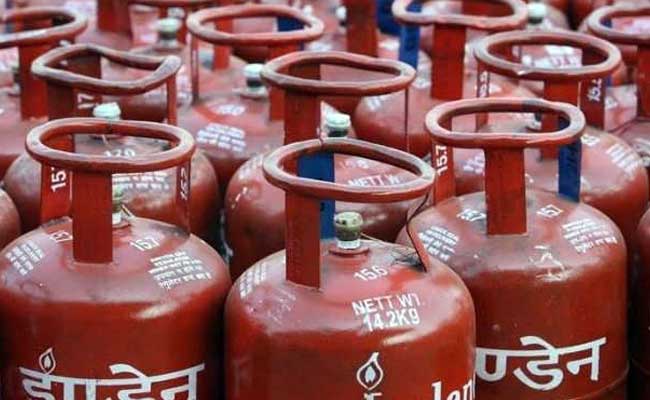
From Chennai to the southernmost districts of Tamil Nadu, rising food prices are steadily tightening household budgets, with restaurants and eateries quietly revising menu rates upward every few weeks. The burden on the public has intensified further with hikes in fuel prices — thrice in 10 days. On Saturday (May 23), the Union government increased the prices (petrol: ₹105.31 and diesel: ₹96.98 in Chennai). This increase came after a hike of ₹3 on May 15 and 90 paise on May 19. The availability of LPG cylinders continues to remain a concern, with several consumers reporting delivery delays stretching up to two weeks in certain cases.
Takeaway troubles
From middle-class families and bachelors to hostel students and information technology professionals dependent on daily takeaways, people across Tamil Nadu say the cost of putting food on the table has risen sharply, even as incomes and salaries have largely remained stagnant.
“Ever since the LPG supply crisis began, small restaurants and roadside eateries have been among the worst affected. Larger food chains with multiple outlets across the State were able to manage the situation better owing to their scale and supply networks. However, these major brands were also the first to increase food prices and reduce portion sizes. Smaller eateries have followed suit only in the past two weeks,” said a food consultant.
In Triplicane, a Chennai neighbourhood with a large number of men’s mansions housing job seekers and migrant workers, residents say their daily food expenses have increased by ₹50 to ₹125 in recent weeks. Many who moved to the city in search of employment say affordable food was one of the reasons they chose to stay in mansions despite their cramped living conditions. “We stay in mansions because it helps us cut down on room rent and manage our expenses better. But eating has now become more expensive than lodging,” said Rajavel, a resident of a mansion in the locality. Men living in mansions across the State face the same crisis.
Young professionals and Gen Z employees working in the IT sector say rising travel and food expenses are beginning to strain their monthly budgets. Archana, a software professional employed at a small IT firm along Chennai’s Old Mahabalipuram Road (OMR), said recent workplace changes added to her financial burden. “After Prime Minister Narendra Modi’s announcement encouraging work-from-home, our company reduced its employee transport services and asked the staff members to arrange commute on their own. Now, I must bear my daily travel expenses too,” she said. According to industry experts, the State has over 10 lakh people working in the IT sector, including many from other States.
Silent surge
A cooking oil industry source said that in the past few days, the prices of cooking oils, including palm and sunflower oils, had gone up by ₹15 a litre. Amid rumours that excise duty on cooking oil imports would be increased, there has been panic buying and hoarding. “Since countries that mainly supply cooking oil to India, including Malaysia and Indonesia, have diverted their excess stocks to make biodiesel, the nation’s supplies too are likely to be hit. They too want to conserve foreign exchange by not buying crude oil. If crude prices go down, the price of palm oil too will go down,” he said. Besides homes, palm oil is mainly used in the hotel industry for cooking and making snacks.
Salem Shevapet Maligai and Shop Varthaga Nala Sangam president S.C. Natarajan said that owing to favourable seasonal rainfall, the prices of most grocery items remained stable, with only a few commodities witnessing an increase of ₹5 to ₹10 a kg. Compared with March this year, the price of ‘toor dal’ has increased from ₹125 to ₹130 a kg, while Bengal gram has risen from ₹85 to ₹90 a kg. The price of roasted gram has also gone up from ₹90 to ₹100 per kg, he added.
Firewood cost rising too
Hotels that shifted from LPG to firewood are now grappling with rising firewood cost too. With demand for ‘seemai karuvelam’ (Prosopis juliflora) increasing sharply, the prices have risen from ₹6,000 to ₹13,000 per tonne, Madurai-based wholesale trader A. Karthikeyan said, adding that his customer base had grown from 50 to 70 since the gas shortage began.
Peanut hulls, another alternative biofuel widely used by sweet shops in the region, have also become costlier following the LPG price hike. Known for generating the intense heat required for continuous boiling of sugar syrup, the fuel is commonly used in sweet-making units. M. Kannagaraj, a sweet shop owner in Madurai, said the price of a 30-kg gunny bag of peanut hulls had risen from ₹240 to ₹280. He feared the price might increase further if LPG rates continued to rise.
Rising prices of essential commodities, LPG, and fuel have been affecting the operations of parotta shops in Tiruchi’s Edamalaipatti Pudur area. Shops that once started preparing parottas from early afternoon have begun staggering cooking schedules to optimise the use of gas cylinders and firewood stoves. Residents say the impact is already visible in food prices. “Not long ago, a parotta cost ₹10. It rose to ₹15 earlier this year and now sells for ₹25. Today, buying six parottas costs more than the gravy that accompanies them,” said a resident of Edamalaipatti Pudur.
Cloud kitchens, which rely heavily on app-based food orders, are also facing mounting pressure amid the rising operational cost and shrinking profit margins. Tiruchi alone has nearly 250 cloud kitchens, and several of them are reportedly on the verge of shutting down, according to S. Sundaresan, district secretary of the Tiruchi Hotel Association. “Subscription-based meal services have been among the worst hit by the price rise because we cannot increase rates after customers have already paid their monthly fee. At best, we may have to reduce the number of deliveries or impose a surcharge on future subscriptions,” said S. Siva of Mukkani Tiruchi, a fresh-cut fruits and salads subscription service. Several women, particularly those running cloud kitchens and subscription-based food services across the State, fear that the continuing rise in the fuel and raw material costs could severely affect their already modest monthly savings and threaten the sustainability of their businesses.
Delivery workers in trouble
Food and e-commerce delivery workers say the steady rise in fuel prices is pushing them deeper into financial stress, even as their earnings remain stagnant. Many complain that while the cost of petrol continues to rise, companies have done little to offset the burden on gig workers. “There are far more delivery workers now than there were two years ago, but the number of bookings we receive has reduced sharply. Our incomes have remained the same while fuel expenses keep increasing,” said a delivery executive, expressing concern over the growing struggle to sustain daily expenses.
Many consumers say the new government must urgently intervene to regulate soaring food prices, accusing sections of the hotel industry of increasing rates at the slightest excuse while rarely reducing them when commodity prices fall. “Hotel associations are always quick to cite rising costs and hike prices, but when market prices come down, customers never see any reduction on their bills. The common man is being squeezed from all sides. Someone must step in and control these arbitrary price hikes,” they said.
Supplies stretched
An expert on LPG said that only 60%-70% of the requirement was at present bottled at the plants owing to the reduction in supplies. “There were times when bottling plants worked to fill up 120% of bookings and distributors still had backlogs. At present, the oil marketing companies (OMCs) seem to be stretching whatever supplies of LPG they have. In urban areas, though booking is allowed after 25 days as opposed to 45 days in rural areas, it takes nearly 40 days for the cylinder to reach the customer. It is the same with rural consumers.”
Distributors say they get only one load of bottles where two are needed. OMCs have been saying they have enough stock and there is no need to panic, but they are not permitting new 14.2-kg domestic connections because diversions happen rampantly. “This is mostly done by the delivery boys with the connivance of a few distributors,” said an oil industry source.
(With inputs from Sabari M. in Salem and Namakkal; Nahla Nainar and Ancy Donal Madonna in Tiruchi; P.V. Srividya in Krishnagiri and Hosur; S.P. Saravanan in Erode; Beulah Rose in Madurai; and Deepa Ramakrishnan in Chennai.)