
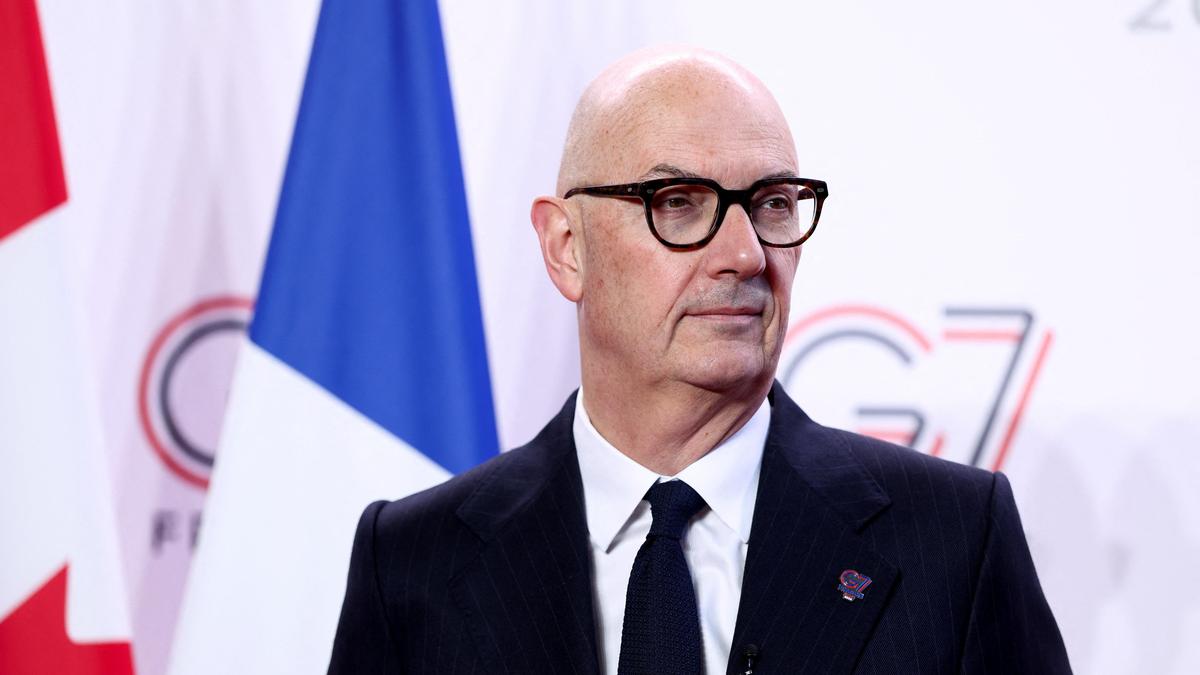
French Finance Minister Roland Lescure said on Tuesday (May 19, 2026) that G7 Finance Ministers had agreed that the International Monetary Fund (IMF) and the World Bank needed to step up efforts to aid vulnerable countries.
Mr. Lescure, who is hosting a G7 Finance Ministers’ meeting in Paris, made the comments as he arrived for the second and last day of talks.
A joint G7 statement, resulting from the meeting, is expected later on Tuesday (May 19, 2026).
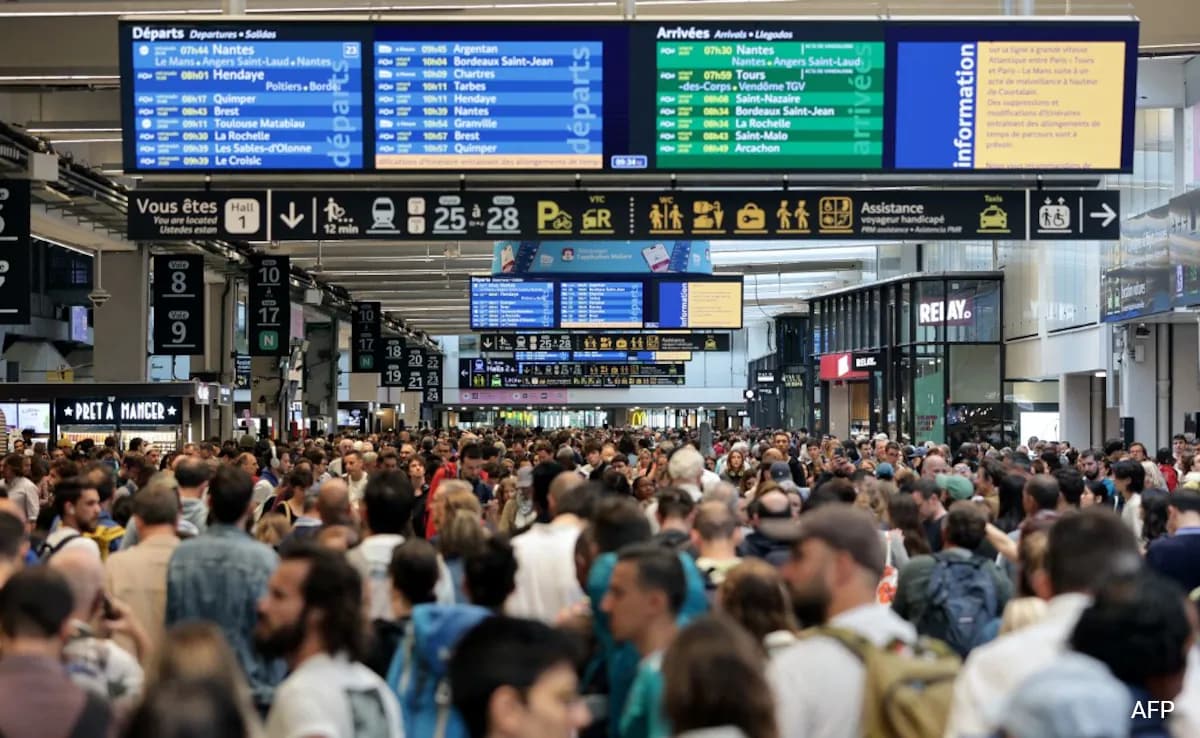
Finance Ministers and central bank governors from G7 countries met in the French capital for a second day of talks to discuss the economic fallout from the conflict and volatility on global bond markets.
They were joined on Tuesday (May 19, 2026) by representatives from other countries, including some Gulf states, Brazil and Kenya, as the seven most advanced economies look to build new partnerships amid tensions on issues ranging from the Iran war to putting pressure on Russia over Ukraine.
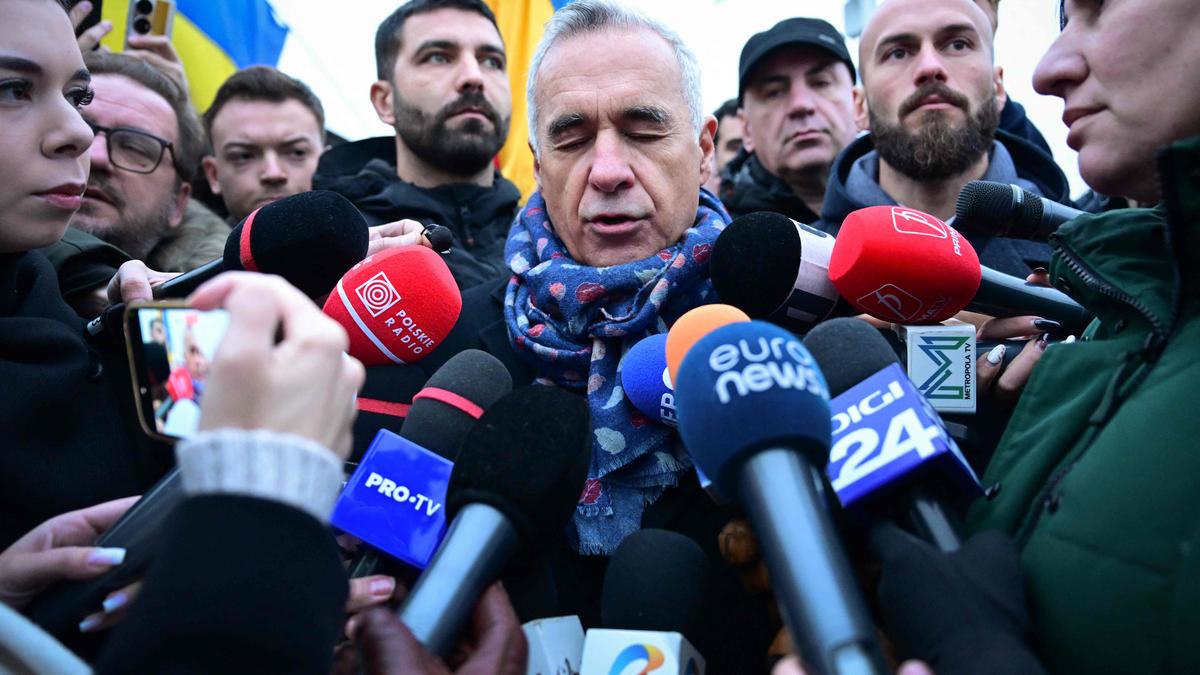
“We agree on the fact that the IMF and the World Bank have to step up their game for those countries (most vulnerable to the impact of the West Asia conflict) and make sure we help them,” French Finance Minister Roland Lescure told reporters, adding that a shortage of fertilizer would have a particular impact.
U.S. President Donald Trump said on Monday (May 18, 2026) he had paused a planned attack against Iran after Tehran sent a peace proposal to Washington, and that there was now a “very good chance” of reaching a deal limiting Iran’s nuclear programme.
But other G7 countries have expressed frustration that Washington and Israel launched strikes against Iran without considering the economic impact, and the foreseeable closure of the Strait of Hormuz, a vital waterway for energy markets.
Officials from Qatar and the United Arab Emirates were attending the meeting in Paris to discuss the crisis in the Gulf, Mr. Lescure said.
Syria and Ukraine participated in parts of the discussions, underscoring the G7’s emphasis on stabilising countries seen as central to regional and global security.
Officials from Brazil, India and South Korea were also participating, in a push to broaden international partnerships at a time when traditional alliances have been questioned.
G7 looks to respond to fragmented trade system
Mr. Lescure said participants also discussed diversifying the supply of rare earths and critical minerals, and addressing global imbalances — a theme of France’s G7 presidency.
He has stressed that global economic imbalances are fuelling trade friction and risk a turbulent unwinding in financial markets, highlighting a pattern whereby China under-consumes, the United States over-consumes and Europe under-invests.
“We see how others are changing the rules, and I have no desire for us to end up being the fools,” German Finance Minister Lars Klingbeil told reporters on Monday (May 18, 2026), calling for Europe to set local content requirements and assert its interests.
On critical minerals and rare earths, G7 governments are trying to coordinate efforts to reduce reliance on China, which dominates supply chains vital for technologies such as electric vehicles, renewable energy and defence systems.
European Economic Commissioner Valdis Dombrovskis said the G7 is making progress in raw materials partnerships, but he added it is not something that would happen overnight. “That requires time and adequate preparation.”
He also stressed the need for continued pressure on Russia after the United States announced another 30-day extension of a sanctions waiver allowing purchases of Russian seaborne oil to aid “energy-vulnerable” countries.
“From the EU point of view, we do not think that this is the time to ease pressure on Russia,” Mr. Dombrovskis told reporters on Tuesday (May 19, 2026), adding that U.S. Treasury Secretary Scott Bessent had been “reassuring” that it would only be temporary, but also noting it was the second extension of this measure.
Published – May 19, 2026 04:28 pm IST