



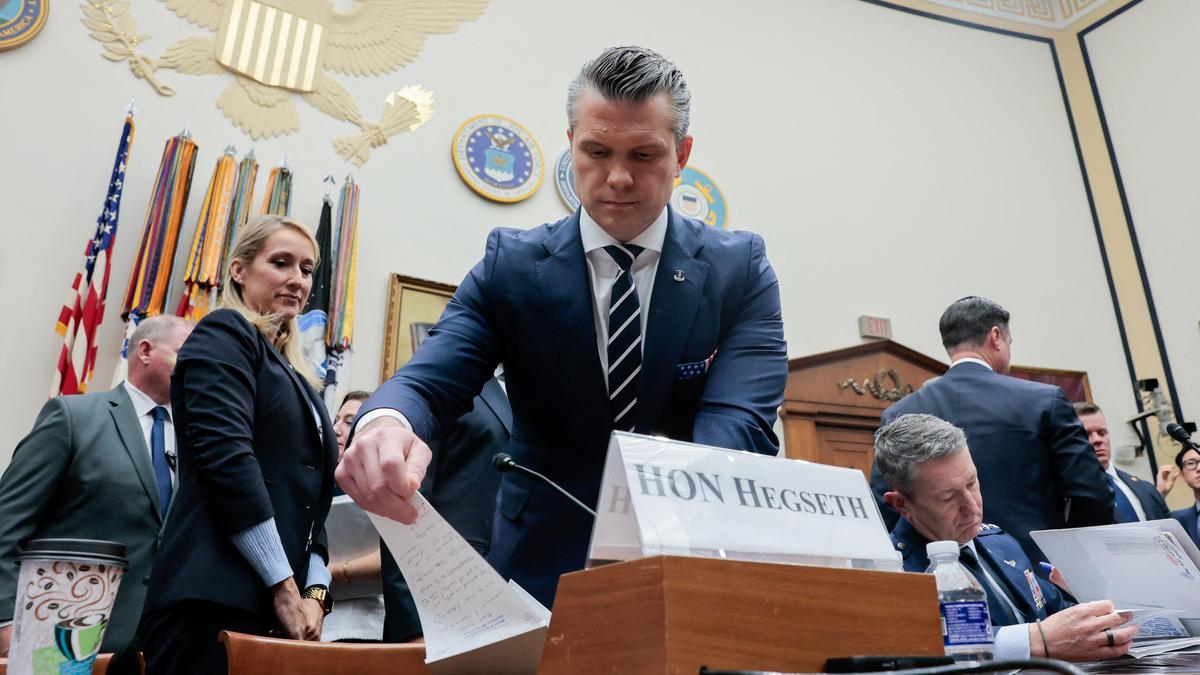
U.S. Defense Secretary Pete Hegseth arranges his notes as he gets up during a recess of a House Armed Services Committee hearing on the Department of Defense’s FY27 budget request on Capitol Hill in Washington, D.C., U.S., on April 29, 2026.
| Photo Credit:
Reuters
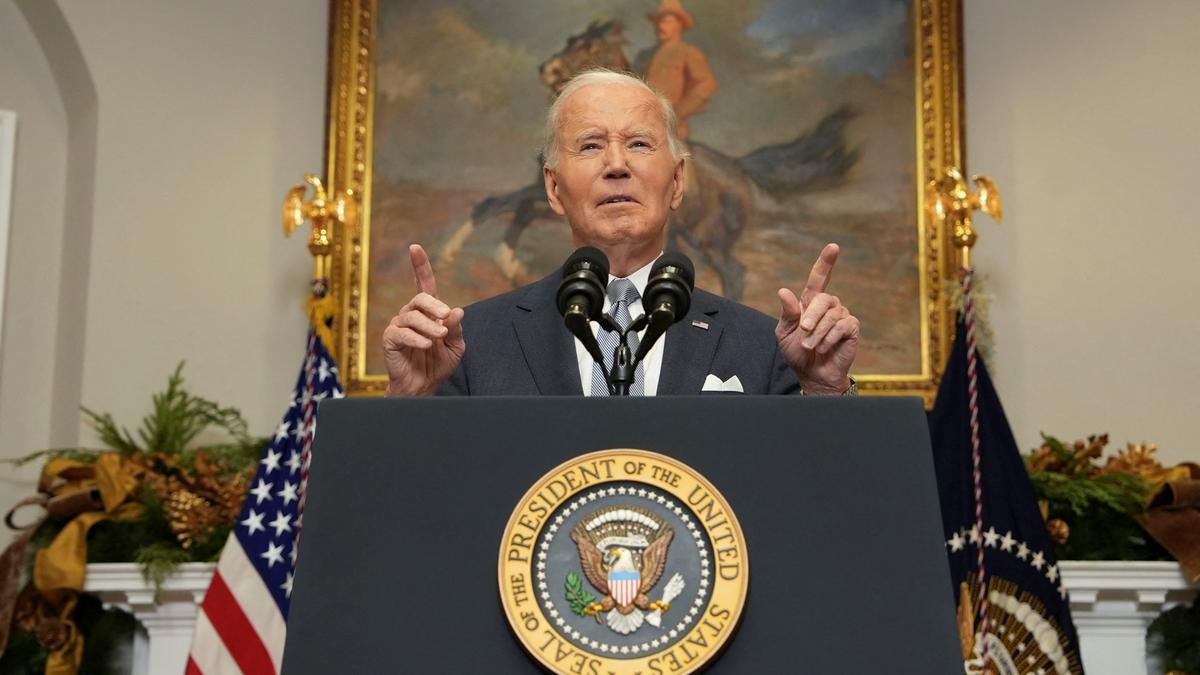
Democrats confronted Defence Secretary Pete Hegseth on Wednesday (April 29, 2026) for the first time since the Trump administration went to war with Iran, touching off tense exchanges over a costly conflict with unclear objectives that has been waged without congressional approval. The hearing before the House Armed Services Committee was focused on the administration’s 2027 military budget proposal, which would boost defence spending to a historic $1.5 trillion.
Also read: South Asian power balance shifts toward Pakistan
President Donald Trump warned Tehran on Wednesday (April 29, 2026) that it should “get smart soon” and capitulate to Washington’s demands for tight controls on its nuclear programme, as a U.S. naval blockade turned the screws on Iran’s economy. The United States could extend its naval blockade of Iran for months more, oil executives were told in a meeting with Mr. Trump, an official said, after press reports that he had rejected Iran’s latest proposed deal to reopen the Strait of Hormuz.
Also read: India accelerates maritime expansion plan amid Strait of Hormuz concerns
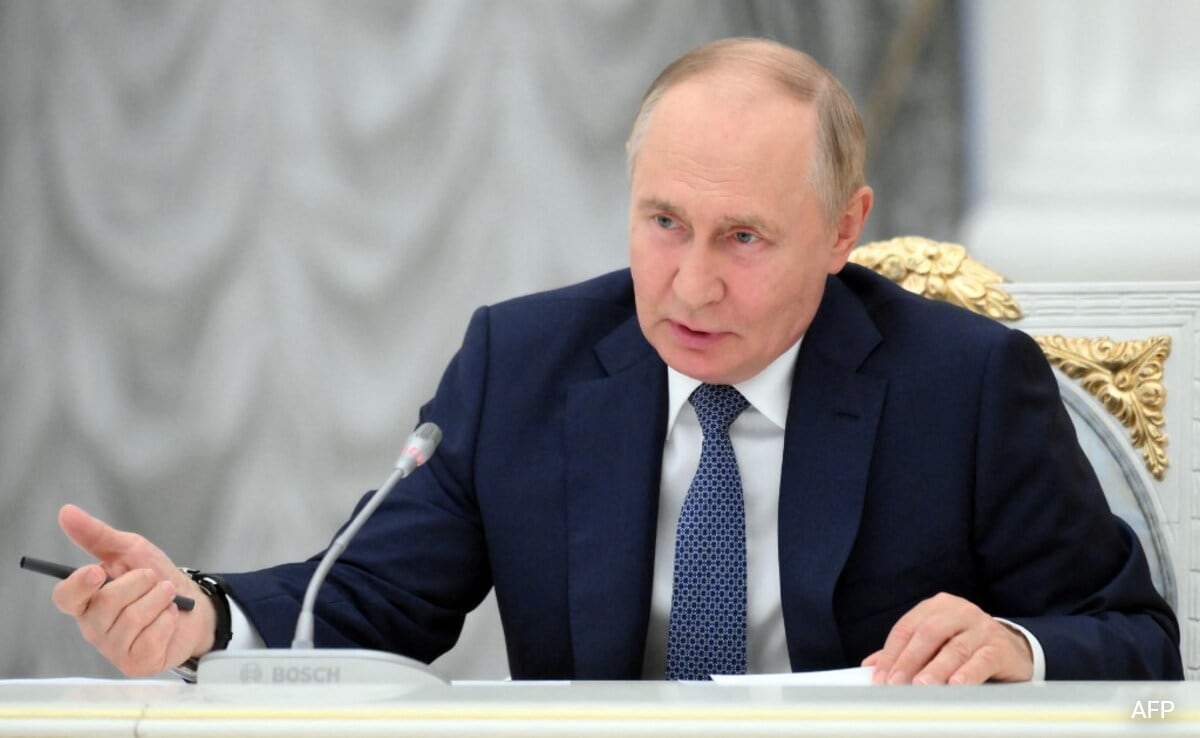
Russian President Vladimir Putin warned his U.S. counterpart against “damaging consequences” of a new military action in Iran, Kremlin aide told reporters on Wednesday (April 29) after the two leaders spoke by phone. Mr. Putin “highlighted the inevitable and extremely damaging consequences not only for Iran and its neighbours, but also for the entire international community, should the U.S. and Israel resort to military action once again,” said Kremlin aide Yuri Ushakov.
Follow here for more updates,