Skip to content
  • Facebook
  • X
  • Linkedin
  • WhatsApp
  • YouTube
  • Associate Journalism
  • About Us
  • Privacy Policy
  • 033-46046046
  • editor@artifex.news
Artifex.News

Artifex.News

Stay Connected. Stay Informed.

  • Breaking News
  • World
  • Nation
  • Sports
  • Business
  • Science
  • Entertainment
  • Lifestyle
  • Toggle search form
  • ​Ugly bout: On the show-cause notice to Vinesh Phogat
    ​Ugly bout: On the show-cause notice to Vinesh Phogat Sports
  • Access Denied
    Access Denied Nation
  • Rhinos can’t sweat, making them vulnerable to overheating
    Rhinos can’t sweat, making them vulnerable to overheating Science
  • Rebel Himachal MLA Who Joined BJP
    Rebel Himachal MLA Who Joined BJP Nation
  • Punjab National Bank Net Profit Zooms 327% To Rs 1,756 Crore, Highest In 14 Quarters
    Punjab National Bank Net Profit Zooms 327% To Rs 1,756 Crore, Highest In 14 Quarters Business
  • Tolkien, Calix, The Archer, Strong And Light and Evolvita shine
    Tolkien, Calix, The Archer, Strong And Light and Evolvita shine Sports
  • Stock markets end higher for 2nd day; metal stocks soar
    Stock markets end higher for 2nd day; metal stocks soar Business
  • Access Denied
    Access Denied Nation
The 27th amendment, Pakistan’s democratic dilemma

The 27th amendment, Pakistan’s democratic dilemma

Posted on January 30, 2026 By admin


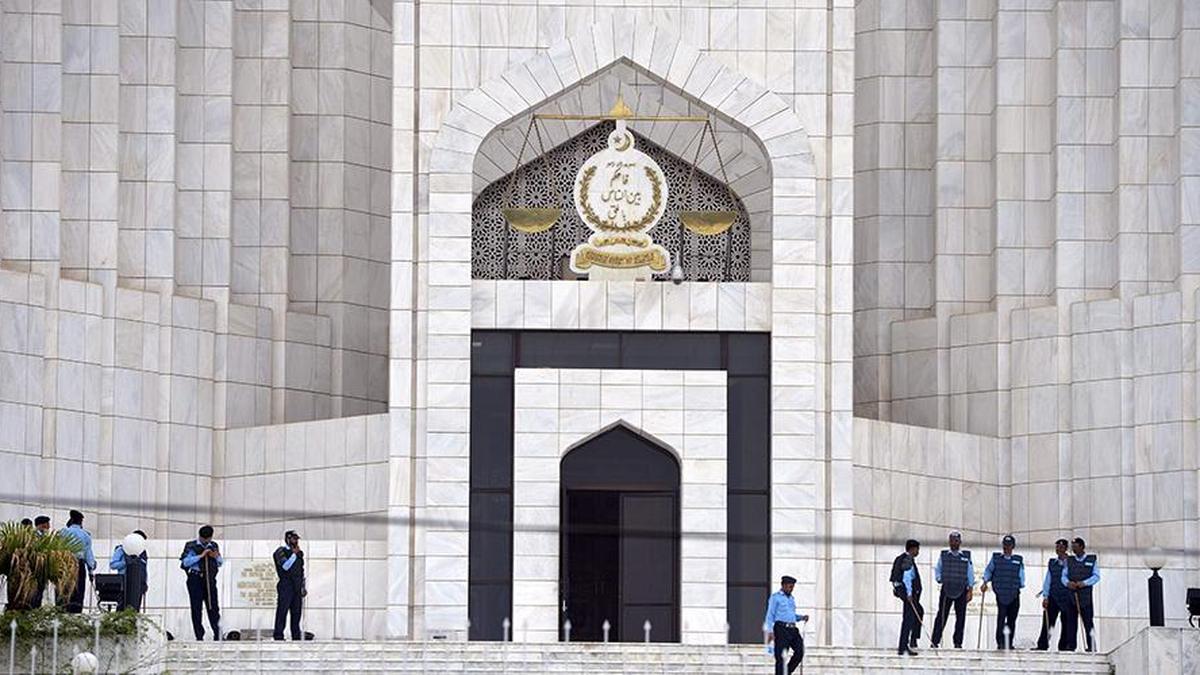
Last year, between November 12 and 13, Pakistan’s legislature passed the 27th Amendment, or PCA, which subsequently received presidential assent. Presented as a measure to reorganise aspects of the military command structure, the amendment has consequences that reach far deeper into the constitutional order. The PCA significantly diminishes the central role of the Supreme Court in Pakistan’s constitutional order. By transferring original jurisdiction over constitutional interpretation, fundamental rights and federal-provincial disputes to a newly created Federal Constitutional Court, or FCC, the amendment sidelines the Supreme Court from the most consequential questions of governance.

In recent years, it was precisely this jurisdiction that enabled the top court to adjudicate landmark political cases, including the Panama Papers case and the Memogate controversy. Stripping the top court of this authority not only fragments constitutional adjudication but also weakens its position as the final guardian of the Constitution, leaving it vulnerable to institutional marginalisation under executive influence.

Strains in the region

The passage of the PCA must be viewed against a broader regional backdrop. South Asia is navigating a period marked by political instability, security concerns and institutional strain. These pressures are not confined to national borders. For countries in the Global South, where institutions are often tested by competing imperatives of security and governance, constitutional choices carry long-term consequences.


Editorial | Power grab: On Pakistan’s General Asim Munir

For India, examining such developments in its neighbourhood is neither voyeuristic nor adversarial. As the region’s largest constitutional democracy, India has a direct interest in how constitutional norms evolve — or erode — around it. The weakening of judicial independence or the normalisation of executive dominance elsewhere in South Asia carries cautionary lessons.

At the core of constitutional governance lies what English jurist A.V. Dicey famously described as the rule of law, a doctrine premised on the absence of arbitrary power, equality before the law, and the central role of independent courts as sentinels of rights. In Dicey’s conception, the law exists to restrain authority, with courts serving as the institutional bridge between power and liberty. It is precisely this equilibrium that the PCA unsettles.

By diluting the Supreme Court’s position as the final arbiter of constitutional questions and vesting that authority in a newly-constituted FCC, the PCA risks weakening institutional independence. Courts, in Dicey’s framework, are not mere forums for adjudication but constitutional guardians tasked with keeping executive power within bounds.

The federal constitutional court question

It is in this constitutional light that Pakistan’s creation of the FCC warrants scrutiny. While specialised courts are not inherently problematic, removing constitutional adjudication from the Supreme Court unsettles a balance that was carefully restored by the 18th Constitutional Amendment. It sought to depoliticise judicial appointments by strengthening the Judicial Commission of Pakistan and also insulated the judiciary from executive dominance.

What is more troubling is the scope that it creates for executive influence over the FCC’s composition and functioning. Constitutional courts derive legitimacy from independence, not mere existence. When constitutional interpretation is shifted to a newly constituted forum that is vulnerable to executive preferences, judicial review risks becoming an extension of power.

In early 17th century England, King James I asserted that, as sovereign, he could personally adjudicate disputes. This claim was firmly resisted by Sir Edward Coke, then Chief Justice, who declared that the king was subject to the law and could not sit in judgment. Coke’s refusal to allow royal intrusion into judicial proceedings marked a defining moment in constitutional history.

This episode established a principle that continues to animate modern constitutional democracies, that is judicial authority must remain independent of executive will. Courts cannot function as neutral arbiters if they operate under the shadow of political power. The struggle between Coke and James I was not merely personal. It was foundational, affirming that the rule of law requires courts to be insulated, even from well-intentioned rulers.

Why it matters for India

The latter half of the 20th century marked the birth of new nations, as societies emerging from colonial and monarchical pasts embraced written constitutions and republican governance. Constitutional texts became instruments of restraint, designed to bind power. The 21st century, however, presents a more unsettling picture. Across regions, republics are increasingly reshaping their constitutions not to deepen democratic guarantees but to legitimise concentration of power.

The PCA reflects this troubling shift. By reconfiguring judicial authority under the shadow of executive influence, it risks transforming the Constitution from a shield into a tool of governance. In inter-war Europe of the 1930s, democratic breakdown did not occur through abrupt coups but through formally valid legal changes that steadily hollowed out institutions. Power was acquired electorally, and then consolidated by rewriting constitutional checks in the name of stability and necessity.

For India, the lesson is not one of comparison, but of caution. Constitutional democracy does not survive on text alone but on the continued independence of courts, respect for institutional boundaries, and a shared commitment to restraint. How republics treat their Constitutions today will determine whether this century is remembered for democratic renewal, or for the quiet dismantling of the spirit of constitution from within.

Vanshaj Azad is an advocate, currently working as Law Clerk-cum-Research Associate in the Supreme Court of India

Published – January 31, 2026 12:08 am IST


Source link

World Tags:27th Amendment or PCA, A.V. Dicey and rule of law, Federal Constitutional Court, Judicial Commission of Pakistan, judiciary and executive dominance, modern constitutional democracies, Pakistan’s legislature, Panama Papers case and Memogate controversy, presidential assent, region’s largest constitutional democracy

Post navigation

Previous Post: Access Denied
Next Post: Sun Pharma, CDSL, IDFC First Bank, Delhivery — Check Estimates

Related Posts

  • Man Jailed For 10 Years Over Woman’s Death At ‘Slapping Therapy’ Workshop In UK
    Man Jailed For 10 Years Over Woman’s Death At ‘Slapping Therapy’ Workshop In UK World
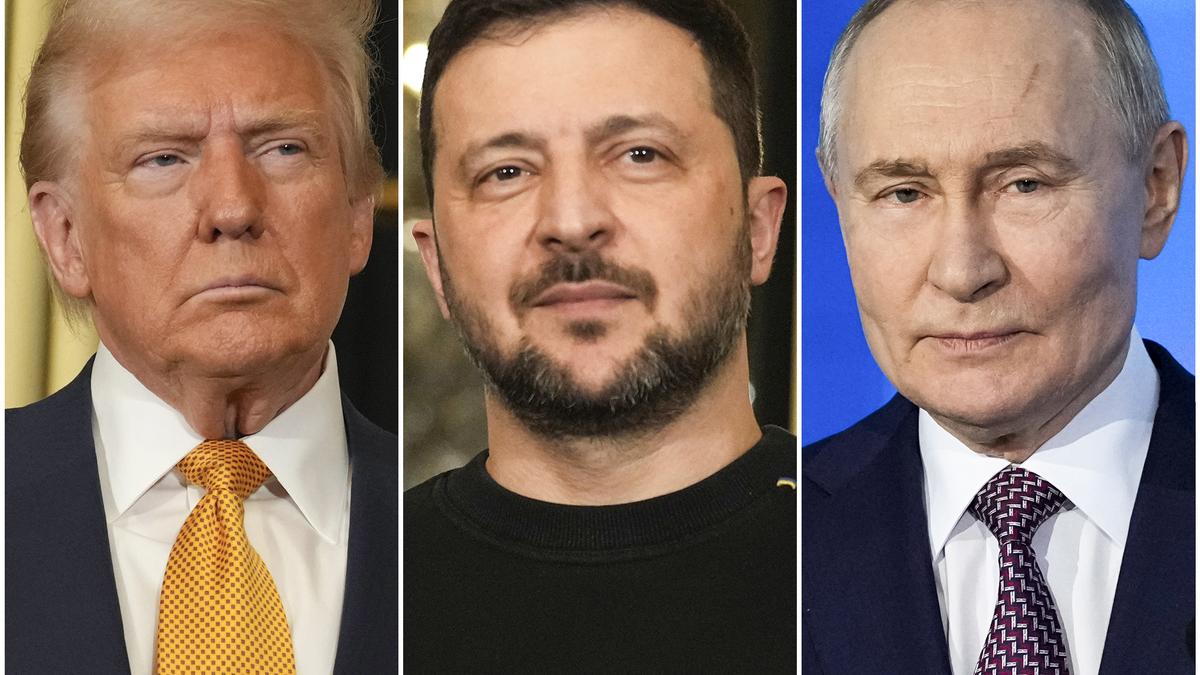
  • Russia-Ukraine conflict: Donald Trump eyes three-way meeting with Putin, Zelensky
    Russia-Ukraine conflict: Donald Trump eyes three-way meeting with Putin, Zelensky World
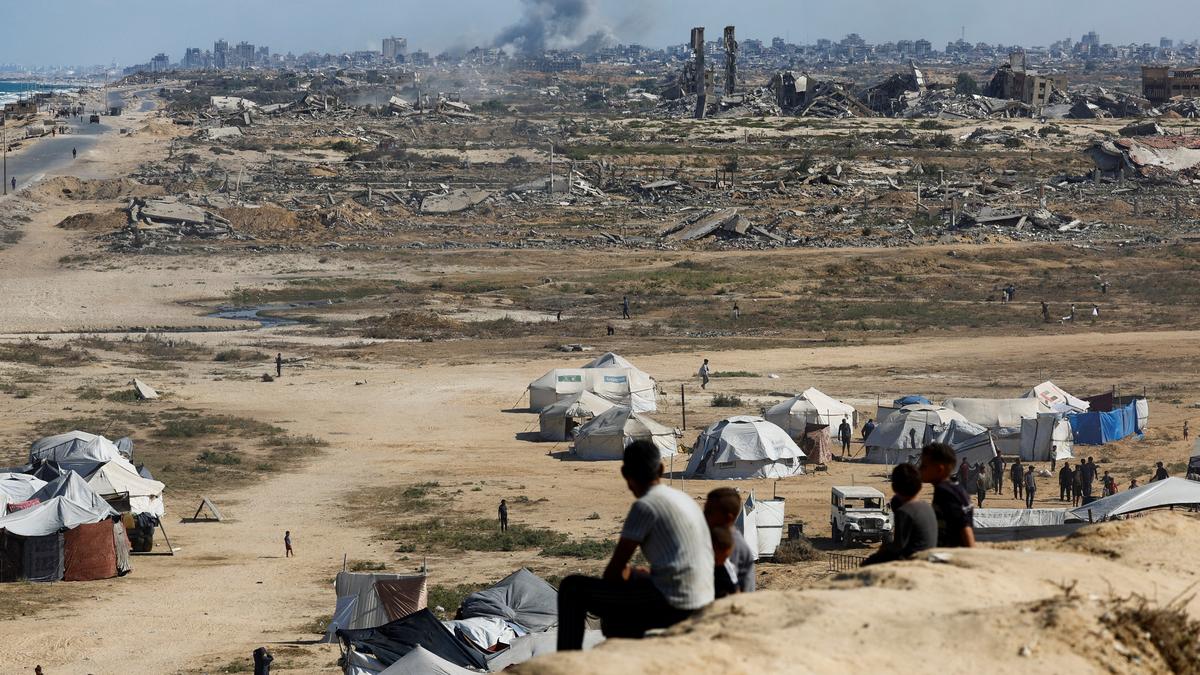
  • Israel strikes Gaza as Palestinians pin hopes on Trump’s Gaza plan
    Israel strikes Gaza as Palestinians pin hopes on Trump’s Gaza plan World
  • Ukraine drone attack forces evacuation in Russia’s Tver region, governor says
    Ukraine drone attack forces evacuation in Russia’s Tver region, governor says World
  • Massive Alligator Blocks Plane At Florida Air Force Base, Captured And Released Into River
    Massive Alligator Blocks Plane At Florida Air Force Base, Captured And Released Into River World
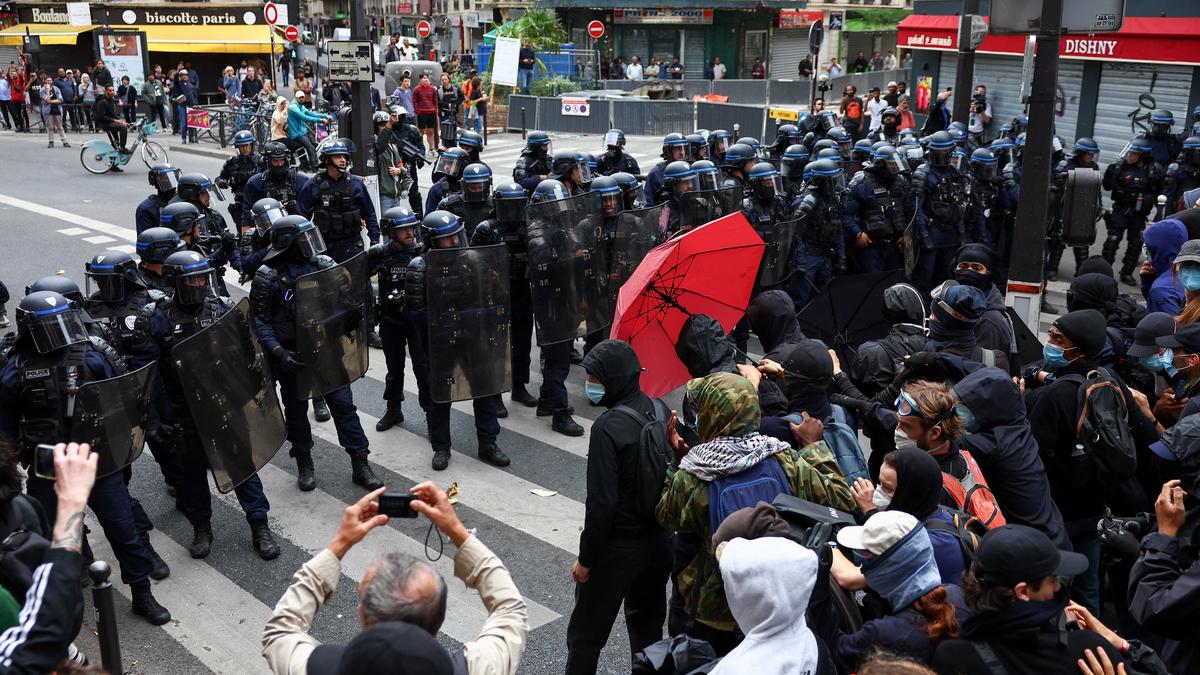
  • French protesters clash with police; roads blocked, fires set, 200 arrested
    French protesters clash with police; roads blocked, fires set, 200 arrested World

More Related Articles

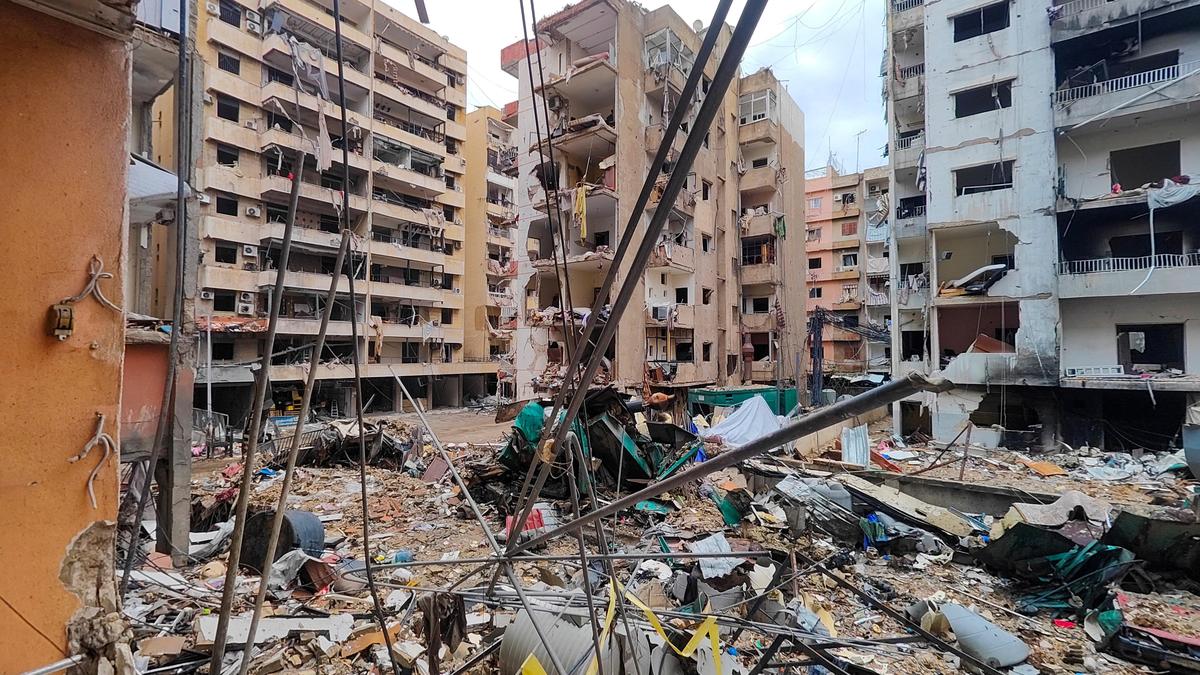
Lebanon says Israeli strikes kill five as Hezbollah claims new attacks Lebanon says Israeli strikes kill five as Hezbollah claims new attacks World
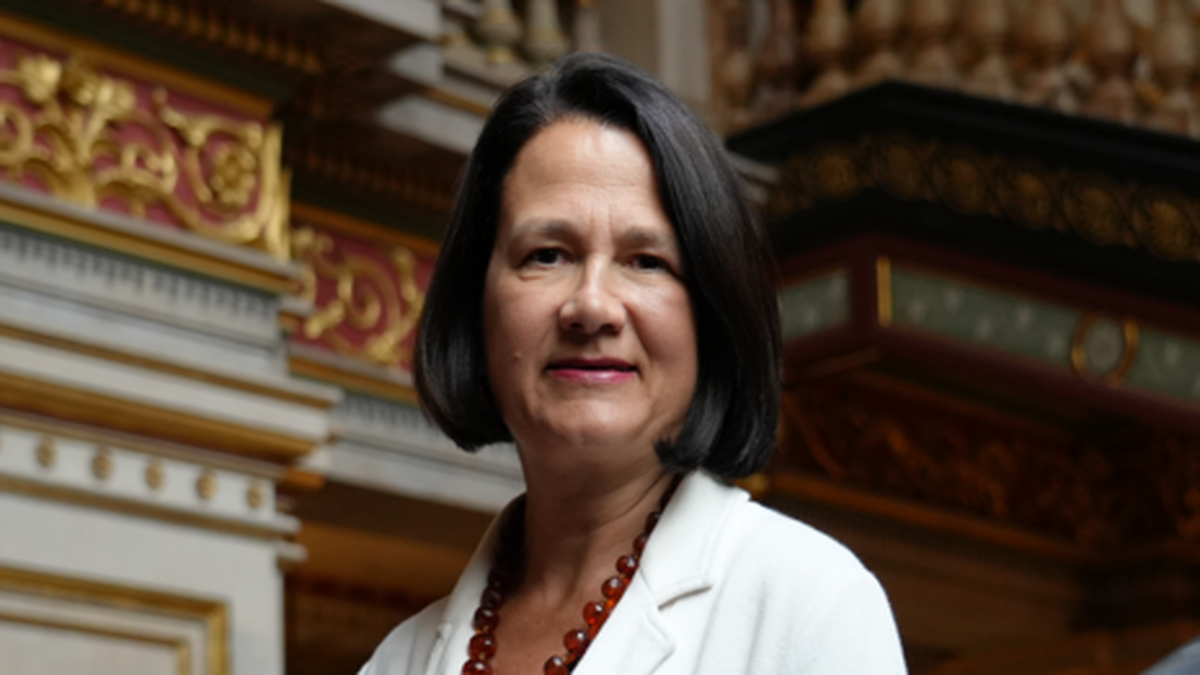
U.K. sees ‘generational mission’ in Indo-Pacific, not short term shift: U.K. Minister Catherine West U.K. sees ‘generational mission’ in Indo-Pacific, not short term shift: U.K. Minister Catherine West World
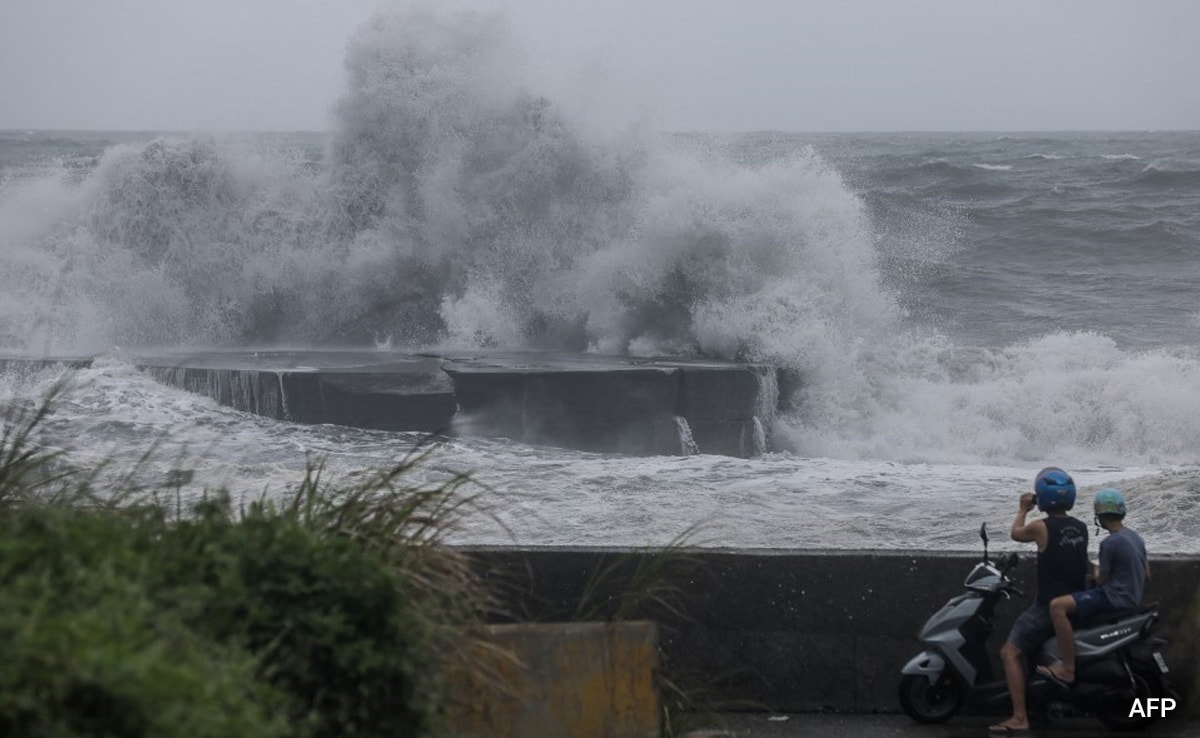
Typhoon Haikui Makes Landfall In Eastern Taiwan Typhoon Haikui Makes Landfall In Eastern Taiwan World
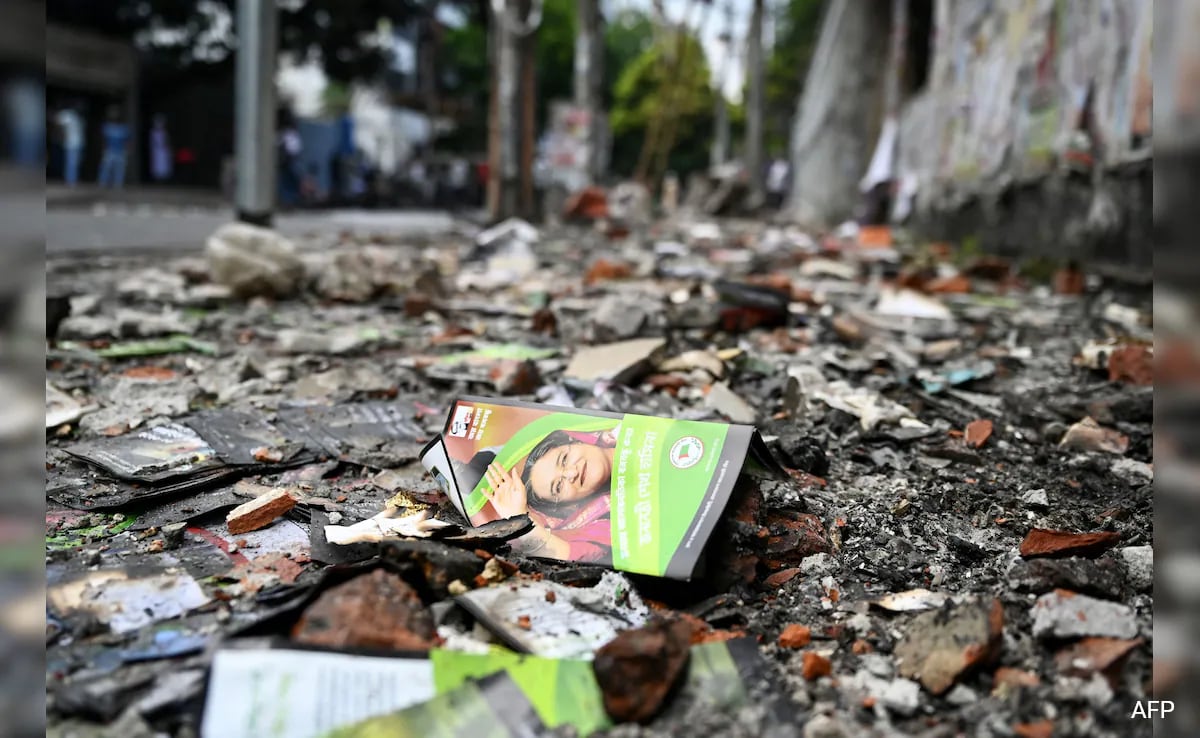
Regained Freedom After Sheikh Hasina Ouster, Bangladeshis Dream Of Better Future Regained Freedom After Sheikh Hasina Ouster, Bangladeshis Dream Of Better Future World
China’s advanced 3rd aircraft carrier begins sea trials amid South China Sea tensions China’s advanced 3rd aircraft carrier begins sea trials amid South China Sea tensions World
Uganda confirms three new Ebola cases, bringing total to five Uganda confirms three new Ebola cases, bringing total to five World
SiteLock

Archives

  • October 2026
  • September 2026
  • August 2026
  • July 2026
  • June 2026
  • May 2026
  • April 2026
  • March 2026
  • February 2026
  • January 2026
  • December 2025
  • November 2025
  • October 2025
  • September 2025
  • August 2025
  • July 2025
  • June 2025
  • May 2025
  • April 2025
  • March 2025
  • February 2025
  • January 2025
  • December 2024
  • November 2024
  • October 2024
  • September 2024
  • August 2024
  • July 2024
  • June 2024
  • May 2024
  • April 2024
  • March 2024
  • February 2024
  • January 2024
  • December 2023
  • November 2023
  • October 2023
  • September 2023
  • August 2023
  • July 2023
  • June 2023
  • May 2023
  • April 2023
  • March 2023
  • February 2023
  • January 2023
  • December 2022
  • November 2022
  • October 2022
  • September 2022
  • August 2022
  • July 2022
  • June 2022
  • May 2022

Categories

  • Business
  • Nation
  • Science
  • Sports
  • World

Recent Posts

  • Tata Trusts case: Mehil Mistry matter hearing postponed to Nov 5
  • IAS officer’s foul language against female officer during meeting goes viral online, sparks protest from J&K officers
  • Ahobilam temple photographer bags ‘Best Image of the Year’ award
  • Shooting at elementary school in Oregon leaves several hospitalised, shooter dead
  • GVMC funds not diverted to Amaravati, says Commissioner

Recent Comments

  1. Danielwhipt on UP Teacher Who Asked Students To Slap Muslim Classmate
  2. Danielwhipt on UP Teacher Who Asked Students To Slap Muslim Classmate
  3. CharlesGah on UP Teacher Who Asked Students To Slap Muslim Classmate
  4. Danielwhipt on UP Teacher Who Asked Students To Slap Muslim Classmate
  5. MerleEsozy on UP Teacher Who Asked Students To Slap Muslim Classmate
  • Biden Pulls Away From Netanyahu Embrace Over Rafah
    Biden Pulls Away From Netanyahu Embrace Over Rafah World
  • From Padma Awards To People’s Awards
    From Padma Awards To People’s Awards Nation
  • China FM Wang Yi says Hamas, Fatah agree to set up ‘reconciliation government’ in Gaza
    China FM Wang Yi says Hamas, Fatah agree to set up ‘reconciliation government’ in Gaza World
  • Nearly 2 Lakh People Affected, Death Count Rises To 15
    Nearly 2 Lakh People Affected, Death Count Rises To 15 Nation
  • Nepal flash flood washes away villages, project sites near Tibet border
    Nepal flash flood washes away villages, project sites near Tibet border World
  • England Beat West Indies By 241 Runs In Second Test, Take Unassailable 2-0 Lead In Series
    England Beat West Indies By 241 Runs In Second Test, Take Unassailable 2-0 Lead In Series Sports
  • Access Denied World
  • Kolkata marks the first India launch of Eyal Nir’s book ‘BuDo for Life’
    Kolkata marks the first India launch of Eyal Nir’s book ‘BuDo for Life’ Nation

Editor-in-Chief:
Mohammad Ariff,
MSW, MAJMC, BSW, DTL, CTS, CNM, CCR, CAL, RSL, ASOC.
editor@artifex.news

Associate Editors:
1. Zenellis R. Tuba,
zenelis@artifex.news
2. Haris Daniyel
daniyel@artifex.news

Photograher:
Rohan Das
rohan@artifex.news

Associate Journalists
1. Subrata Paul - AN/2020/01
2. Quamruz Zaman - AN/2021/22
3. Ahmed Sha - AN/2021/035
4. Ajay Kumar Shaw - AN/2021/39
5. Tahqiqul Hoda - AN/2021/21

Artifex.News offers Online Paid Internships to college students from India and Abroad. Interns will get a PRESS CARD and other online offers.
Send your CV (Subjectline: Paid Internship) to internship@artifex.news

Links:
Associate Journalism
About Us
Privacy Policy

News Links:
Breaking News
World
Nation
Sports
Business
Entertainment
Lifestyle

Registered Office:
72/A, Elliot Road, Kolkata - 700016
Tel: 033-22277777, 033-22172217
Email: office@artifex.news

Editorial Office / News Desk:
No. 13, Mezzanine Floor, Esplanade Metro Rail Station,
12 J. L. Nehru Road, Kolkata - 700069.
(Entry from Gate No. 5)
Tel: 033-46011099, 033-46046046
Email: editor@artifex.news

Copyright © 2023 Artifex.News Newsportal designed by Artifex Infotech.